
 中文简体
中文简体 English
 Français
 Español
 عربى
عربى-

(86)-0571-82550327
-

info@bfseats.com
-




What Is a Universal Replacement Forklift Seat and How to Choose One?
Content
- 1 Understanding the Universal Replacement Forklift Seat Category
- 2 Key Technical Specifications for B2B Buyers
- 3 Safety Compliance and Regulatory Standards
- 4 Material Selection and Durability
- 5 Cost Analysis for Fleet Procurement
- 6 Conclusion
- 7 Frequently Asked Questions (FAQ)
- 7.1 Will a universal replacement forklift seat fit my specific forklift model?
- 7.2 What is the difference between mechanical and air suspension forklift seats?
- 7.3 How do I know if the seat includes an operator presence switch?
- 7.4 What is the typical lifespan of a universal replacement forklift seat in heavy use?
- 8 References
Fleet managers and procurement specialists face a common challenge. The original seat in a forklift wears out, and the OEM part is expensive or discontinued. In this situation, a universal replacement forklift seat offers a practical solution. This article provides an engineer-level guide to selecting, installing, and validating these seats. We focus on technical specifications, compatibility, and long-term value for B2B buyers.
Understanding the Universal Replacement Forklift Seat Category
A universal replacement forklift seat is designed to fit multiple forklift models from different manufacturers. Unlike OEM seats, universal models use standardized mounting patterns and adjustable brackets. This approach reduces inventory complexity for large fleets. It also lowers the cost per seat without sacrificing operator comfort or safety.
For procurement, the key is to understand which specifications determine compatibility. The seat must meet industrial standards for vibration damping, durability, and operator protection. Below, we break down the technical layers that define a high-quality universal seat.
Core Components of a Universal Seat System
- Mounting Plate and Slide Rails: The interface between the seat and the forklift chassis. Universal plates have multiple slot patterns to align with various bolt hole configurations.
- Suspension Mechanism: Usually mechanical or air-suspension. Mechanical uses coil springs with weight adjustment. Air-suspension uses a pneumatic cylinder for smoother damping.
- Seat Cushion and Backrest: High-density foam with industrial-grade vinyl or cloth covers. Material choice affects flame resistance and cleaning ease.
- Operator Presence Switch: A safety sensor that detects if an operator is seated. Universal seats often include a wiring harness to connect to different forklift control systems.
Key Technical Specifications for B2B Buyers
When sourcing a universal replacement forklift seat, you must evaluate several engineering parameters. These parameters directly impact operator fatigue, safety compliance, and total cost of ownership. Two of the most critical are the weight adjustment range and vibration isolation performance.
Weight Adjustment and Suspension Type
The suspension must match the operator's weight range. A mismatch leads to bottoming out or a harsh ride. Mechanical suspension seats typically cover a range of 50 to 120 kg with a simple tension knob. Air-suspension seats offer finer tuning and are preferred for multi-shift operations where different operators use the same truck.
For warehouses with mixed equipment, a heavy-duty universal forklift seat with reinforced suspension is necessary. Heavy-duty versions use larger coil springs and thicker steel frames to withstand continuous use in high-traffic environments.
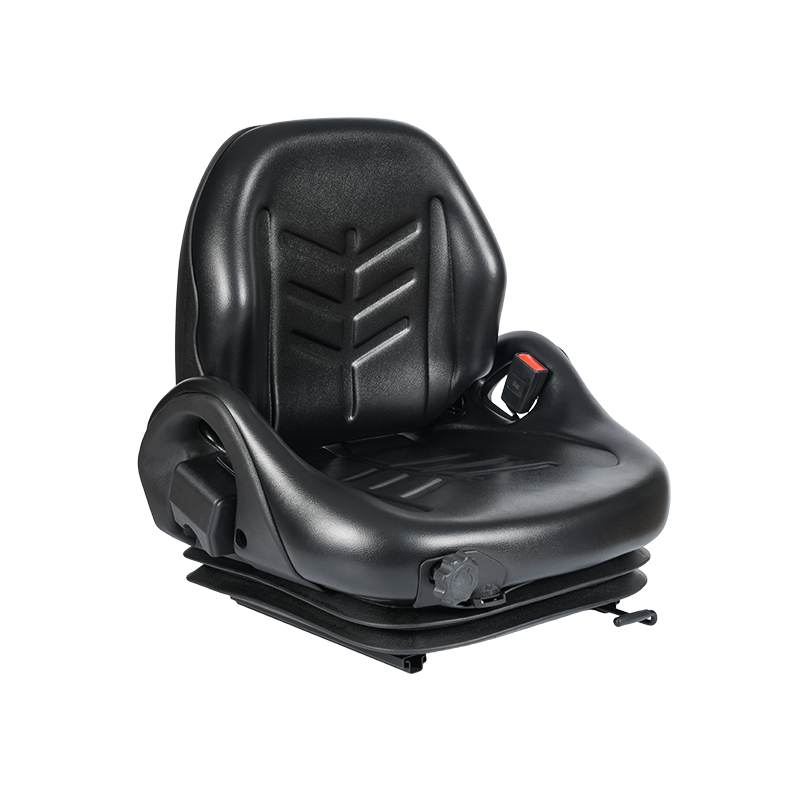
Mounting Compatibility and Installation Time
Universal does not mean one-size-fits-all. The mounting plate must accommodate different bolt patterns. Common patterns include 7.5-inch wide, 9-inch wide, and side-mount configurations. A true universal seat includes multiple slotted holes and adaptor plates.
Installation time varies based on the seat design. Seats with pre-assembled slide rails and plug-and-play wiring reduce downtime. For fleet managers, this translates to lower labor costs per installation. Below is a comparison of mounting features across universal seat tiers.
| Feature | Standard Universal Seat | Heavy-Duty Universal Seat |
|---|---|---|
| Mounting Plate | Single slotted plate, 2-4 bolt patterns | Multi-plate adapter kit, 6+ bolt patterns |
| Suspension Type | Mechanical spring, fixed damping | Air suspension or adjustable mechanical |
| Operator Presence Switch | Basic integrated switch | Universal harness with voltage selector |
| Average Installation Time | 45–60 minutes | 60–90 minutes |
Safety Compliance and Regulatory Standards
Forklift seats must comply with industrial safety standards. In North America, ANSI/ITSDF B56.1 governs the design of operator restraints and seat mounting. In Europe, EN 13490 specifies vibration testing requirements. A universal replacement forklift seat intended for commercial use must carry certification labels from these bodies.
Procurement teams should request documentation proving compliance. Key items include test reports for safety belt anchor strength and vibration transmissibility. Non-compliant seats create liability risks and may fail during safety inspections.
Vibration and Operator Fatigue
Whole-body vibration (WBV) is a known health risk for forklift operators. Universal seats with effective suspension reduce vibration exposure. The seat's transmissibility rating, measured in accordance with ISO 7096, indicates how much vibration reaches the operator. A rating below 0.9 is considered effective for most industrial applications.
For facilities with long shift durations, selecting a high-back universal forklift seat with lumbar support further reduces fatigue. High-back designs support the upper body during lateral movements, which is common in narrow-aisle operations.
Material Selection and Durability
Industrial environments expose seats to oil, dust, and extreme temperatures. The material choices directly affect the seat's lifespan. Vinyl is the most common covering because it resists oil and wipes clean easily. Fabric covers offer better breathability but require more maintenance.
Foam density is another critical factor. High-density foam (rated above 2.5 lbs per cubic foot) maintains its shape after repeated compression. Lower-density foam compresses permanently within months, leading to operator discomfort and premature replacement.
For cold storage applications, a specialized universal replacement forklift seat with cold-weather vinyl and low-temperature foam is necessary. Standard foam hardens in freezing conditions, causing poor shock absorption.
Cost Analysis for Fleet Procurement
Bulk purchasing of universal seats offers significant savings. A common search is universal forklift seat for sale in bulk, which indicates fleet-level demand. When evaluating quotes, consider the following factors beyond unit price:
- Warranty Terms: Look for at least 1 year on mechanical parts and 2 years on foam and cover.
- Spare Parts Availability: Suppliers who stock individual components (slide rails, switches) reduce downtime for repairs.
- Shipping and Lead Time: Universal seats from domestic distributors typically ship within 5–7 business days.
Fleet managers should also consider standardizing on one universal model across different forklift brands. Standardization simplifies training for maintenance staff and reduces inventory holding costs.
Conclusion
Choosing a universal replacement forklift seat requires a technical approach. Evaluate mounting compatibility, suspension type, safety certifications, and material durability. For large fleets, standardizing on a heavy-duty universal model reduces long-term costs. Whether you need a heavy-duty universal forklift seat for demanding environments or a high-back universal forklift seat for operator comfort, thorough specification ensures reliable performance and compliance.
Frequently Asked Questions (FAQ)
Will a universal replacement forklift seat fit my specific forklift model?
Most universal seats are designed to fit 80% of common forklift models from manufacturers such as Toyota, Hyster, Yale, Linde, and Crown. To confirm fit, measure the existing mounting hole pattern and the clearance under the overhead guard. The mounting plate width and slide rail length must match your truck's floor space. Many suppliers offer a fitment guide or template to verify compatibility before purchase.
What is the difference between mechanical and air suspension forklift seats?
Mechanical suspension uses steel coil springs and a damper to absorb shock. It is reliable, lower cost, and requires no external air supply. Air suspension uses an air bladder that self-adjusts to operator weight, providing smoother ride quality. Air suspension is preferred for multi-operator environments but costs 30-40% more. Both types require periodic inspection of moving parts to maintain performance.
How do I know if the seat includes an operator presence switch?
Check the product specifications for "OP switch" or "safety switch." Universal seats with this feature include a pressure-activated sensor in the cushion and a wiring pigtail. The switch must match your forklift's electrical system (normally open or normally closed). If the original forklift uses a seat switch, replacing it with a universal seat that lacks the switch will disable safety interlocks and may violate OSHA requirements.
What is the typical lifespan of a universal replacement forklift seat in heavy use?
In a single-shift operation (8 hours daily), a heavy-duty universal seat with vinyl cover and high-density foam typically lasts 3 to 5 years. Factors that reduce lifespan include exposure to UV light, chemical spills, and lack of cleaning. Air suspension components may require seal replacement every 2 to 3 years in dusty environments. Regular inspection of the safety belt anchor and mounting bolts is recommended every 6 months.
References
- ANSI/ITSDF B56.1-2020: Safety Standard for Low Lift and High Lift Trucks.
- ISO 7096:2020: Earth-moving machinery — Laboratory evaluation of operator seat vibration.
- OSHA 1910.178: Powered industrial trucks — Operator training and safety belt requirements.
- Industrial Truck Association (ITA): Best Practices for Forklift Seat Replacement.
- European Committee for Standardization: EN 13490 — Mechanical vibration — Laboratory evaluation of seat suspension.
- Fleet Management Weekly: Total Cost of Ownership Analysis for Material Handling Equipment.
-
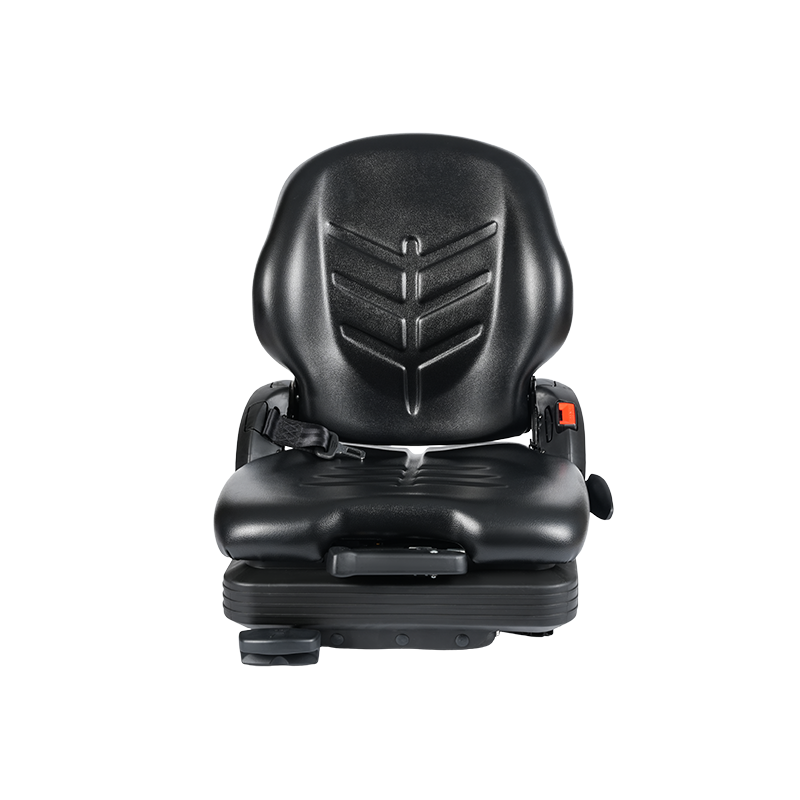
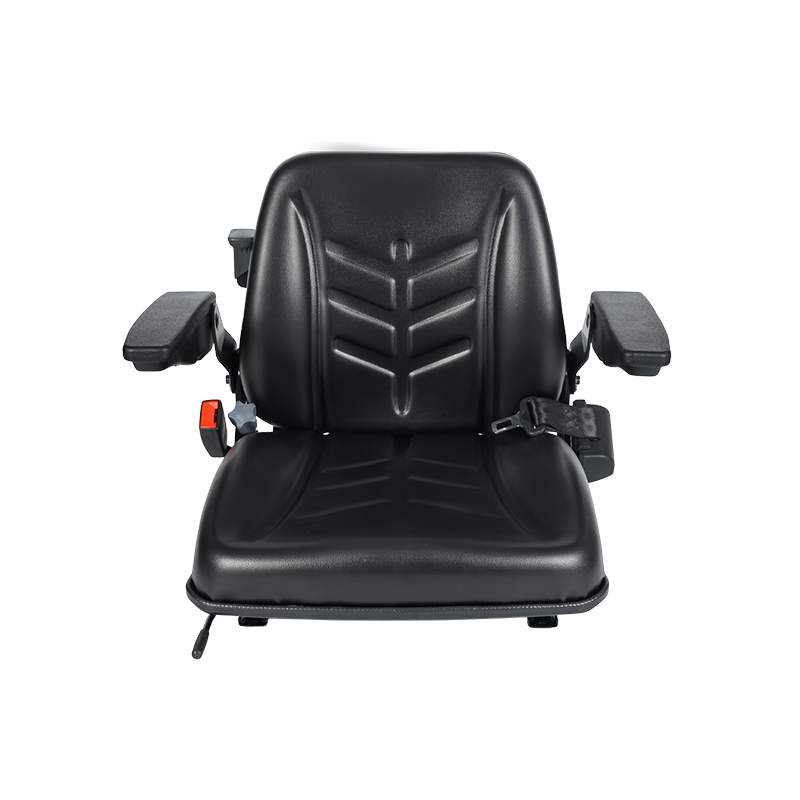
BF16 Low-Profile Vinyl Replacement Mechanical Suspension Seat for Material Handling Forklift Equipment - Black with EN 13490 IT1+IT2
-
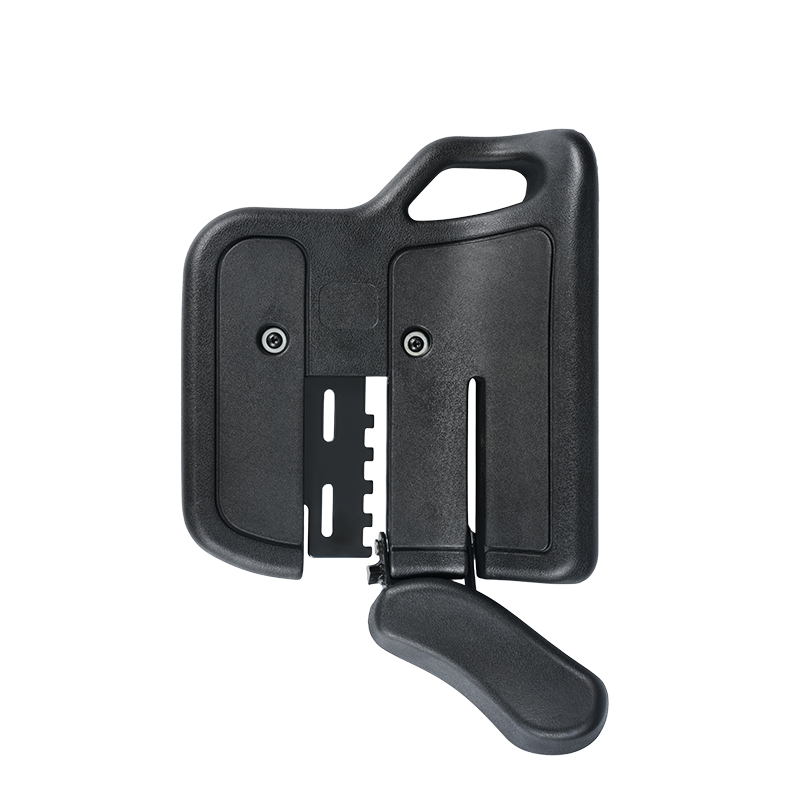
BF3 Single-Mold Polyurethane Eco-Friendly Seat with Vehicle-Contoured Design | Cost-Efficient Abrasion-Resistant Version for Stand-On Reach Forklifts
-
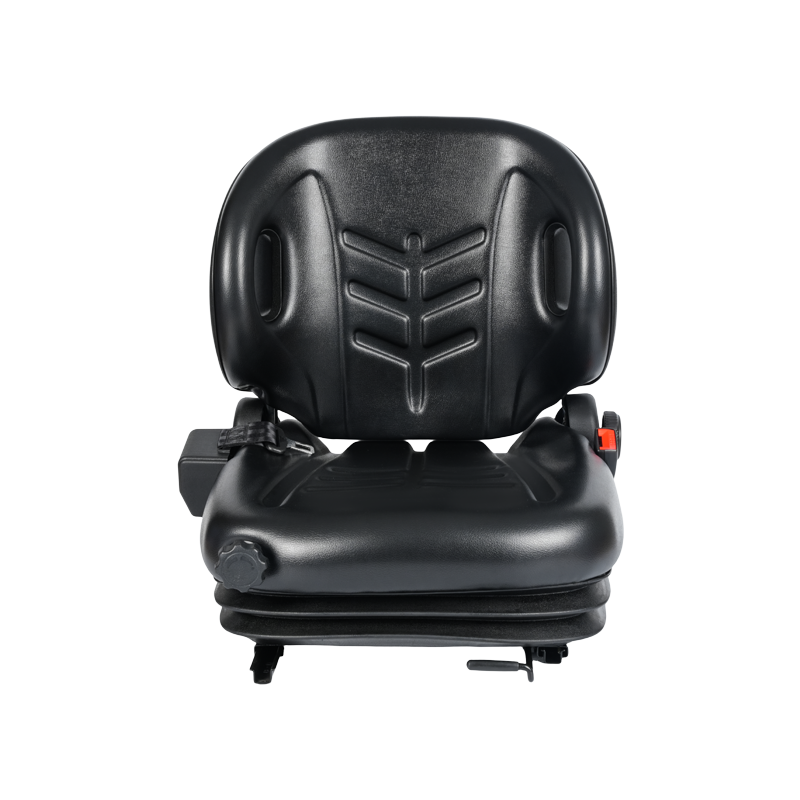
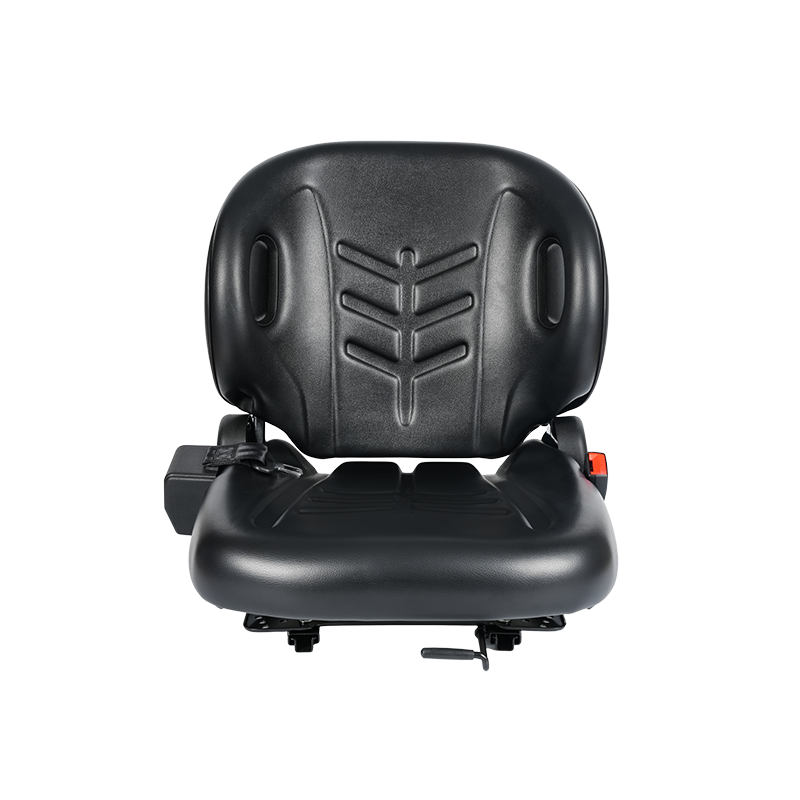
BF2-3AB EN 13490 IT1+IT2 Certified Counterbalance Forklift Seat with Mechanical Suspension OPS Switch & Universal Multi-Function Mounting System Compatible with Toyota Jungheinrich
-
-
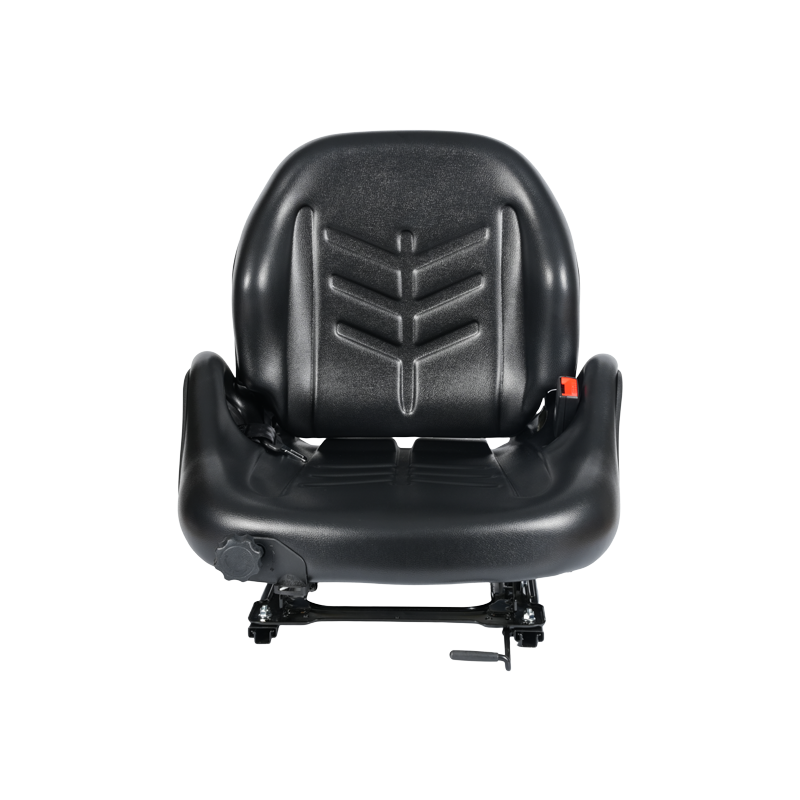
BF5-3 EN 13490 IT1+IT2 Certified Suspension Seat with safety belt & OPS (Operator Presence Switch) | Wide-Operator Design Compatible with Hangcha, Nissan, TCM, Mitsubishi Forklifts
-
Copyright @ Hangzhou Benfeng Auto Seat Co., Ltd. All rights reserved Privacy OEM/ODM Ergonomic Industrial Seats Manufacturers
浙ICP备20022099号