
 中文简体
中文简体 English
 Français
 Español
 عربى
عربى-

(86)-0571-82550327
-

info@bfseats.com
-




What Defines High-Quality Agricultural Machinery Seats?
Content
The Engineering Imperative in Modern Agriculture
In the domain of modern agriculture, the efficiency of large-scale operations depends heavily on operator performance. The interface between the operator and the machine is critical. Agricultural machinery seats serve as the primary structural link between the driver and the vehicle chassis. These components do far more than provide a place to sit. They act as complex vibration isolation systems. Engineers design them to mitigate the physical stress transmitted from uneven terrain to the human body. This technical function preserves the health of the operator and maintains focus during long working hours.
Operator Fatigue and Productivity
Whole-body vibration (WBV) is a significant occupational hazard in the agricultural sector. Prolonged exposure to vibration can lead to musculoskeletal disorders and chronic back pain. A well-engineered seat reduces the transmission of these vibrations. This reduction directly correlates with higher productivity. When an operator is less fatigued, they can operate machinery for longer periods with greater precision. Therefore, the specification of the seat is a key factor in the total cost of ownership for agricultural equipment.
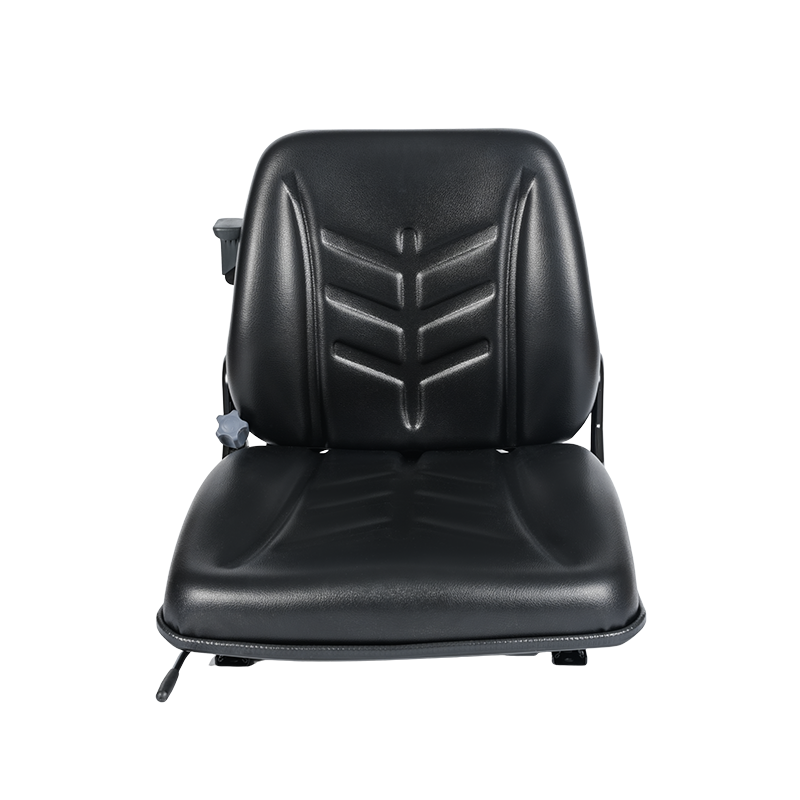
Core Mechanical Structures
The internal architecture of the seat determines its performance envelope. For heavy equipment, the complexity of the suspension system is the defining characteristic.
The Tractor Suspension Seat Mechanism
The tractor suspension seat mechanism is the heart of the isolation system. It typically consists of a scissor-type linkage that allows vertical movement. This mechanism isolates the seat base from the moving platform. Engineers design these linkages with high-strength steel to withstand dynamic loads. The mechanism must allow for free movement without lateral instability. A robust mechanism prevents metal fatigue failure under constant cyclic loading. It ensures that the seat functions reliably throughout the harvest season.
Agricultural Seat Air Suspension Technologies
Advanced seating solutions utilize pneumatic systems to improve ride quality. Agricultural seat air suspension systems use compressed air to support the seat pan. These systems offer a lower natural frequency compared to mechanical springs. This means they are more effective at isolating low-frequency vibrations caused by field operations. The air bag acts as a spring and a damper. It automatically adjusts to the weight of the operator. This automatic leveling ensures that the suspension always operates in its optimal range. This technology is essential for high-horsepower tractors and combine harvesters.
Material Science and Durability Standards
The operating environment for farming equipment is harsh. Seats are exposed to UV radiation, extreme temperatures, dust, and agrochemicals. Consequently, heavy duty agricultural machinery seats require specialized material engineering.
Heavy Duty Agricultural Machinery Seats Composition
Manufacturers use high-performance fabrics and polymers to ensure longevity. The cushioning foam must be high-density to prevent permanent deformation. Common cover materials include heavy-duty vinyl and woven polyester blends. These materials resist tearing and are easy to clean. The structural frame usually consists of powder-coated steel or cast iron to resist corrosion. Engineers specify materials that meet or exceed OEM durability standards. This ensures the seat can withstand the rigors of daily farm use.
Comparison of Suspension Types
When selecting seating, buyers must choose between mechanical and pneumatic systems. Each system has distinct advantages in terms of cost and performance. Mechanical systems are simple and robust. Pneumatic systems offer superior comfort but require an air supply.
The following table outlines the technical differences between these two suspension categories.
| Feature | Mechanical Suspension | Pneumatic (Air) Suspension |
| Isolation Efficiency | Moderate | High |
| Weight Adjustment | Manual Knob Adjustment | Automatic Leveling Valve |
| Maintenance Requirement | Low (Lubrication) | Medium (Air line checks) |
| Initial Cost | Lower | Higher |
| Best Application | Light Utility, Orchard Tractors | High-Power Tractors, Combines |
Ergonomics and Human Factors Engineering
Physical comfort is not a luxury; it is a safety requirement. The layout of controls and the shape of the cushion define the ergonomic quality of the seat.
Tractor Seat Ergonomic Design Principles
Engineers apply anthropometric data to design the seat geometry. Tractor seat ergonomic design focuses on lumbar support and pressure distribution. The seat pan must distribute the operator's weight evenly to prevent pressure points. The backrest angle and lumbar support must be adjustable. These adjustments accommodate the physiological variability of different operators. A seat that is too flat or too hard restricts blood flow. This restriction accelerates fatigue and reduces reaction times.
Adjustability Features for Diverse Operators
Modern agricultural operations often involve multiple operators using the same machine. Therefore, the seat must offer a wide range of adjustments. Key features include fore/aft slide adjustment, height adjustment, and weight adjustment. Weight adjustment is critical for the suspension to function correctly. If the suspension is too stiff for a light operator, it will not absorb impacts. If it is too soft for a heavy operator, it will bottom out. Armrests and headrests should also be multi-directional to support various working postures.
Procurement and Lifecycle Management
For procurement managers, the decision involves balancing upfront cost with lifecycle value. The aftermarket sector provides viable solutions for equipment maintenance.
Replacement Seats for Farm Machinery
Over time, foam degrades and covers wear out. Purchasing replacement seats for farm machinery is a cost-effective alternative to buying new equipment. Engineers must verify the mounting pattern of the replacement unit. The slide rail spacing must match the floor pan of the tractor or harvester. Suspension travel and height requirements must also be compatible. A correct retrofit restores the original ride quality and safety standards.
Compatibility and Installation Specifications
Installation is a critical factor for minimizing equipment downtime. Most replacement seats come with universal mounting kits. However, the electrical connections for safety switches and air suspension must be checked. Engineers should consult technical drawings before purchase. They must ensure that the new seat does not interfere with the steering column or the control console. Proper installation ensures that the safety features, such as the presence sensor, function correctly.
Conclusion
Agricultural machinery seats are sophisticated engineering components. They integrate mechanical suspension, pneumatic technology, and ergonomic science. The selection process requires a thorough understanding of tractor suspension seat mechanism types and material properties. By prioritizing tractor seat ergonomic design and choosing durable heavy duty agricultural machinery seats, buyers can significantly improve operator welfare and operational efficiency. Whether sourcing for new OEM lines or sourcing replacement seats for farm machinery, technical due diligence is essential for long-term value.
Frequently Asked Questions
- What is the standard weight capacity for agricultural seats?
- Most standard agricultural seats have a weight capacity ranging from 120 kg to 150 kg. Heavy-duty models designed for large-scale machinery often support up to 200 kg to accommodate a wide range of operators and heavy clothing.
- Do air suspension seats require an onboard compressor?
- Yes, air suspension seats require a supply of compressed air. Most modern tractors come equipped with an onboard air system. If the machine does not have one, a dedicated compressor kit must be installed to power the agricultural seat air suspension.
- How often should the seat suspension be serviced?
- Engineers recommend inspecting the suspension mechanism every 500 hours of operation. Lubrication of pivot points and checking air lines for leaks are standard maintenance tasks. This ensures the longevity of the seat and the safety of the operator.
- Can I replace a mechanical seat with an air suspension seat?
- Yes, it is possible to upgrade to an air suspension seat. However, the buyer must ensure there is a compressed air source available on the tractor. The mounting dimensions must also align with the new seat base.
References
- Scarlett, A. J., & Price, J. S. (2000). The effect of suspension design on the whole-body vibration of the drivers of agricultural tractors. Journal of Agricultural Engineering Research.
- International Organization for Standardization. (2013). ISO 5008: Agricultural tractors -- Operator's seat -- Laboratory measurement of transmitted vibration. ISO Standards.
- Hostens, I., & Ramon, H. (2003). Descriptive analysis of combine cabin vibrations and their effect on the human body. Journal of Sound and Vibration.
- Pinto, I., & Stacchini, N. (2006). Whole-body vibration in agricultural tractors: exposure and risk assessment. La Medicina del Lavoro.
- Bovenzi, M. (2010). A longitudinal study of low-back pain and whole-body vibration in professional drivers. Industrial Health.
-
-
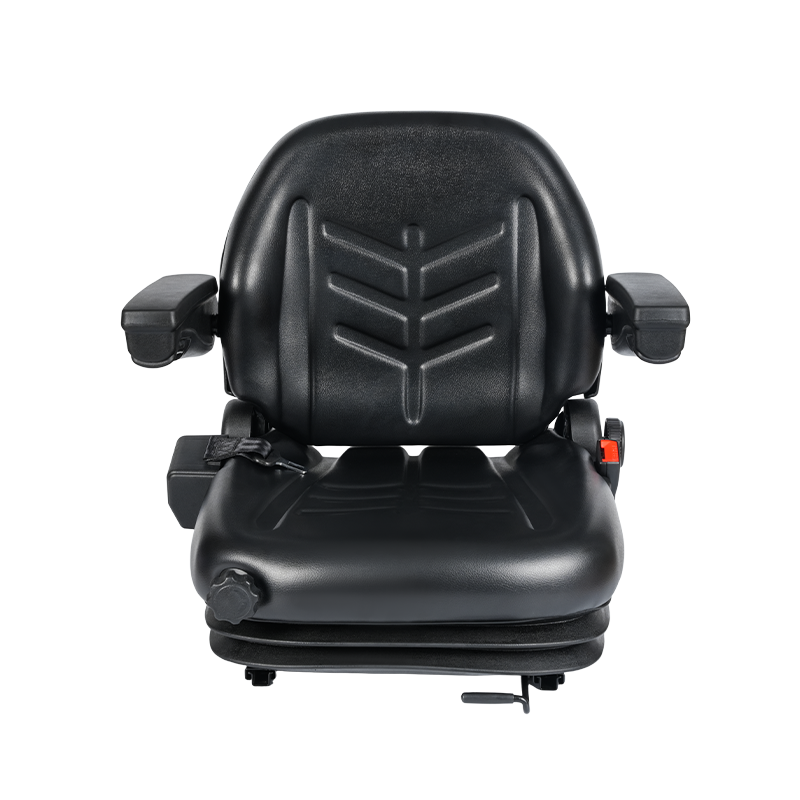
BF2-3AR Full-Suspension Agricultural Machinery Seat with Waterproof & Oil-Resistant Design for Tractors & Harvesters
-
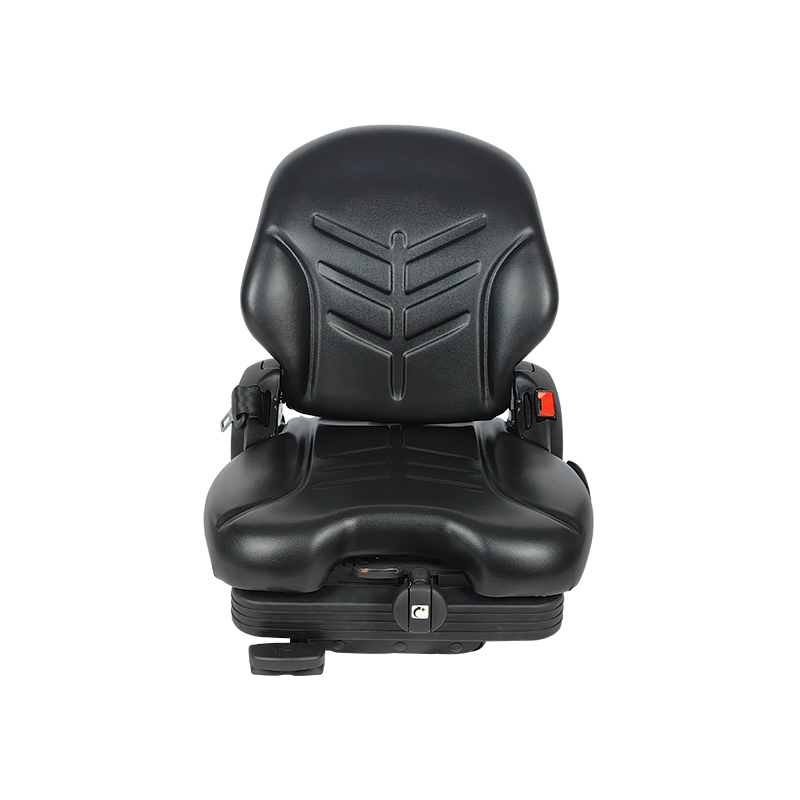
BF16M Heavy-Duty Agricultural Machinery Suspension Seat, Stepless Precise Damping Comfort Seat for Field Operation
-
-
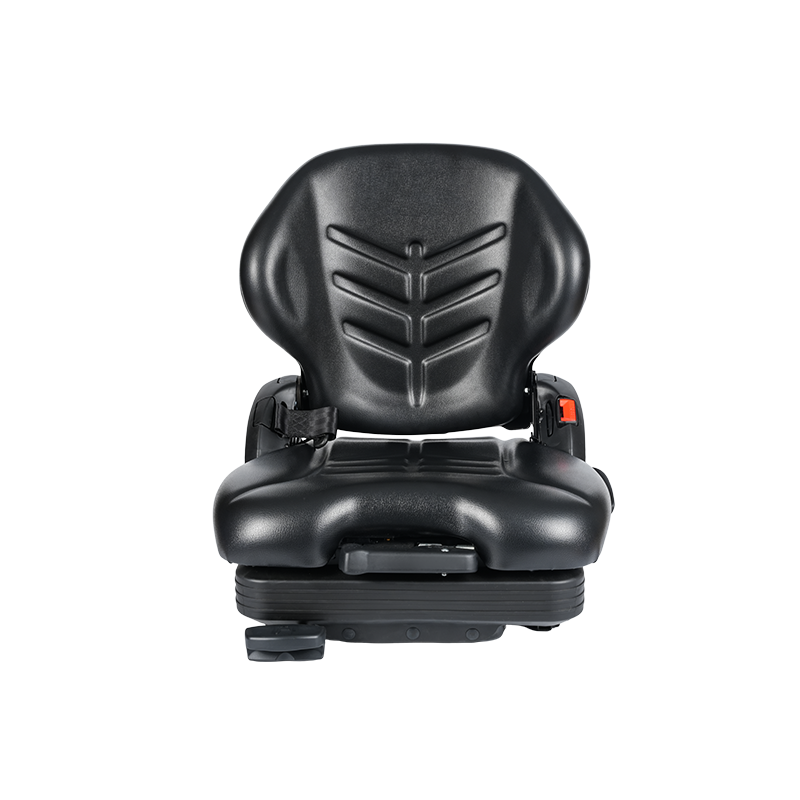
BF17 Ergonomically Advanced High-Comfort Forklift Seat with Back Support EN 13490 Certified for Optimal Operator Well-being
Copyright @ Hangzhou Benfeng Auto Seat Co., Ltd. All rights reserved Privacy OEM/ODM Ergonomic Industrial Seats Manufacturers
浙ICP备20022099号