
 中文简体
中文简体 English
 Français
 Español
 عربى
عربى-

(86)-0571-82550327
-

info@bfseats.com
-




How to Choose the Best construction machinery seats?
Content
- 1 Why Are High-Quality Construction Machinery Seats Important?
- 2 What Are heavy duty construction machinery seats with suspension?
- 3 How to Select universal replacement construction machinery seats?
- 4 Key Features of construction equipment operator seats with armrests
- 5 Are aftermarket construction machinery seats for excavators Reliable?
- 6 Why Choose waterproof construction machinery seats for outdoor use?
- 7 FAQ
- 8 References
Every construction project depends on operator stability, safety, and endurance. Construction machinery seats directly affect vibration exposure, posture control, and long-term health. Procurement managers and equipment manufacturers must evaluate seats based on engineering standards, durability, and lifecycle cost rather than appearance alone. This guide explains how to select seats that meet ISO vibration limits, ensure ergonomic compliance, and support demanding field operations.
Why Are High-Quality Construction Machinery Seats Important?
Impact on Operator Safety and Productivity
An operator experiences continuous whole-body vibration during excavation, loading, or material handling. A poorly designed seat increases fatigue and reduces reaction time. A high-performance seat reduces vertical acceleration and stabilizes pelvic posture.
A standard foam seat reduces only limited vibration energy, while a suspension-integrated seat absorbs multi-directional shock loads. The difference directly affects productivity and absenteeism.
| Factor | Standard Seat | Engineered Suspension Seat |
| Vibration Reduction | Limited damping | Complies with ISO vibration classes |
| Operator Fatigue | High after long shifts | Significantly reduced |
| Productivity Stability | Declines over time | Consistent output |
Compliance with ISO7096 and EN13490 Standards
Professional buyers must verify vibration attenuation performance. ISO 7096 defines laboratory tests for earth-moving machinery seats. EN 13490 specifies safety and performance requirements for industrial truck seats.
A compliant seat demonstrates controlled transmissibility under defined excitation classes. A non-certified seat does not provide verified vibration protection.
| Standard | Scope | Application |
| ISO 7096 | Earth-moving machinery vibration test | Excavators, loaders |
| EN 13490 | Industrial truck seating safety | Forklifts, material handling |
Reducing Vibration and Fatigue in Heavy Equipment
- Mechanical suspension isolates low-frequency vibration.
- Air suspension adapts to operator weight automatically.
- Lumbar adjustment maintains spinal curvature.
- Seat belt integration ensures restraint compliance.
What Are heavy duty construction machinery seats with suspension?
Types of Suspension Systems
Heavy duty construction machinery seats with suspension use either mechanical springs or air-controlled dampers. Mechanical systems provide cost-effective reliability. Air suspension systems provide adjustable dynamic response.
| Feature | Mechanical Suspension | Air Suspension |
| Adjustment | Manual weight setting | Automatic weight adaptation |
| Maintenance | Low complexity | Requires air system inspection |
| Comfort Level | Moderate | High |
Benefits for Excavators and Loaders
Excavators generate vertical and lateral vibration. Loaders generate repetitive shock during bucket loading. A heavy-duty suspension seat reduces transmitted acceleration and protects the operator’s lumbar spine.
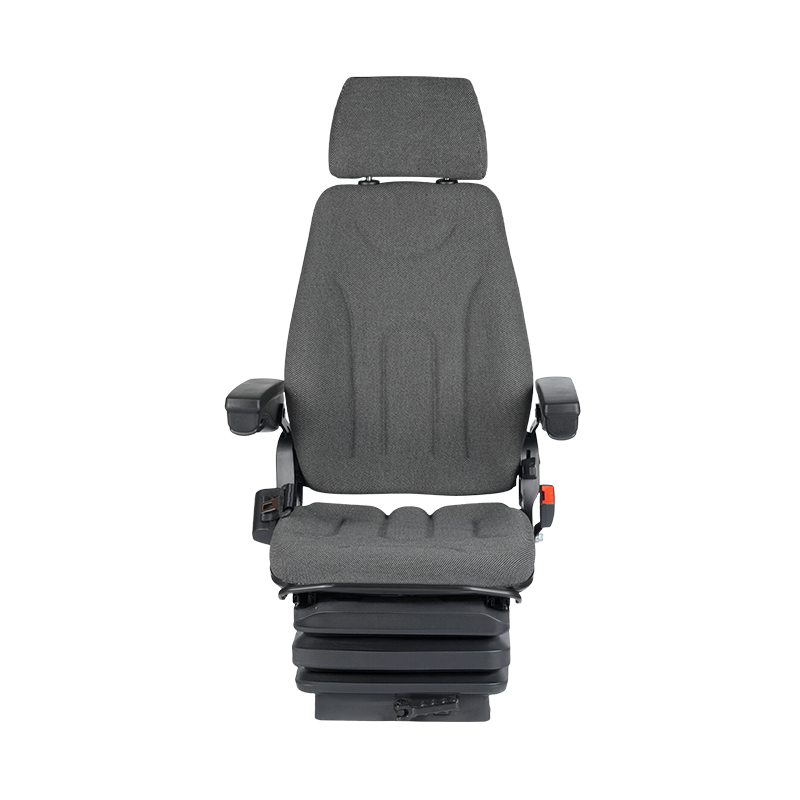
How Suspension Improves ISO7096 Performance
A suspension seat reduces the Seat Effective Amplitude Transmissibility (SEAT value). Lower SEAT values indicate better vibration isolation. Procurement teams should request laboratory test reports.
How to Select universal replacement construction machinery seats?
Mounting Compatibility
Universal replacement construction machinery seats must match bolt patterns and slide rail dimensions. Buyers must confirm hole spacing and fore-aft travel length.
| Parameter | Standard Range | Procurement Check |
| Bolt Pattern | Common industry spacing | Measure base plate |
| Slide Travel | 150–210 mm typical | Confirm operator reach |
Aftermarket vs OEM Considerations
An aftermarket seat may provide cost advantages. An OEM seat may ensure exact integration. Buyers should compare certification status and durability test data before selection.
Key Features of construction equipment operator seats with armrests
Ergonomic Armrest Design
Construction equipment operator seats with armrests support forearm weight and reduce shoulder strain. Adjustable armrests allow height and angle alignment.
| Feature | Fixed Armrest | Adjustable Armrest |
| Comfort | Limited personalization | Optimized posture |
| Fatigue Reduction | Moderate | High |
Safety Integration
- Seat belt anchorage compliant with safety standards.
- Operator presence switch integration.
- Fire-retardant cushion materials.
Are aftermarket construction machinery seats for excavators Reliable?
Aftermarket construction machinery seats for excavators can meet performance requirements if suppliers provide certified test documentation. Buyers must request CE compliance and vibration reports.
| Evaluation Criteria | Certified Supplier | Non-certified Supplier |
| Test Reports | Available | Unavailable |
| Material Traceability | Documented | Unclear |
Why Choose waterproof construction machinery seats for outdoor use?
Waterproof construction machinery seats for outdoor use resist rain, dust, and UV radiation. PVC surfaces resist moisture penetration better than woven fabric.
| Material | PVC | Fabric |
| Water Resistance | High | Moderate |
| UV Resistance | High with coating | Lower |
| Maintenance | Easy cleaning | Requires drying |
FAQ
1. How long do construction machinery seats typically last?
A high-quality seat lasts 3–5 years under heavy-duty use if maintenance follows manufacturer guidelines.
2. What certification should buyers prioritize?
Buyers should prioritize ISO 7096 vibration testing and EN 13490 compliance for industrial applications.
3. Are air suspension seats worth the investment?
An air suspension seat improves operator comfort and reduces fatigue. Long-term productivity often justifies the higher cost.
4. Can universal seats fit all machines?
Universal seats fit many machines, but buyers must verify bolt patterns and installation dimensions.
5. Why is waterproof material important?
Waterproof materials prevent foam degradation and corrosion. Outdoor machinery requires weather-resistant seating solutions.
References
- International Organization for Standardization. ISO 7096: Earth-moving machinery — Laboratory evaluation of operator seat vibration.
- European Committee for Standardization. EN 13490: Mechanical vibration — Industrial trucks — Laboratory evaluation of operator seat vibration.
- Griffin, M. J. (1990). Handbook of Human Vibration. Academic Press.
- European Agency for Safety and Health at Work. Whole-body vibration exposure guidelines.
-
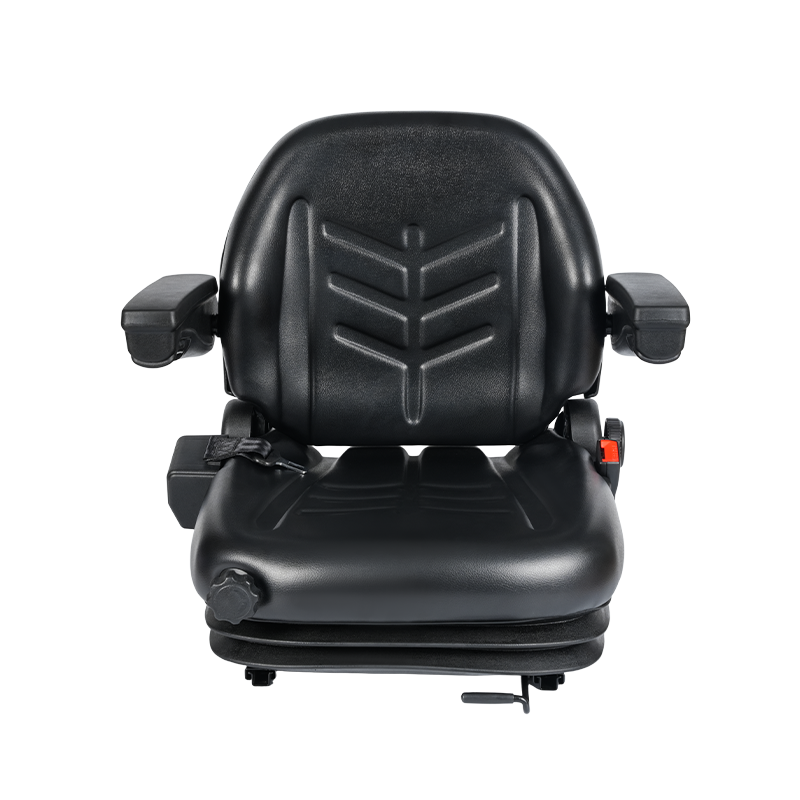
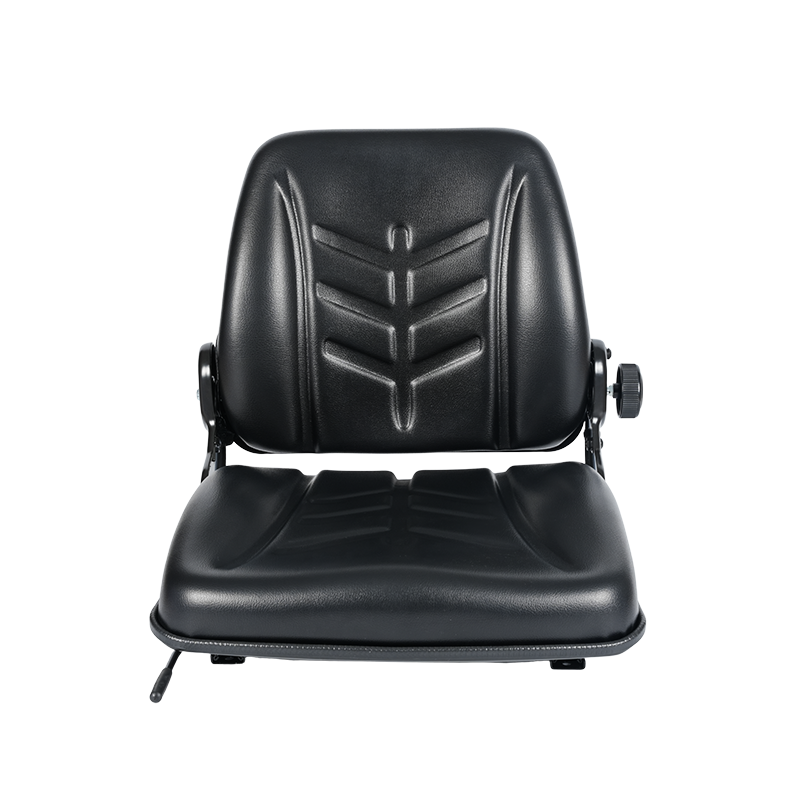
BF2-3AR Heavy-Duty Full-Suspension Construction Machinery Seat with Universal Mounting for Excavators & Loaders
-
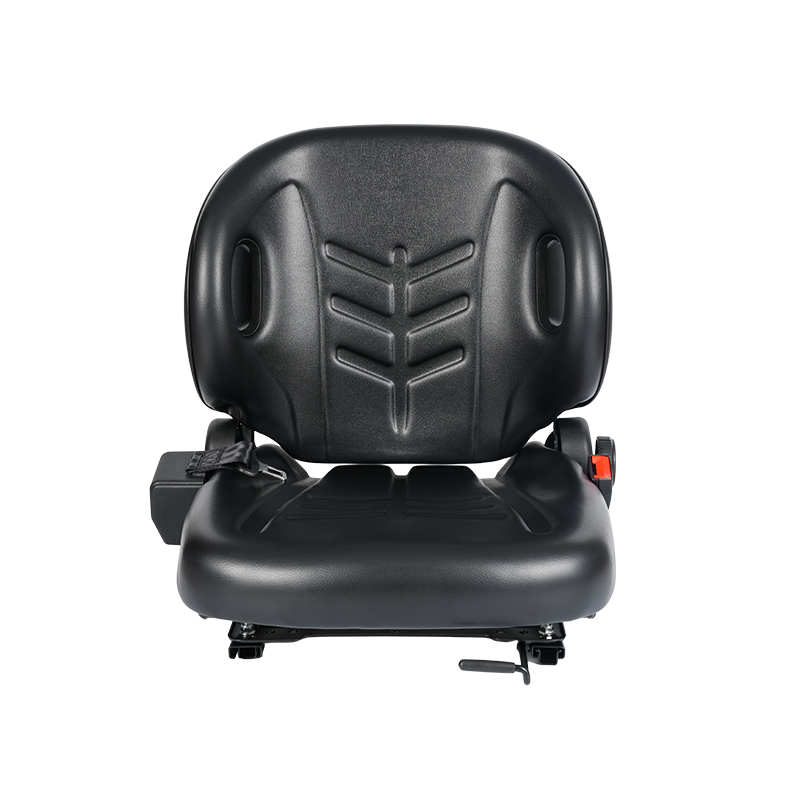
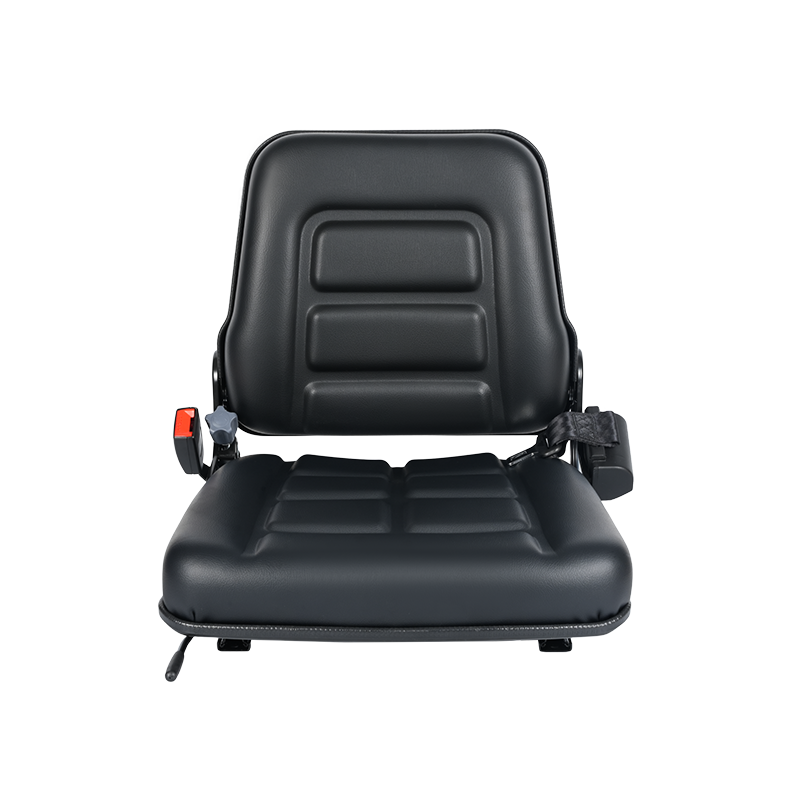
BF2-2 Universal Fit Flatbed Seat for Airport Tractors with 60° Recline, Retractable Seatbelt & Doc Box
-
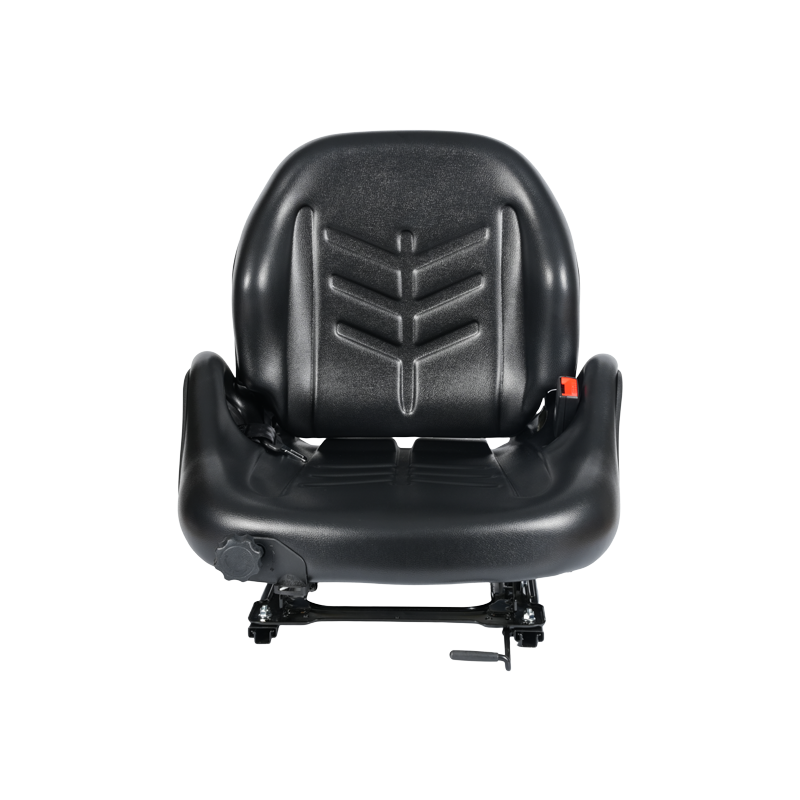
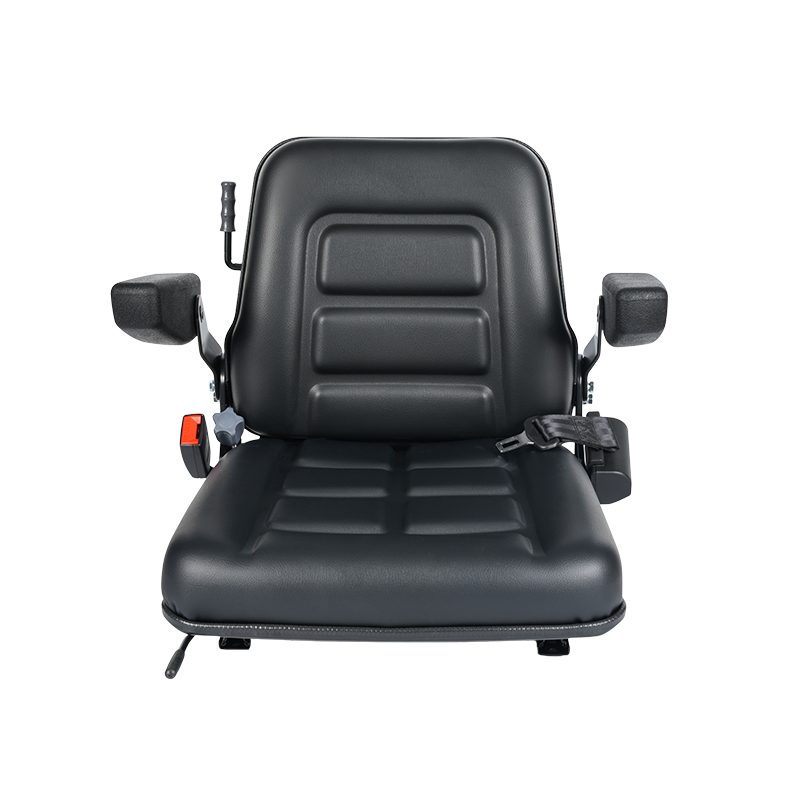
BF5-3 EN13490 IT1+IT2 Certified Suspension Seat with Safety Belt & OPS Switch | Wide-Operator Design Compatible with Hangcha, Nissan, TCM, Mitsubishi Forklifts
Copyright @ Hangzhou Benfeng Auto Seat Co., Ltd. All rights reserved Privacy OEM/ODM Ergonomic Industrial Seats Manufacturers
浙ICP备20022099号