
 中文简体
中文简体 English
 Français
 Español
 عربى
عربى-

(86)-0571-82550327
-

info@bfseats.com
-




How Can Industrial Vehicle Seats Boost Productivity and Operator Health?
Content
- 1 1. Tractor Seats Selection: Tackling Durability Challenges from Field to Worksite
- 2 2. Deep Dive: Heavy-Duty Excavator Seat Suspension Systems
- 3 3. Industrial Forklift Seats: A Complete Guide to Replacement Parts and Upgrades
- 4 4. The Ergonomics Revolution: Holistic Industrial Equipment Seating Solutions
- 5 5. Core Technology: A Detailed Look at Vehicle Seat Vibration Isolation Systems
- 6 Conclusion and Action Plan
- 7 FAQ
- 7.1 What is the average lifespan of an industrial vehicle seat, and when should it be replaced?
- 7.2 Can I retrofit an air suspension or advanced ergonomic seat onto my older model forklift or tractor?
- 7.3 How do I clean and maintain my industrial seat to maximize its life?
- 7.4 Are there specific seats recommended for operators with existing back problems?
- 7.5 What certifications should I look for when purchasing a new industrial seat?
In the demanding world of construction, agriculture, and material handling, industrial vehicle seats are far more than simple places to sit. They are a critical interface between human and machine, directly impacting safety, long-term health, operational efficiency, and total cost of ownership. A poorly designed seat can lead to accelerated operator fatigue, increased risk of musculoskeletal disorders (MSDs), and reduced control precision—all of which undermine productivity and profitability. Conversely, a well-engineered seat acts as a productivity multiplier, enhancing comfort, focus, and endurance over long shifts. This comprehensive guide is designed for equipment owners, fleet managers, and procurement specialists. We will delve deep into the engineering, ergonomics, and economics of industrial seating, providing actionable insights to inform your next specification or upgrade decision, ensuring your investment protects both your operators and your bottom line.
1. Tractor Seats Selection: Tackling Durability Challenges from Field to Worksite
Selecting the right industrial vehicle seats for tractors requires a unique approach that balances brutal environmental resistance with exceptional ergonomic support for prolonged, often monotonous, operation. Agricultural and multi-terrain environments expose equipment to a harsh combination of dust, moisture, chemical sprays, and intense UV radiation. A seat must withstand these elements while providing a stable, comfortable platform for an operator who may spend 10-12 hours at a stretch. The consequences of a wrong choice extend beyond discomfort; they include premature seat failure, costly downtime for replacement, and chronic health issues for the operator. This section will explore the specific demands of the agricultural sector and break down the key performance metrics you must evaluate to ensure durability, comfort, and value over the entire lifecycle of the machine.
Unique Requirements in Agricultural Environments
The agricultural operating environment is uniquely punishing. Unlike a controlled warehouse or even a standard construction site, a tractor cab is subject to extreme temperature fluctuations and constant infiltration of particulates.
- Dust, Moisture, and UV Resistance: Seat materials must be inherently resistant. High-quality vinyl or polyurethane covers with sealed seams prevent moisture ingress and are easy to clean. UV-stabilized polymers prevent cracking and fading, which degrade both appearance and structural integrity. The seat substructure, often powder-coated steel, must also resist corrosion from humidity and chemical exposure.
- Lumbar and Pelvic Support for Long Shifts: Ergonomic design is non-negotiable. The seat must promote a neutral spine posture to minimize disc pressure. Key features include adjustable lumbar support (both depth and height), contoured seat cushions with waterfall fronts to reduce pressure on the thighs, and sufficiently wide bolsters for lateral support during side-slope operation without restricting movement.
Comparison of Key Performance Indicators
Beyond environment-specific needs, core mechanical choices define the seat's performance. The two most critical are the suspension type and the upholstery material, each offering distinct trade-offs between cost, comfort, and maintenance.
- Suspension Types: Mechanical vs. Air:
A seat's suspension is its primary defense against whole-body vibration (WBV). Mechanical suspensions use a combination of springs and shock absorbers, are generally robust and lower cost, but offer limited, often manual, weight adjustment. Air suspensions provide superior vibration isolation, automatically adjust to the operator's weight for optimal damping, and typically include a ride-height lockout for stability during mounting/dismounting or stationary work.
Feature Mechanical Suspension Air Suspension Vibration Isolation Good Excellent Weight Adjustment Manual, limited range Automatic, wide range Initial Cost Lower Higher Maintenance Complexity Low Moderate to High Ideal For Standard-duty applications, tighter budgets High-hour usage, environments with rough terrain - Upholstery Choices: Fabric vs. Synthetic Leather:
The cover material impacts durability, cleanliness, and comfort perception. Breathable fabric offers excellent comfort in varying temperatures but can trap dirt and odors, making it harder to clean. Synthetic leather (vinyl or polyurethane) is highly durable, waterproof, and easy to wipe clean, but may be less breathable, potentially leading to discomfort in hot climates without proper cab climate control.
2. Deep Dive: Heavy-Duty Excavator Seat Suspension Systems
The operator of a heavy duty excavator is subjected to constant, low-frequency shocks and vibrations from digging, swinging, and traveling over uneven ground. The seat suspension system is not an accessory; it is a vital secondary damping system working alongside the machine's main undercarriage. An advanced heavy duty excavator seat suspension system does more than improve comfort—it directly mitigates health risks associated with Whole-Body Vibration (WBV), such as lower back pain and spinal degeneration, as defined by the ISO 7096 standard. This section will explain how these sophisticated systems function as the operator's primary defense, dissect the technology behind them, and outline why they represent a critical investment in human capital and machine utilization.
How Seat Suspension Acts as a "Secondary Shock Absorber"
The cab floor of an excavator transmits vibrations from the entire machine. The seat suspension's role is to isolate the operator from these harmful vibrations.
- Principles of Impact Absorption and Vertical Vibration Reduction: A high-quality suspension uses a tuned combination of springs (or an air spring) and a hydraulic or pneumatic damper. The spring supports the operator's weight, while the damper controls the oscillation speed, converting kinetic energy from bumps and shocks into heat energy, thereby preventing the seat (and the operator) from bouncing excessively.
- The ISO 7096 Standard and Health Risks (WBV): ISO 7096 is the international standard for measuring and evaluating operator exposure to WBV on earth-moving machinery. It sets limits for vibration magnitude. Prolonged exposure above these limits is clinically proven to increase the risk of chronic back injuries. A compliant seat suspension is engineered to keep transmitted vibrations below these health guidance thresholds.
Analysis of Mainstream Suspension Technologies
Understanding the technology inside the suspension cylinder is key to specifying the right seat.
- Adjustment and Maintenance of Mechanical Suspension Valves: These systems often feature a manual dial to adjust damping force based on operator weight. Maintenance typically involves checking for oil leaks from the damper and ensuring the torsion spring or linkage is free from corrosion or damage. They are reliable but require operator intervention for optimal setup.
- Advanced Air Suspension with Auto-Leveling Function: The pinnacle of seat suspension technology, these systems use an air spring that automatically inflates/deflates to maintain a perfect ride height regardless of operator weight. An integrated electronic control unit (ECU) constantly adjusts the damping valve in real-time based on input from an accelerometer, providing optimal isolation across all working conditions. They offer "set-and-forget" comfort and superior protection.
3. Industrial Forklift Seats: A Complete Guide to Replacement Parts and Upgrades
Over time, even the most robust industrial vehicle seats will require maintenance. For industrial forklift seat replacement parts, knowing what can be serviced, what should be replaced, and when to DIY versus call a professional is crucial for minimizing downtime and ensuring ongoing safety. A worn-out seat isn't just an inconvenience; a failed suspension can cause a loss of control, and a torn seat cover can expose flammable foam. This guide will help you identify common wear items, understand the replacement process, and make informed decisions about repairing versus replacing entire seat assemblies, ensuring your fleet remains operational and safe.
Identifying Common Replacement Components
Most seat systems are modular. Recognizing these parts aids in troubleshooting and ordering.
- Seat Slides and Adjustment Mechanisms: These allow fore/aft positioning. Common failures include worn gear teeth, broken handles, or seized rails due to dirt accumulation. Replacement often involves unbolting the old unit and installing a new one.
- Armrests, Seat Belt Buckles, and Cushion Foam: These are high-wear comfort and safety items. Armrests crack, buckles can fail to latch, and foam compresses over time, losing support. Re-upholstering a seat cushion or replacing foam inserts can dramatically renew an old seat.
DIY Replacement Steps and Professional Advice
Knowing the limit of safe DIY work protects both you and the operator.
- When is DIY Replacement Feasible? Simple bolt-on parts like armrests, non-retractable lap belts, or even entire seat cushions designed for easy swap are typically DIY-friendly if you have basic tools and follow the manual. Cleaning and lubricating slide mechanisms is also a common maintenance task.
- When Must You Seek Professional Service? Any work involving the seat's structural integrity, suspension system (especially gas struts or air springs), or integrated electronic controls (for air suspension, heating, etc.) should be left to certified technicians. Incorrect installation can lead to catastrophic failure.
4. The Ergonomics Revolution: Holistic Industrial Equipment Seating Solutions
Modern ergonomic industrial equipment seating solutions represent a paradigm shift from viewing the seat as an isolated component to treating it as the centerpiece of an integrated operator environment. The goal is to create a "healthy cockpit" that adapts to the human, not vice versa. This holistic approach considers the dynamic relationship between the seat, the controls, the displays, and the cab layout to minimize awkward postures, reduce reach strain, and maximize situational awareness. Furthermore, the rise of data connectivity is turning seats into intelligent hubs. This section explores how leading-edge seating philosophy and technology converge to deliver unparalleled operator care and actionable fleet management insights.
Beyond the Seat: Building a Healthy Cockpit
True ergonomics is systemic. The seat's adjustability must synchronize with the rest of the cab's layout.
- Synergy Between Seat and Control Positioning: The ideal scenario allows the operator to adjust the seat first (height, distance, tilt) to achieve a safe, comfortable posture with a clear view, and then have all primary controls (steering wheel, joysticks, pedals) within easy reach without stretching or slouching. This reduces shoulder and arm fatigue.
- The Significance of Adjustability for a Diverse Operator Pool: Fleets have operators of different sizes. A seat with a wide range of adjustments—seat pan depth, lumbar support position and firmness, armrest width and angle—ensures that every individual can achieve their optimal driving position, promoting inclusivity and consistent performance.
Smart Seats and Data Integration
The future of seating is connected and diagnostic.
- Integrated Sensors and Fatigue Monitoring: Seats can now embed sensors to monitor seat occupancy, vibration exposure levels (tracking compliance with ISO 7096), and even subtle shifts in operator posture that may indicate drowsiness or inattention, providing valuable alerts.
- The Value of Seat Data for Fleet Management: Aggregated data from connected seats can inform predictive maintenance schedules (flagging a seat with rising vibration levels), validate operator training by showing who operates within optimal ergonomic parameters, and provide objective evidence of workplace conditions for health and safety reporting.
5. Core Technology: A Detailed Look at Vehicle Seat Vibration Isolation Systems
At the heart of protecting operators from the detrimental effects of rough terrain is the industrial vehicle seat vibration isolation system. These sophisticated systems are engineered to decouple the operator from the harmful vibratory energy generated by the vehicle's interaction with the ground. Chronic exposure to WBV is a serious occupational hazard, directly linked to degenerative spinal disorders, digestive issues, and impaired cognitive function. By investing in advanced isolation technology, companies are not merely buying comfort—they are actively investing in the long-term health of their workforce, reducing absenteeism, lowering insurance costs, and enhancing operational precision. This section will detail the science of vibration, the mechanics of isolation, and how to evaluate system performance.
The Long-Term Hazards of Vibration for Operators
The risks are well-documented and significant.
- The Link Between Whole-Body Vibration and Spinal Disorders: WBV transmits energy directly to the spine, accelerating disc degeneration, causing microfractures in vertebrae, and leading to chronic conditions like lumbar osteoarthritis. The resonance frequency of the human spine (around 4-5 Hz) is particularly vulnerable to the common vibration frequencies of heavy vehicles.
- Impact on Operational Precision and Fatigue: High vibration levels cause visual blurring, making it harder to read gauges or position loads accurately. It also increases metabolic energy expenditure as muscles constantly tense to stabilize the body, leading to faster onset of general and localized muscle fatigue, which reduces overall productivity and increases error rates.
How Advanced Isolation Systems Work
Isolation systems are categorized by their method of operation.
- Passive Isolation Systems vs. Active Isolation Systems:
Passive systems (like standard mechanical or air suspensions) react to incoming vibrations. They are effective but have a fixed response curve. Active Isolation Systems (AIS) use sensors to detect incoming vibrations in real-time and actuators (e.g., a linear motor) to generate an equal but opposite counter-vibration, actively canceling out disturbances before they reach the operator. This is the cutting edge of seat technology.
Aspect Passive System Active System (AIS) Technology Springs & Dampers Sensors, ECU, Actuators Response Reactive Proactive/Canceling Isolation Performance Very Good within design range Exceptional across broad frequency range Complexity & Cost Lower Significantly Higher Best Application Most general industrial applications Extreme environments (e.g., mining, forestry) - How to Evaluate System Isolation Efficiency: Look for data on vibration transmissibility, often presented as a percentage reduction against the ISO 7096 standard. Reputable manufacturers provide test reports from independent laboratories. Also, consider features like lateral vibration isolation and seat tilt compensation, which address multi-axis movements.
Conclusion and Action Plan
Choosing the right industrial vehicle seats is a strategic decision with direct, measurable returns. It is an investment in human capital that pays dividends through enhanced operator health and safety, reduced downtime, improved precision, and higher overall equipment productivity. A quality seat is a core component of a machine's value, not an optional extra.
Your Action Plan:
- Conduct an Audit: Assess the current seats in your fleet. Check for visible wear, failed adjustments, and operator complaints about comfort or back pain.
- Develop a Specification List: Based on the machine type and operating environment (e.g., need for heavy duty excavator seat suspension or vibration isolation systems), list must-have features: suspension type, adjustability range, material specifications, and relevant safety/compliance certifications.
- Consult with Specialists: Engage with technical sales representatives from industrial seat manufacturers. Provide them with your machine models and specifications to get tailored recommendations and quotes for both new equipment and industrial forklift seat replacement parts.
FAQ
What is the average lifespan of an industrial vehicle seat, and when should it be replaced?
There is no single "average" lifespan, as it depends entirely on usage hours, operating environment, and maintenance. A seat in a 24/7 mining haul truck may need overhaul in 2-3 years, while one in a lightly used warehouse forklift could last 10+ years. Replacement should be considered when: 1) The suspension no longer dampens vibration effectively (operator feels every bump), 2) Adjustments fail or become stuck, 3) The structure or mounting shows cracks or damage, 4) The upholstery is torn, exposing foam (a fire hazard), or 5) Operator discomfort or pain is consistently reported. Proactive replacement of key industrial forklift seat replacement parts like cushions or armrests can extend the overall seat life.
Can I retrofit an air suspension or advanced ergonomic seat onto my older model forklift or tractor?
In most cases, yes, retrofitting is possible and can be a highly cost-effective way to upgrade operator comfort and protection. The key considerations are: Mounting Interface: You must match the seat's base mounting pattern (bolt holes) and height to your cab's existing floor. Adapter plates are often available. Clearance: Ensure the new seat, especially with a full heavy duty excavator seat suspension system, does not interfere with the steering wheel, controls, or overhead guard. Functionality: For simple mechanical seats, it's often plug-and-play. For seats with heating or electronic air suspension controls, you may need to wire in a power source. Consulting with a specialist is highly recommended for retrofit projects.
How do I clean and maintain my industrial seat to maximize its life?
Regular maintenance is crucial. For daily/ weekly cleaning, use a soft brush or vacuum to remove loose dirt and debris from crevices. Wipe down vinyl or synthetic leather covers with a mild soap and water solution; avoid harsh solvents or abrasive pads. For fabric, use a specialized upholstery cleaner. Monthly or quarterly, inspect all mechanical parts: lubricate seat slides and pivot points with a silicone-based lubricant (not grease, which attracts dirt), check for loose bolts at mounting points, and inspect the suspension for oil leaks or damage. Keeping the seat clean and moving freely is the best way to prevent premature wear on industrial vehicle seats.
Are there specific seats recommended for operators with existing back problems?
Yes, and accommodating such operators is a critical part of an inclusive workplace. Look for seats that are part of comprehensive ergonomic industrial equipment seating solutions. Key features include: Dynamic Lumbar Support: Systems that actively adjust and support the lower back through a range of motion, not just static cushions. Superior Vibration Isolation: A high-performance industrial vehicle seat vibration isolation system (preferably air or active) is non-negotiable to minimize shock to the spine. Enhanced Adjustability: Seats with seat pan tilt, adjustable backrest angle, and multi-point lumbar support allow for fine-tuning to individual therapeutic needs. Always involve the operator in the selection and fitting process.
What certifications should I look for when purchasing a new industrial seat?
Certifications are your assurance of safety and performance. The most critical ones include: ISO 7096: Certifies that the seat's vibration damping performance has been tested and meets health guidance criteria for earth-moving machinery. ISO 3449 (FOPS) & ISO 3471 (ROPS): For seats used in machines with Falling/Object or Roll-Over Protective Structures, the seat and its mounting must be certified to withstand the forces in such an event without failing. CE Marking (for Europe): Indicates conformity with health, safety, and environmental protection standards for the EEA. SAE/ANSI Standards: In North America, look for compliance with relevant SAE standards for construction and industrial equipment seats. Always request the certification documentation from the manufacturer.
-
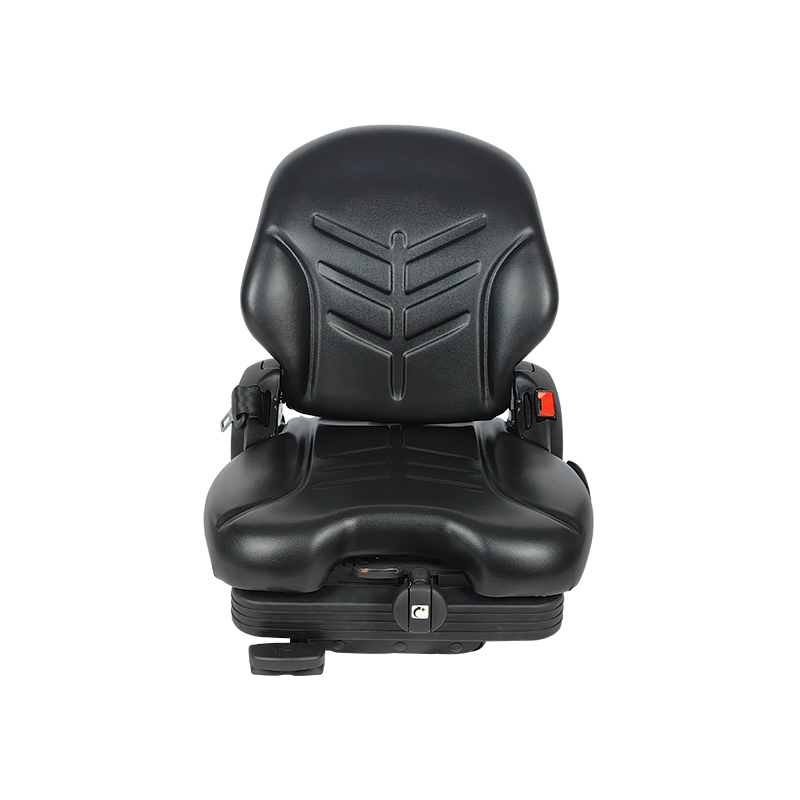
BF16M Multi-Scenario Universal Industrial Vehicle Suspension Seat, High-Precision Stepless Adjustment Modular Comfort Seat
-
-
-
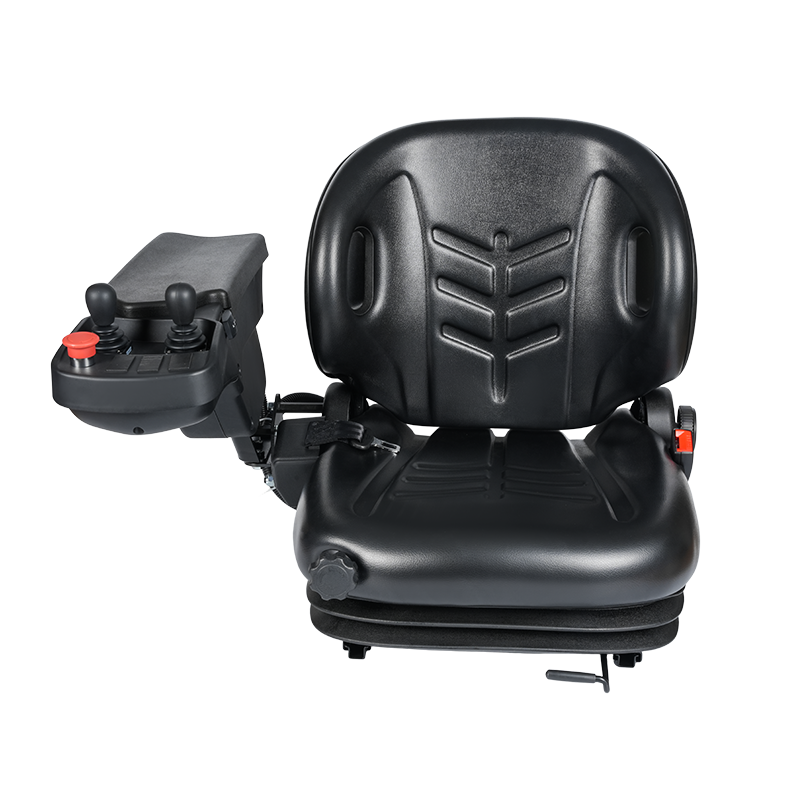
BF2-3ABC Versatile Full-Suspension Industrial Vehicle Seat with Smart Armrest Console for Multi-Scenario Use
Copyright @ Hangzhou Benfeng Auto Seat Co., Ltd. All rights reserved Privacy OEM/ODM Ergonomic Industrial Seats Manufacturers
浙ICP备20022099号