
 中文简体
中文简体 English
 Français
 Español
 عربى
عربى-

(86)-0571-82550327
-

info@bfseats.com
-




How Can Industrial Vehicle Seats Enhance Comfort and Durability for Heavy Duty Operations?
Content
1. Introduction
In various industrial environments, operator comfort and safety directly impact work efficiency and long-term health. As a critical component of industrial vehicles, industrial vehicle seats must not only provide comfort and ergonomic design but also possess high durability, shock resistance, and other essential features. Whether used in forklifts, cranes, or other heavy machinery, industrial vehicle seats play a central role in ensuring operator comfort and health during work operations.
This article will delve into different types of industrial vehicle seats, including heavy-duty seats, ergonomic designs, seat suspension systems, durable seat materials, and adjustable industrial seats. By analyzing these factors, we will gain a comprehensive understanding of how industrial vehicle seats contribute to improving work efficiency, reducing operator fatigue, and enhancing safety in various industrial environments.
2. Heavy Duty Industrial Seats Demand Analysis
1. Definition and Function
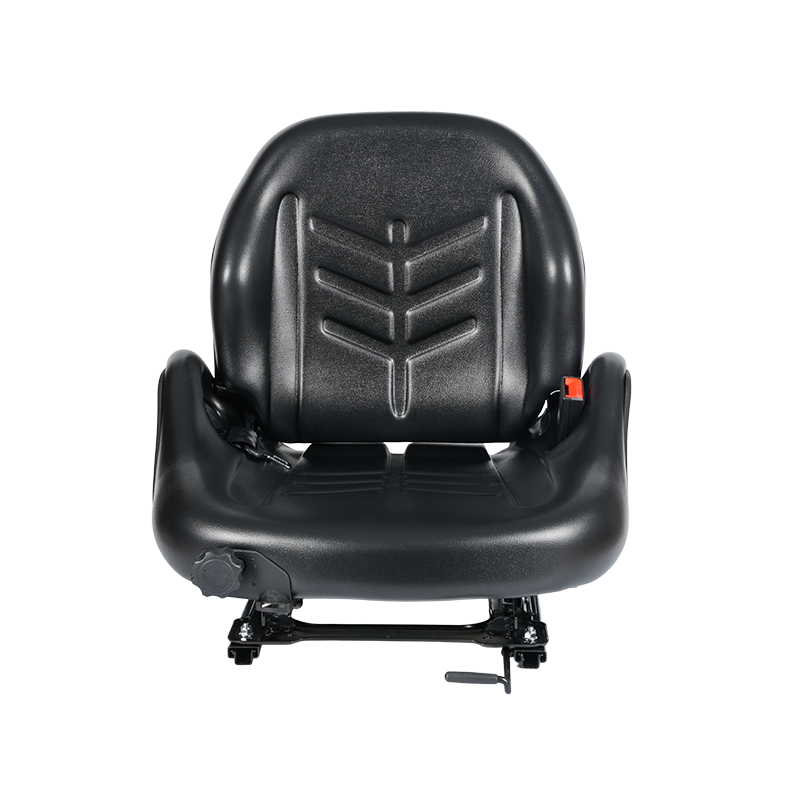
Heavy-duty industrial seats, as the name suggests, are primarily used in industrial vehicles that bear heavy loads, such as forklifts, cranes, and loaders. Unlike regular car seats, these seats need to be designed to withstand extreme working conditions, including long hours of heavy use. They are often made from special materials and structural designs to bear the pressure from vehicle operation, vibration, and work environments.
The function of heavy-duty seats goes beyond basic seat support. They must possess high strength and durability to withstand continuous heavy workloads. These seats often have reinforced steel or special alloy frame structures and are equipped with more complex suspension systems to improve comfort and stability.
2. Usage Environment
The usage environment of heavy-duty industrial seats is unique and requires them to perform in highly vibratory and uneven terrains. These environments include, but are not limited to, construction sites, mining, and warehouse operations. In these settings, the seats not only need to be shock-resistant but also resistant to various harsh conditions such as humidity, dirt, and dust.
In these environments, heavy-duty industrial vehicle seats must deal with high-frequency vibrations and impacts, ensuring that operators can perform long-duration tasks in extreme conditions. Thus, selecting seats with high durability and anti-fatigue properties is essential.
3. Market Trends
As industrial technology advances, the design and technology of heavy-duty industrial seats have also been continuously innovating. From simple fixed seats in the past to multifunctional adjustable seats today, there is a growing demand in the market for comfort and functionality in vehicle seats. Especially in heavy-duty vehicles, construction machinery, and mining equipment, seat comfort directly affects the operator’s work efficiency and health.
Some new seats feature more intelligent designs, such as automatic adjustment, seat heating, and ventilation functions, which not only improve comfort but also better adapt to operators with varying body types. Moving forward, the development of heavy-duty industrial seats will focus more on providing increased comfort, intelligence, and ergonomic features.
3. Ergonomic Design of Industrial Seats
1. Benefits of Ergonomic Seats
The ergonomic seat design concept aims to minimize fatigue and discomfort during long working hours by scientifically designing the seat’s structure and function. The comfort of industrial seats is not solely dependent on the seat's softness or hardness but also on the seat’s support structure, shape, and the angle at which the seat contacts the body.
For workers engaged in heavy-duty operations, ergonomic seats are particularly significant. Ergonomically designed seats can effectively alleviate pressure on the spine and joints, reducing muscle strain and skeletal issues caused by prolonged improper seating. In high-intensity work environments, ergonomic seats can provide better support and comfort, thus reducing fatigue and improving work efficiency.
2. Common Design Features
Ergonomically designed industrial seats typically feature the following design elements:
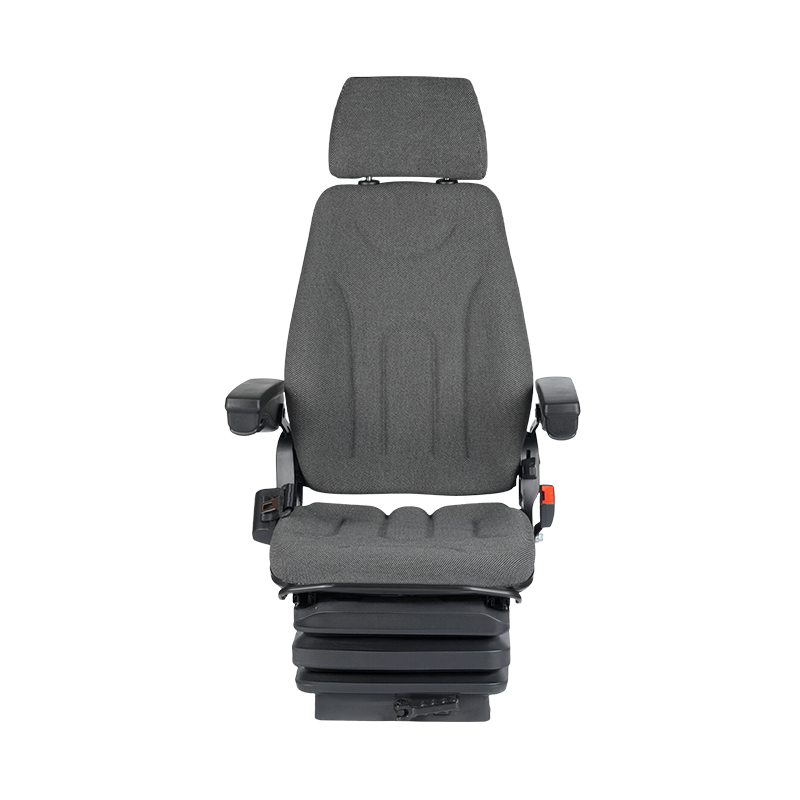
- Seat Adjustment Functions: Height, angle, backrest support, and tilt adjustments allow the seat to be customized to fit the operator’s needs, ensuring optimal support.
- Lumbar Support: Helps reduce the strain on the back, preventing and alleviating back problems caused by prolonged sitting.
- Seat Cushion and Backrest Materials and Shape: These seats are often made from breathable materials and are designed to conform to the natural curves of the body, distributing pressure evenly.
- Headrest and Armrest Design: Properly designed headrests and armrests further enhance comfort and alleviate shoulder and neck pressure caused by long-term operation.
3. Performance in Real-World Applications
The performance of ergonomic seats in practical operations often directly affects the operator’s attitude and work efficiency. For instance, on construction sites, operators may need to operate heavy machinery for extended periods. In such cases, the comfort and adjustability of ergonomic seats can significantly reduce fatigue and ensure that operators remain focused on their tasks.
Furthermore, many companies are increasingly recognizing the role ergonomic seats play in improving employee health, and as a result, these seats are often included as part of employee benefits, thereby improving employee satisfaction and work efficiency.
4. Suspension Systems in Industrial Vehicle Seats
1. Role of Suspension Systems
The suspension system in industrial vehicle seats is a crucial component. Its primary function is to reduce the vibration and shocks that are transferred to the operator's body during the operation of industrial vehicles. When using vehicles such as forklifts, cranes, and other heavy-duty machines, operators often drive on uneven terrain, and the suspension system plays a key role in absorbing these vibrations.
A well-designed suspension system can significantly reduce the impact of vibrations on operators, reducing fatigue caused by continuous exposure to such conditions. This not only improves operator comfort but also prevents work-related injuries such as spine damage and joint issues.
2. Types and Technologies
Modern industrial vehicle seat suspension systems typically come in two main types:
- Air Suspension Systems: These systems use air pressure to adjust the seat's suspension hardness, providing a smoother ride that automatically adjusts to varying ground conditions, ensuring better stability.
- Spring Suspension Systems: These systems rely on metal springs to absorb shocks. While simpler in structure, they provide stable performance and are commonly used in most industrial vehicles.
While the working principles of these suspension systems differ, their shared goal is to minimize the vibrations operators experience, thus helping maintain a good posture and health during long working hours.
3. Enhancing Work Efficiency
A high-quality seat suspension system not only enhances operator comfort but also directly boosts work efficiency. In tasks requiring precise control, reducing vibrations helps operators maintain stable control over the machinery, resulting in more accurate and efficient task completion.
5. Durability of Industrial Vehicle Seats: Material Selection
1. Importance of Durable Materials
The materials used in industrial vehicle seats directly affect both comfort and durability. Due to the harsh work environments that industrial vehicles operate in, the seats must endure extreme temperature changes, high humidity, frequent vibrations, and physical wear. Therefore, selecting durable materials for the seats is essential to ensuring their longevity.
When selecting seat materials, several factors must be considered:
- Wear Resistance: Industrial vehicle seats often operate in harsh conditions, where they are exposed to frequent friction and wear. Therefore, materials that are highly resistant to wear and tear are necessary.
- Corrosion Resistance: Some industrial vehicles operate in humid and saline environments, requiring seats to be made from corrosion-resistant materials to avoid damage caused by such conditions.
- Heat Resistance: In certain environments, temperature changes are extreme, and seat materials need to remain functional at both high and low temperatures without deforming or fading.
2. Environmental Impact on Material Choice
The environment in which industrial vehicle seats are used directly impacts the choice of materials. For instance, in open mining sites or construction areas, seats need to withstand exposure to dirt, mud, and high temperatures. Common materials for industrial seats include:
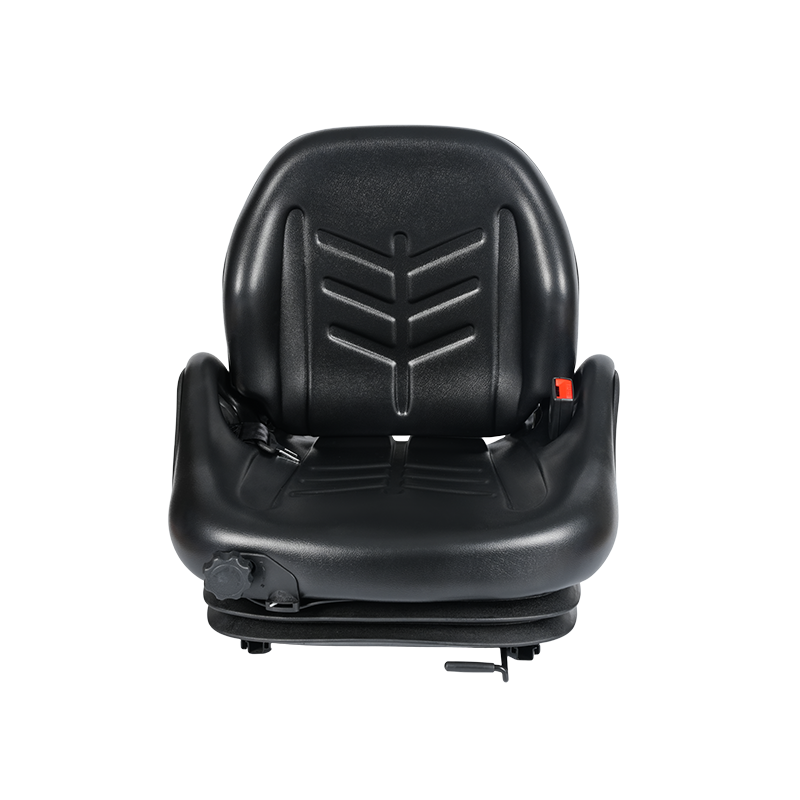
- Synthetic Leather: This material is often used in seats that require higher comfort and lower cost. It is highly durable, resistant to wear, and easy to clean.
- Polyurethane Foam: A popular seat cushion material, polyurethane foam offers good elasticity and wear resistance, effectively distributing pressure and enhancing comfort. It also has excellent water resistance and heat resistance.
- Steel Frames and Reinforced Plastics: Seat frames are typically made from steel or high-strength plastics, which provide excellent shock absorption, corrosion resistance, and durability.
3. Future Trends: Development of New Durable Materials
As technology advances, new durable materials are being developed to further enhance the performance of industrial vehicle seats. Future innovations may include the use of composite materials and smart materials, which are lighter and stronger, offering improved comfort and durability.
Composite materials combine the advantages of different materials, while smart materials can automatically adjust the hardness and comfort of the seat based on environmental conditions. For example, sensor-based seats may monitor an operator’s posture and adjust support in real time, reducing fatigue and improving comfort.
6. Adjustable Industrial Seats Flexibility
1. Advantages of Adjustable Seats
In industrial settings, operators often vary in height and body type, and their tasks may change throughout the day. Fixed seats are typically insufficient to meet these diverse needs. Therefore, adjustable seats have emerged as a critical design feature to provide flexibility and improve comfort.
The key advantage of adjustable seats is their ability to adapt to the operator’s individual requirements. Common adjustable features include seat height adjustment, tilt angle, backrest angle, and armrest position. These features enable operators to customize the seat for optimal support and comfort.
2. Meeting the Needs of Different Operators
In high-intensity work environments such as industrial production and construction, operators often need to sit for long periods. Due to individual differences in body size and posture, a fixed seat design typically cannot provide the same level of comfort for all workers. Adjustable industrial seats allow operators to find the most comfortable sitting position based on their physical characteristics.
With adjustable features like height, back support, and seat tilt, operators can adjust the seat to meet their specific needs. Additionally, some adjustable seats also come with adjustable headrests and lumbar support, which further alleviate shoulder, spine, and waist discomfort caused by long working hours.
3. Technology and Innovation
With the development of smart technology, modern adjustable seats are no longer limited to simple manual adjustments. Many high-end seats now incorporate electric adjustment functions, allowing operators to effortlessly adjust the seat position with the push of a button.
Additionally, smart seats can monitor the operator’s posture and pressure distribution using sensors, automatically adjusting the seat’s firmness and angle for optimal comfort and support. This intelligent seat design not only enhances the operator’s experience but also offers a more efficient solution for reducing fatigue and pressure during work.
7. Conclusion
In modern industrial environments, seats are one of the key components of industrial vehicles. They influence operator comfort, health, and overall work efficiency. From heavy-duty seats and ergonomic designs to suspension systems and material choices, every aspect of industrial vehicle seat technology is focused on improving comfort, durability, and safety.
With continuous advancements in technology, the future of industrial vehicle seats will be increasingly intelligent and personalized. Seats will be designed to offer better support, comfort, and durability tailored to specific work environments and operator needs. Innovations in materials and seat adjustment functions will further elevate the quality of the work experience for operators in demanding industrial settings.
As more durable and adaptive materials are developed, flexible seat adjustment features are introduced, and smart technologies become integrated, industrial vehicle seats will continue to play an essential role in enhancing operator performance and well-being.
-
-
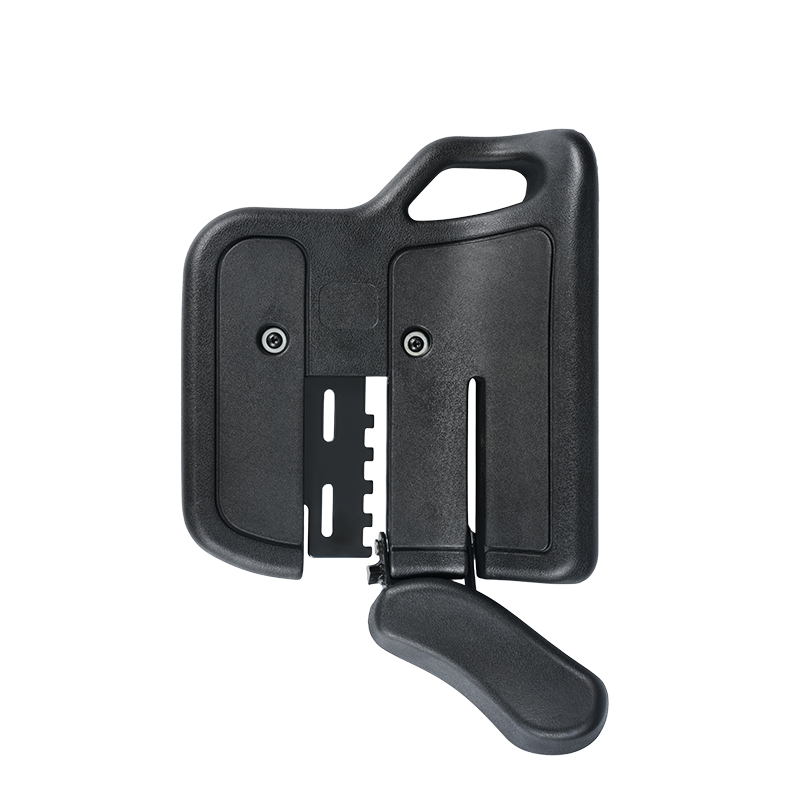
BF3 Single-Mold Polyurethane Eco-Friendly Seat with Vehicle-Contoured Design | Cost-Efficient Abrasion-Resistant Version for Stand-On Reach Forklifts
Copyright @ Hangzhou Benfeng Auto Seat Co., Ltd. All rights reserved Privacy OEM/ODM Ergonomic Industrial Seats Manufacturers
浙ICP备20022099号