
 中文简体
中文简体 English
 Français
 Español
 عربى
عربى-

(86)-0571-82550327
-

info@bfseats.com
-




What is a Universal Replacement Forklift Seat?
Content
Introduction: The Critical Role of the Operator's Throne
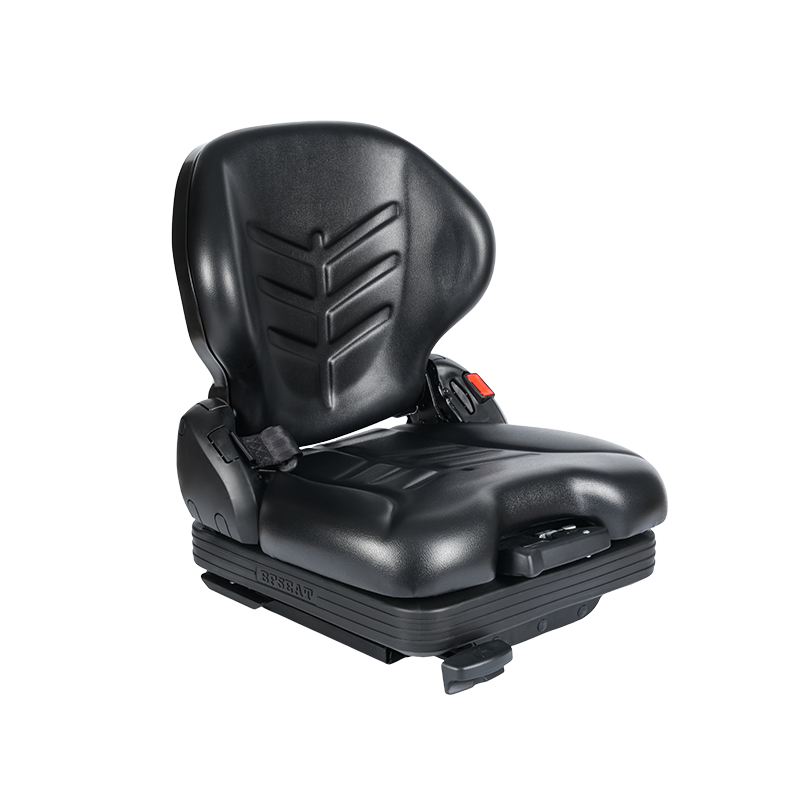
In the demanding world of material handling, the forklift seat is far more than a simple place to sit. It is a vital piece of equipment that directly influences operator safety, productivity, and long-term well-being. Hours spent on a worn, uncomfortable, or poorly supportive seat lead to premature fatigue, reduced concentration, and increased risk of musculoskeletal disorders. This not only compromises the operator's health but also impacts the efficiency and safety of the entire operation. A high-performance seat acts as the primary interface between the machine and the human, absorbing shocks from uneven floors, providing essential lumbar support, and allowing the operator to maintain optimal control and visibility. When an original seat fails or shows its age, finding a suitable replacement is crucial. This is where the universal replacement forklift seat comes into play. Engineered to offer broad compatibility across various makes and models, these seats provide a practical, cost-effective solution for fleet managers and equipment owners looking to restore comfort, safety, and functionality without the complexities and cost of sourcing an exact original equipment manufacturer (OEM) part. Understanding the features, benefits, and selection criteria for these seats is key to making an informed investment in both your equipment and your workforce.
- Productivity Link: A comfortable operator is an alert, efficient operator, leading to fewer errors and higher throughput.
- Safety Foundation: Proper support and secure mounting are fundamental to operator stability and control, especially during lifting and travel.
- Ergonomic Necessity: Designed to reduce physical strain, a good seat minimizes the risk of back pain and fatigue over long shifts.
Core Value: Why Choose a Universal Replacement Seat?
The decision to opt for a universal replacement forklift seat over an OEM part is driven by several compelling practical and economic factors. For fleets comprising multiple brands or older models, sourcing individual OEM seats can be a logistical and financial challenge. OEM parts often come with a premium price tag and can have long lead times, particularly for discontinued models. A universal replacement forklift seat is designed with adaptability in mind, featuring adjustable mounting brackets or a pattern of holes that accommodates a wide range of installation points. This versatility makes it an ideal, one-size-fits-many solution for maintenance departments, reducing the need to stock multiple unique seat types. Furthermore, the aftermarket for universal seats fosters competition, often resulting in better value, innovative comfort features, and faster availability compared to going directly through the original equipment channel. A thorough OEM vs universal forklift seat cost comparison will typically reveal significant savings with the universal option, without necessarily sacrificing quality or durability when selected from a reputable manufacturer.
- Cost Efficiency: Significantly lower upfront cost compared to most OEM seats, offering excellent value.
- Broad Compatibility: One seat can fit many different forklift models, simplifying inventory and procurement.
- Rapid Availability: Widely stocked by industrial suppliers, leading to shorter downtime for repairs.
- Upgrade Potential: Often allows you to install a seat with better features (like suspension or armrests) than the original basic model.
Key Feature Breakdown: Defining an Excellent Universal Seat
Comfort is King: Elements of the Best Seat
Identifying the best universal forklift seat for comfort requires looking at several ergonomic components. The seat cushion should use high-density, slow-rebound foam that contours to the body without bottoming out, providing even weight distribution. The backrest must offer pronounced lumbar support to maintain the spine's natural curve. Adjustability is paramount: look for seats that allow for easy fore/aft slide, backrest angle tilt, and adjustable lumbar support to fit a wide range of operator sizes. For environments with rough floors, a built-in mechanical or pneumatic suspension system is a game-changer, isolating the operator from vibrations and impacts. These features collectively combat fatigue, making the search for the best universal forklift seat for comfort a direct investment in operator retention and performance.
- Contoured Cushioning: High-resilience foam that provides support and prevents pressure points during long shifts.
- Adjustable Lumbar: A must-have feature to support the lower back and reduce strain, customizable to the individual operator.
- Suspension System: A quality suspension absorbs up to 70% of vertical shocks, drastically improving ride quality on uneven surfaces.
Durability as a Core: Built for Heavy Duty
For harsh environments like ports, lumber yards, or foundries, a standard seat won't last. This is the domain of the heavy duty forklift seat replacement kit. These seats are overbuilt for survival. Key features include a reinforced steel or robust polymer frame that can withstand high dynamic loads and impacts. The upholstery is a critical differentiator; look for industrial-grade vinyl or fabric that is resistant to abrasion, tearing, oils, greases, and UV radiation. Stitching should be double-stitched or welded for maximum strength. All metal components should have a corrosion-resistant finish, such as powder coating or galvanization, to endure outdoor or wash-down conditions. Investing in a true heavy duty kit reduces replacement frequency and total cost of ownership in demanding applications.
Features and Accessories: The Details Matter
Additional features can transform a basic seat into a superior workspace. A universal replacement forklift seat with armrests provides crucial support for the operator's arms and shoulders, reducing fatigue during precision work and improving overall upper body stability. Other valuable accessories include integrated safety belt mounting points for enhanced safety, convenient side pockets for tools or personal items, and even heating elements for cold storage operations. When selecting a seat, consider which of these ancillary features will deliver tangible benefits for your specific operational context and operator needs.
| Feature | Benefit | Ideal For |
| Armrests | Reduces shoulder/arm fatigue, improves control | Precision load handling, long-duration shifts |
| Integrated Seatbelt Points | Ensures proper, secure restraint installation | All applications, especially high-risk or rough terrain |
| Suspension (Mechanical/Pneumatic) | Isolates operator from vibration and shock | Uneven concrete, outdoor yards, block yards |
| Heavy-Duty Upholstery | Resists punctures, chemicals, and weathering | Recycling, demolition, maritime, food processing |
Installation Guide: From Purchase to Operation
Installing a universal replacement forklift seat is generally a straightforward task that can be completed with basic tools. Proper preparation ensures a safe and successful installation.
Pre-Installation: Measurement and Safety
Before purchasing, accurately measure your existing seat's mounting pattern (the distance between bolt holes) and the overall dimensions of the seat base. Ensure the new seat's specifications match or can be adapted to fit. Critically, before starting any work, follow lock-out/tag-out procedures. Park the forklift on level ground, lower the forks, set the parking brake, and disconnect the battery (especially important for electric models) to prevent accidental movement or electrical shorts.
Step-by-Step Installation Guide
Following a clear process is key to learning how to install a universal forklift seat correctly.
- Remove the Old Seat: Unbolt the old seat from its base. Carefully disconnect any electrical connections for the seat switch (which prevents operation unless the operator is seated) or safety belt sensor.
- Prepare the New Seat: If your universal seat has adjustable mounting brackets, set them to match the hole pattern on your forklift's floor plate. Attach any included hardware.
- Position and Secure: Carefully place the new seat onto the mounting points. Insert and hand-tighten all mounting bolts. Ensure the seat is centered and aligned correctly.
- Final Torque and Connections: Using a torque wrench, tighten the bolts to the manufacturer's specified torque to ensure a secure, rattle-free fit. Reconnect any electrical wiring, ensuring connections are clean and tight.
- Test and Adjust: Reconnect the battery. Test the seat switch functionality by trying to operate the forklift without sitting on the seat (it should not move). Finally, adjust the seat's fore/aft position and backrest angle to the operator's preference.
Decision Guide: OEM vs. Universal - A Comprehensive Comparison
The choice between OEM and universal is not always clear-cut. A detailed OEM vs universal forklift seat cost comparison should encompass more than just the purchase price.
| Comparison Factor | OEM Seat | Universal Replacement Seat |
| Initial Purchase Price | Typically Highest | Significantly Lower |
| Perfect Fit Guarantee | Guaranteed | High Probability (with proper measurement) |
| Feature & Comfort Level | Matches original spec; may be basic | Often offers upgraded comfort features |
| Lead Time/Availability | Can be long for specific models | Generally readily available |
| Warranty Coverage | Covered by OEM machine warranty (if applicable) | Warranty from seat manufacturer only |
| Best For | Newer machines under warranty, lease returns, where exact match is legally required | Older fleets, budget-conscious ops, comfort upgrades, mixed-brand fleets |
Choose an OEM seat when dealing with new equipment under warranty, or when a lease agreement requires original parts. Opt for a high-quality universal replacement forklift seat when managing cost, minimizing downtime, upgrading operator comfort, or maintaining a diverse fleet of older equipment.
FAQ
Will a universal seat fit my specific forklift model?
Most universal replacement forklift seat models are designed to fit a wide array of popular forklift makes and models through adjustable mounting brackets or slotted holes. The key to ensuring a fit is accurate measurement before purchase. You need to measure the bolt hole pattern (center-to-center distance) on your current seat base and the overall space available. Reputable suppliers provide detailed dimension charts and fit guides. While not a 100% guarantee for every obscure model, a universal seat successfully fits the vast majority of common industrial trucks when the measurements align.
Is it difficult to install a universal forklift seat myself?
For anyone with basic mechanical skills and tools, learning how to install a universal forklift seat is a manageable task. The process typically involves removing 4-6 bolts, disconnecting a simple electrical plug for the safety switch, and then reversing the steps with the new seat. The most critical aspects are following safety procedures (disconnecting the battery) and ensuring the new seat is securely torqued down. Most seats come with clear instructions. If you are uncomfortable with the electrical connection or lack the proper tools, having a qualified technician perform the installation is recommended.
Are universal seats as safe and durable as OEM seats?
Yes, a high-quality universal replacement forklift seat from a reputable manufacturer can be just as safe and durable as an OEM seat, and in some cases, more so. The key is to select a seat that meets or exceeds relevant safety standards (look for mentions of ISO, CE, or ANSI/B56 compliance). Seats marketed as part of a heavy duty forklift seat replacement kit often use materials and construction techniques designed to surpass the durability of standard OEM seats, especially for older models. Always review the specifications, materials, and warranty to assess the seat's build quality.
What is the most important feature for comfort in a forklift seat?
While cushioning is important, the single most impactful feature for long-term comfort when searching for the best universal forklift seat for comfort is adjustable lumbar support. The lower back is the area most susceptible to strain during seated operation. A seat with a lumbar support that can be adjusted for both height and firmness allows each operator to customize the support to their spine's natural curve, preventing slouching and reducing fatigue. This, combined with a quality suspension system for vibration damping, forms the foundation of a truly comfortable operator experience.
-
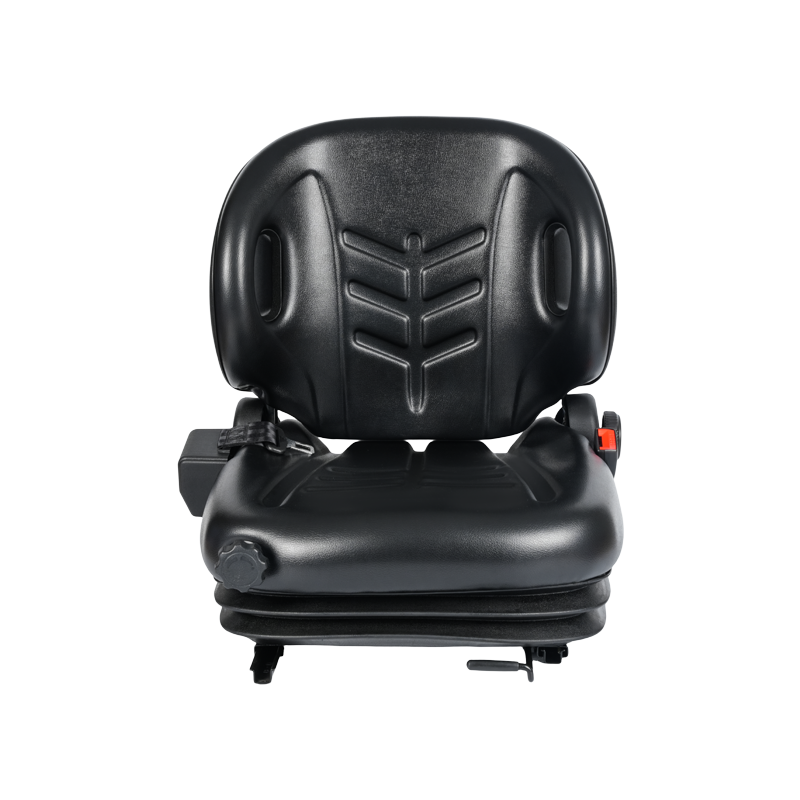
BF2-3AB EN 13490 IT1+IT2 Certified Counterbalance Forklift Seat with Mechanical Suspension OPS Switch & Universal Multi-Function Mounting System Compatible with Toyota Jungheinrich
-
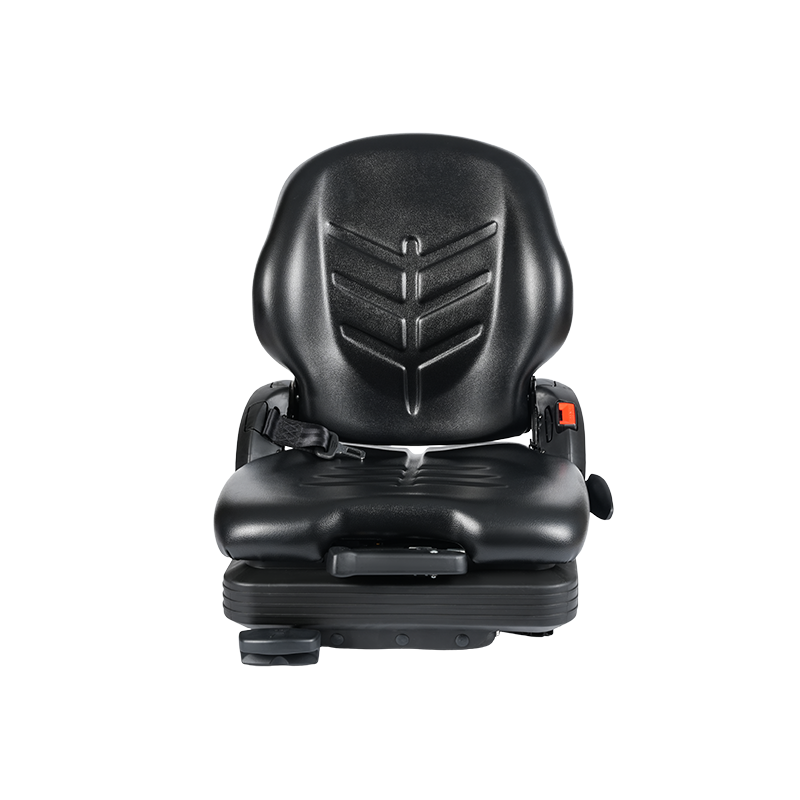
BF16 Low-Profile Vinyl Replacement Mechanical Suspension Seat for Material Handling Forklift Equipment - Black with EN 13490 IT1+IT2
-
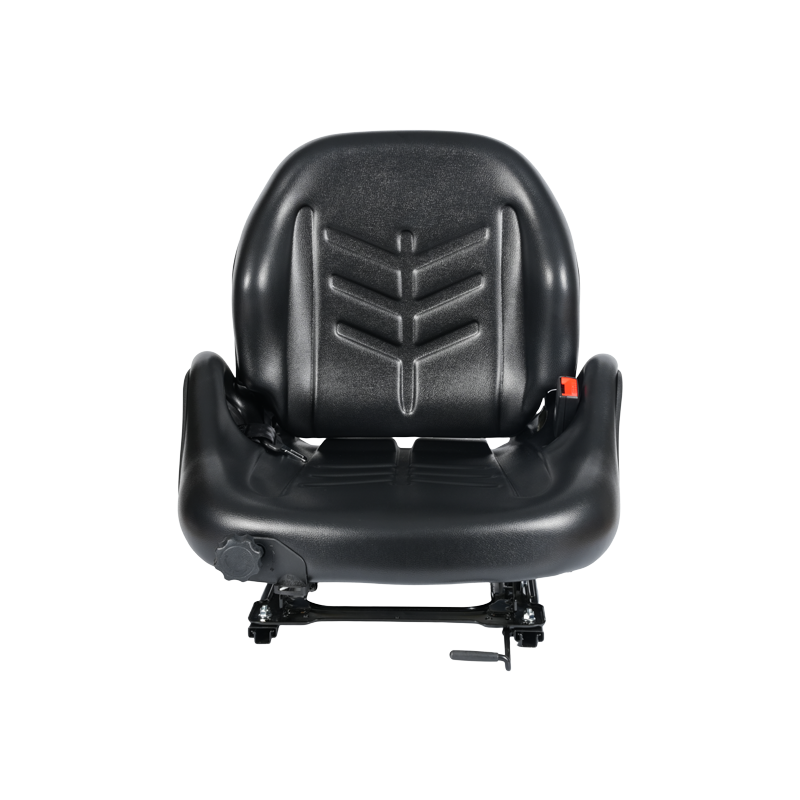
BF5-3 EN 13490 IT1+IT2 Certified Suspension Seat with safety belt & OPS (Operator Presence Switch) | Wide-Operator Design Compatible with Hangcha, Nissan, TCM, Mitsubishi Forklifts
-
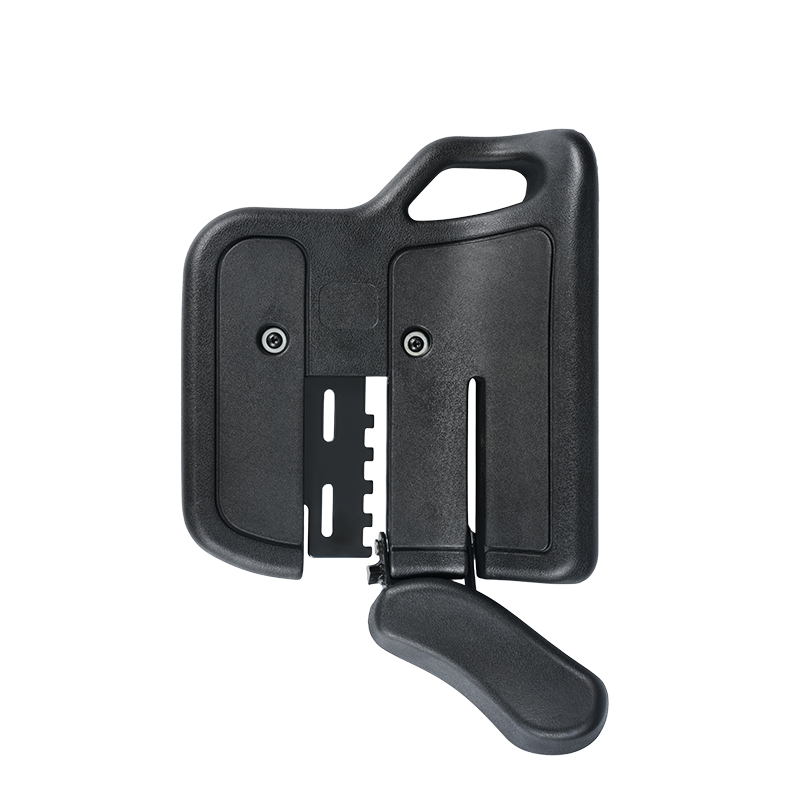
BF3 Single-Mold Polyurethane Eco-Friendly Seat with Vehicle-Contoured Design | Cost-Efficient Abrasion-Resistant Version for Stand-On Reach Forklifts
-
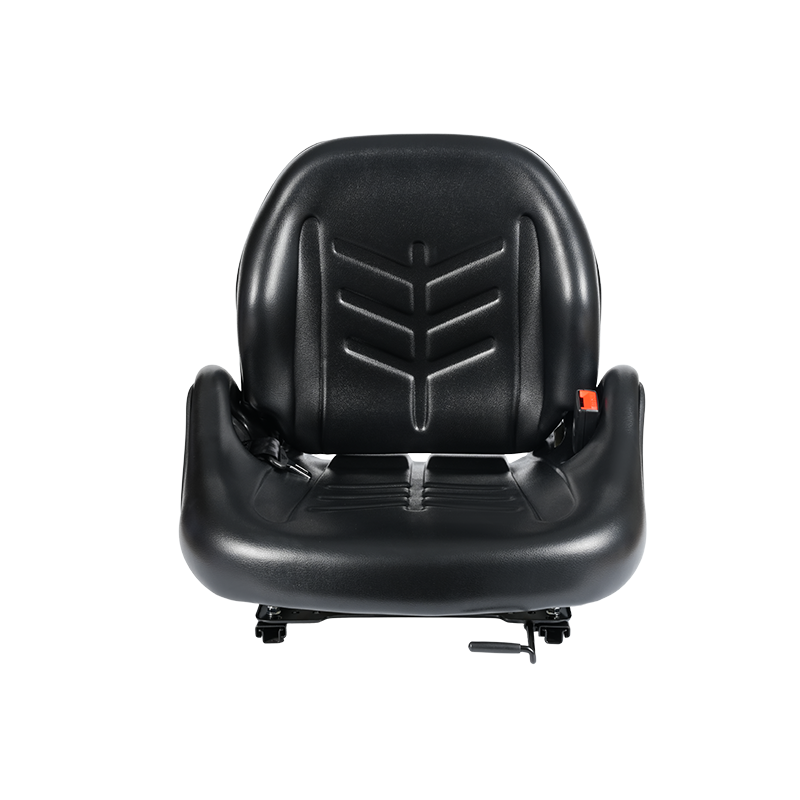
BF5-2 CE-Certified Reliable Forklift Seat with Retractable safety belt Compatible with Hangcha, TCM, Nissan
-
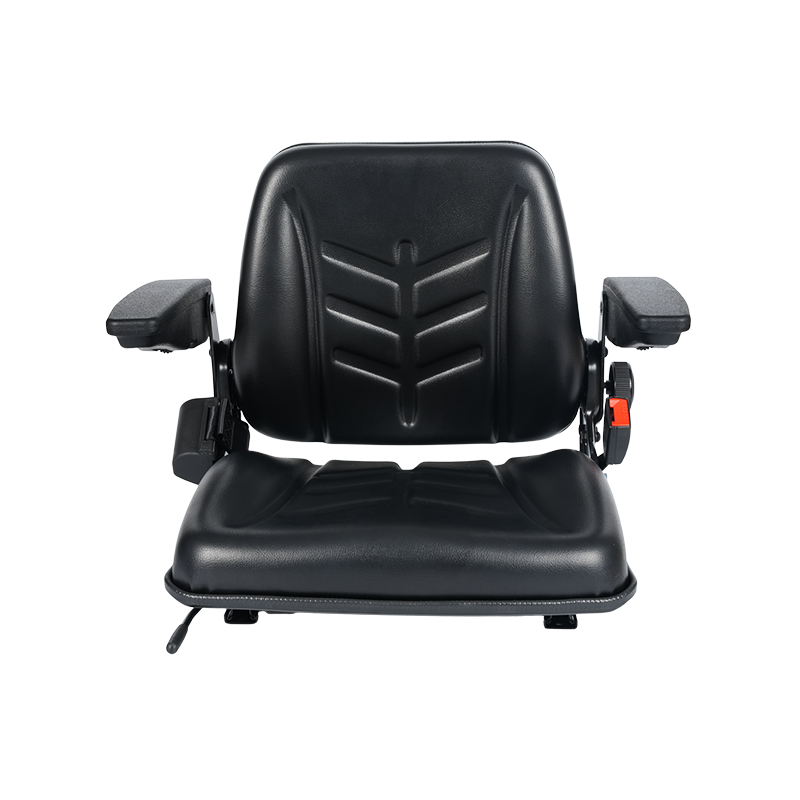
BF8-2ABCD Comfortable Safety Economical Forklift Seat for Internal combustion forklifts with Seat Belt
Copyright @ Hangzhou Benfeng Auto Seat Co., Ltd. All rights reserved Privacy OEM/ODM Ergonomic Industrial Seats Manufacturers
浙ICP备20022099号