
 中文简体
中文简体 English
 Français
 Español
 عربى
عربى-

(86)-0571-82550327
-

info@bfseats.com
-




What Is a Universal Replacement Forklift Seat?
Content
- 1 Why Upgrade Your Forklift Seat?
- 2 How to Choose the Right Universal Seat for Your Forklift Model?
- 3 Who Provides Certified, High-Performance Forklift Seats?
- 4 Conclusion: How to Ensure Forklift Operator Comfort and Compliance?
- 5 Frequently Asked Questions (FAQ)
- 5.1 1. Will a universal replacement forklift seat fit my specific forklift model?
- 5.2 2. What is the difference between a mechanical suspension seat and an air suspension seat?
- 5.3 3. How do I know if my heavy duty replacement seat for forklift with suspension is adjusted correctly for the operator's weight?
- 5.4 4. Are seats with integrated safety belts safer than those using vehicle-mounted belts?
- 5.5 5. What do certifications like EN 13490 and ISO 7096 mean for a forklift seat?
- 6 References
A universal replacement forklift seat is a critical component designed to replace worn or damaged original equipment manufacturer (OEM) seats across various forklift models and brands. Unlike model-specific seats, universal seats are engineered with adjustable mounting systems and standardized dimensions to fit a wide range of industrial vehicles. For fleet managers, maintenance engineers, and procurement specialists, selecting the correct replacement seat is not just about comfort—it is a matter of operator safety, productivity, and compliance with international vibration and ergonomics standards. This article provides a technical deep dive into the selection, features, and standards governing universal forklift seats.
Why Upgrade Your Forklift Seat?
The forklift seat is the primary interface between the operator and the machine. A worn-out or inadequate seat contributes to operator fatigue, lower back pain, and reduced concentration, which directly impacts safety and productivity. Furthermore, seats are a critical part of the whole-body vibration (WBV) transmission path. Upgrading to a modern universal replacement forklift seat with proper suspension can significantly reduce WBV exposure, helping employers meet occupational health regulations.
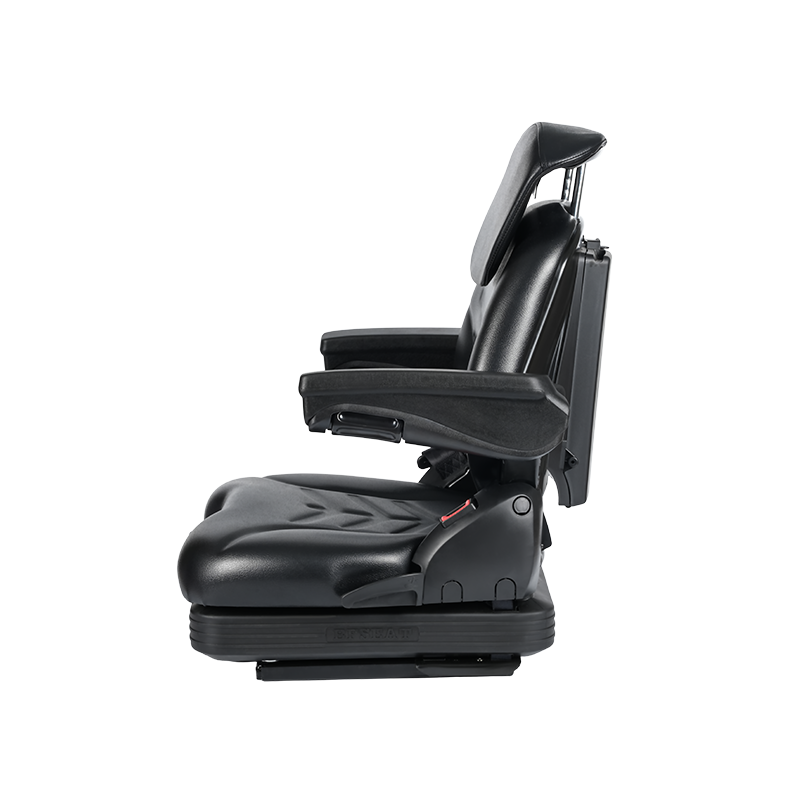
What Does a Universal Forklift Seat with Retractable Seatbelt Offer?
A universal forklift seat with retractable safety belt integrates a critical safety feature directly into the seat assembly. In many industrial environments, safety belts are mandatory to protect operators during tip-over incidents. A retractable belt offers several engineering advantages over a fixed-length belt. First, it automatically adjusts to the operator's size, ensuring proper fit without manual adjustment. Second, the retractor mechanism includes an inertia locking system. In a sudden stop or rollover, the belt locks instantly, restraining the operator. When choosing such a seat, engineers must verify that the retractor mechanism meets relevant safety standards, such as those requiring a certain locking threshold and webbing strength. The belt is typically anchored to the seat frame, not the vehicle floor, which simplifies installation and ensures the restraint moves with the seat during suspension travel.
How Does a Heavy Duty Replacement Seat for Forklift with Suspension Improve Operator Safety?
A heavy duty replacement seat for forklift with suspension is designed for rough terrain and high-shift usage. Forklifts operating in lumber yards, construction sites, or recycling facilities expose operators to constant jolts and vibrations. A seat with a mechanical or air suspension system acts as a low-pass filter. It isolates the operator from high-frequency, high-amplitude vibrations originating from the vehicle's movement over uneven surfaces. This isolation reduces the transmission of energy to the spine, thereby lowering the risk of long-term musculoskeletal disorders. Heavy-duty seats typically feature a heavier-duty damper and spring mechanism, adjustable to the operator's weight (usually ranging from 50 kg to 130 kg). Some advanced models include a height adjuster and a sliding backrest to optimize the operator's line of sight and reach to controls. By maintaining better posture and reducing fatigue, the operator can maintain better control of the vehicle, directly improving safety.
How to Choose the Right Universal Seat for Your Forklift Model?
Selecting the right universal seat involves more than just picking a comfortable cushion. It requires a careful analysis of mounting geometry, operator weight range, and the specific vibration characteristics of the vehicle. The following sections address common brand-specific considerations.
Finding a Universal Forklift Seat for Toyota Forklift Models: Key Mounting Considerations
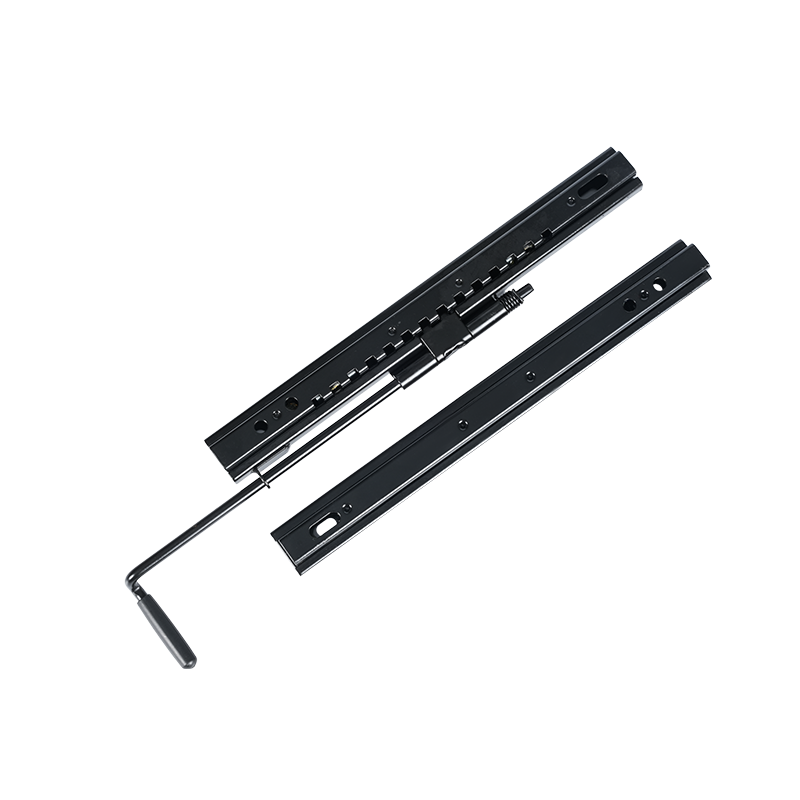
When seeking a universal forklift seat for Toyota forklift models, the primary challenge is the mounting pattern. Toyota forklifts, like many other brands, often have a specific bolt hole configuration on the floor plate. A true universal seat includes a mounting plate or a set of adjustable rails that can accommodate multiple patterns. Engineers must measure the center-to-center distance of the mounting holes on the existing seat base. Common patterns include a 200mm x 250mm rectangle or a specific four-bolt pattern. The universal seat's slide rail assembly must align with this pattern or have adapters available. Another consideration is the seat height. The universal seat's cushion height, when combined with the suspension at its mid-point, must place the operator's eyes within the designed visibility envelope of the Toyota model. An excessively high seat can impair overhead clearance vision, while a seat that is too low may reduce visibility over the hood.
What to Look for in a Universal Replacement Seat for Hyster Forklift?
Selecting a universal replacement seat for Hyster forklift requires attention to the specific durability needs of these often heavy-duty vehicles. Hyster forklifts are common in demanding environments like ports and steel mills. Therefore, the universal seat chosen should be from the "heavy duty" category. Look for seats with robust upholstery materials, such as reinforced vinyl or even leather, that resist cuts and abrasion from tools or debris. The seat controls, such as the weight adjustment knob and the slide rail lever, should be large and easy to operate with gloved hands. Additionally, Hyster models may have specific clearance requirements for the seat back when the operator looks behind during reversing. The universal seat should have a low-profile backrest or one that does not obstruct rearward vision excessively. Checking the seat's overall height and depth against the cab dimensions of the specific Hyster model is a crucial step before purchase.
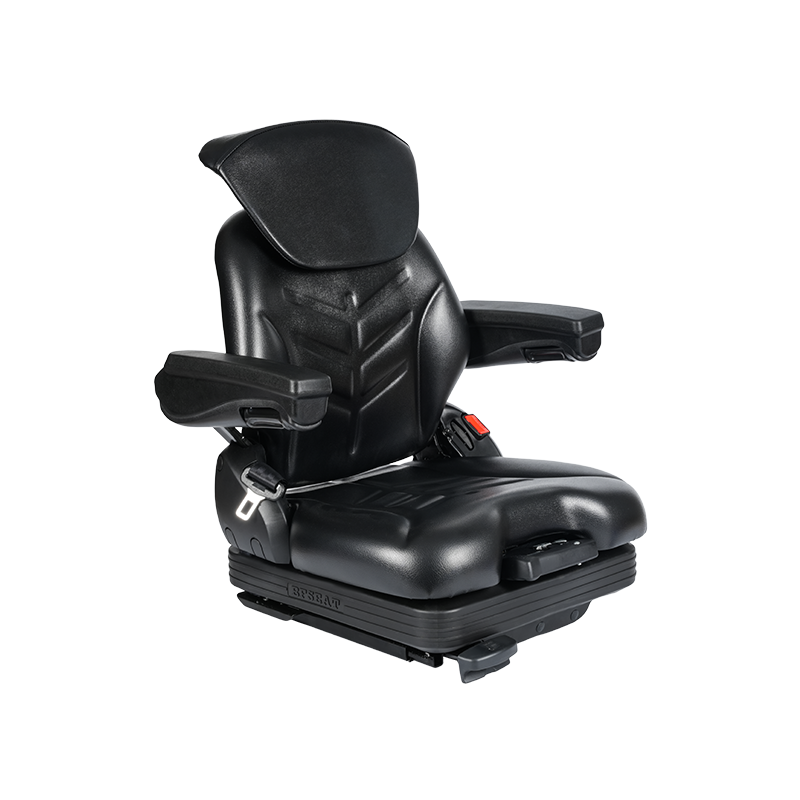
Why Install a Waterproof Vinyl Universal Forklift Seat Cover?
Installing a waterproof vinyl universal forklift seat cover is a cost-effective maintenance strategy. Forklift seats are exposed to a variety of contaminants: rain, sweat, grease, oil, and cleaning chemicals. The original upholstery, even if durable, will eventually degrade. A high-quality waterproof vinyl cover acts as a sacrificial layer. It protects the underlying OEM or replacement seat foam and fabric from moisture absorption and chemical attack. This extends the life of the seat itself. For fleet managers, using a standardized cover across all vehicles also creates a uniform, professional appearance. From an ergonomic perspective, some covers are designed with breathable mesh inserts to improve air circulation, reducing operator discomfort during long shifts in hot environments. The cover must be designed with cutouts that do not interfere with seat controls, safety belt mechanisms, or operator presence switches.
Who Provides Certified, High-Performance Forklift Seats?
For B2B buyers and OEMs, sourcing seats from a manufacturer with proven engineering credentials and industry certifications is essential. Hangzhou Benfeng Auto Seat Co., Ltd., established in 2007, is one of the standard-setting units of the "People's Republic of China Machinery Industry Standard JB/T13693-2019 - Industrial Vehicle Driver Seat." This involvement in defining national standards demonstrates a deep understanding of the technical requirements for industrial seats. The company has obtained the title of Zhejiang High-tech Enterprise and the Specialized and New Enterprise. It has focused on the development, design, and production of off-road construction machinery seats for many years, operating a production base of 14,000 square meters with an annual output of 200,000 sets. The company is committed to providing safe and comfortable seat solutions for material handling forklifts, loaders, tractors, cleaning equipment, and other machinery. It maintains friendly and long-term cooperative relationships with well-known global brands. The company has passed ISO 9001, ISO3834, ISO14001, and ISO45001 certifications. Its products hold several national invention patents and utility model patents, as well as international CE certification. Critically for B2B buyers, some products have passed the rigorous European EN 13490 IT1、IT2, and ISO 7096 EM1+EM7 vibration tests, confirming their performance in reducing whole-body vibration.
Conclusion: How to Ensure Forklift Operator Comfort and Compliance?
Ensuring operator comfort and regulatory compliance requires a holistic approach to seat selection and maintenance. For basic safety upgrades, a universal forklift seat with retractable safety belt is a direct improvement. For high-vibration environments, a heavy duty replacement seat for forklift with suspension is a non-negotiable investment. When replacing seats for specific fleets, understanding the nuances of a universal forklift seat for Toyota forklift models or a universal replacement seat for Hyster forklift ensures a proper fit and safe operation. Finally, protecting that investment with a waterproof vinyl universal forklift seat cover extends service life. By sourcing seats from manufacturers with proven expertise, such as those involved in setting industry standards and holding international vibration certifications, businesses can significantly improve operator well-being and meet the most demanding workplace safety requirements.
Frequently Asked Questions (FAQ)
1. Will a universal replacement forklift seat fit my specific forklift model?
Most universal seats are designed with adjustable slide rails and mounting plates to accommodate a wide range of bolt patterns. However, you must measure the center-to-center distance of your existing seat mounting holes and the available space in the operator compartment. Compare these measurements with the adjustment range specified by the seat manufacturer. For very old or unusual models, some modification to the mounting plate may be necessary.
2. What is the difference between a mechanical suspension seat and an air suspension seat?
A mechanical suspension seat uses a large coil spring and a hydraulic damper (shock absorber) to isolate vibration. The operator adjusts the spring pre-load to match their weight. An air suspension seat uses a compressed air bag or bladder. It often provides a more precise and adjustable ride, automatically maintaining the seat at a mid-ride height regardless of operator weight, but it requires a compressed air source from the vehicle.
3. How do I know if my heavy duty replacement seat for forklift with suspension is adjusted correctly for the operator's weight?
Most suspension seats have a weight indicator scale on the adjustment knob. To check the adjustment, the operator should sit in the seat with a normal posture. The suspension should compress to approximately the middle of its travel range. If it compresses fully (bottoming out), increase the tension. If it barely moves (topping out), decrease the tension. The suspension should move freely over bumps without hitting its stops.
4. Are seats with integrated safety belts safer than those using vehicle-mounted belts?
Integrated safety belts offer specific advantages. Because the belt is anchored to the seat frame, the restraint moves with the operator as the seat suspension cycles. This maintains consistent belt geometry and comfort. In a vehicle-mounted belt, the suspension movement can change the belt tension and fit. Integrated belts also simplify installation, as there is no need to find or verify anchor points on the vehicle floor.
5. What do certifications like EN 13490 and ISO 7096 mean for a forklift seat?
EN 13490 and ISO 7096 are international standards that specify laboratory tests for measuring the vibration transmission of seats. A seat that passes the EM1 (for counterbalanced forklifts) or EM7 (for rough terrain trucks) levels has been tested on a vibration simulator and proven to effectively reduce the transmission of specific vibration spectrums to the operator. This certification is often required by employers to demonstrate due diligence in protecting operators from whole-body vibration risks.
References
- International Organization for Standardization. (2021). ISO 7096:2020 Earth-moving machinery — Laboratory evaluation of operator seat vibration.
- European Committee for Standardization. (2021). EN 13490:2021 Mechanical vibration - Evaluation of vibration emission of seats for industrial trucks.
- Ministry of Industry and Information Technology of the People's Republic of China. (2019). JB/T 13693-2019 Industrial Vehicle Driver Seat.
- Occupational Safety and Health Administration (OSHA). (2023). Powered Industrial Trucks Standard (29 CFR 1910.178).
- International Organization for Standardization. (2018). ISO 3411:2007 Earth-moving machinery — Physical dimensions of operators and minimum operator space envelope.
- American National Standards Institute. (2022). ANSI/ITSDF B56.1 Safety Standard for Low Lift and High Lift Trucks.
-
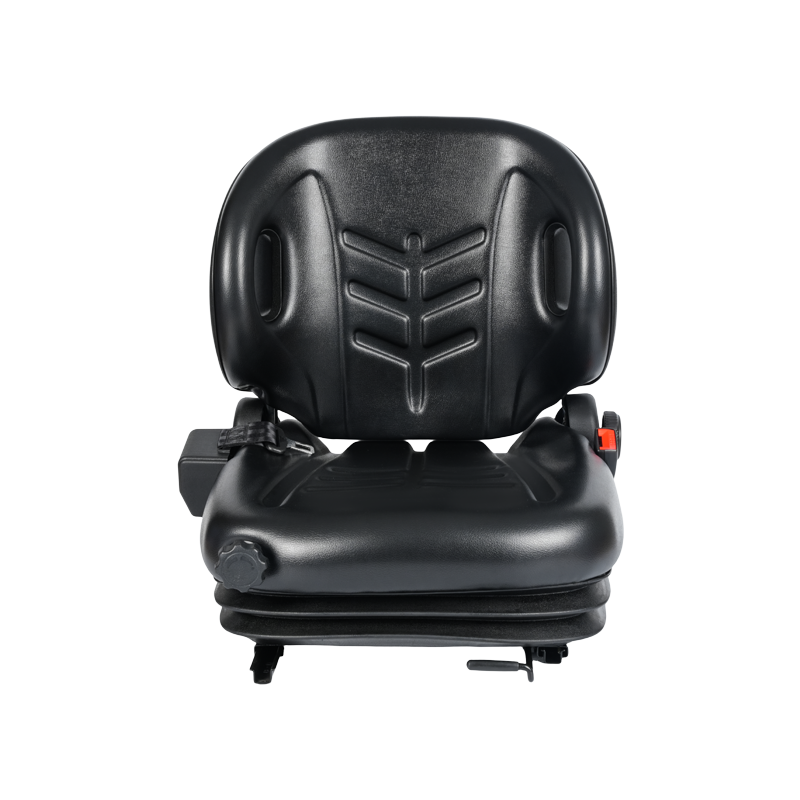
BF2-3AB EN 13490 IT1+IT2 Certified Counterbalance Forklift Seat with Mechanical Suspension OPS Switch & Universal Multi-Function Mounting System Compatible with Toyota Jungheinrich
-
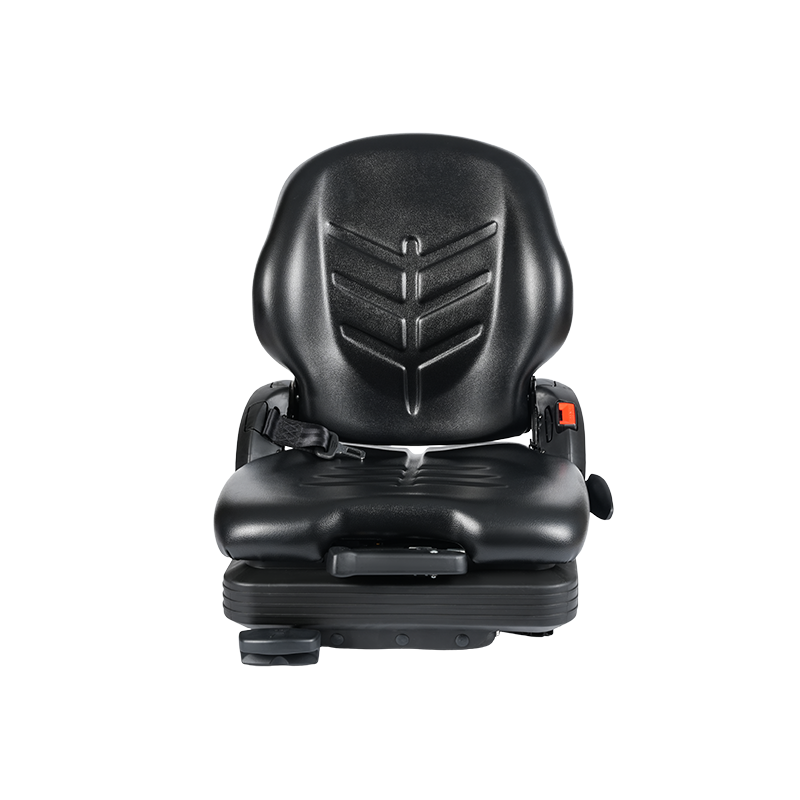
BF16 Low-Profile Vinyl Replacement Mechanical Suspension Seat for Material Handling Forklift Equipment - Black with EN 13490 IT1+IT2
-
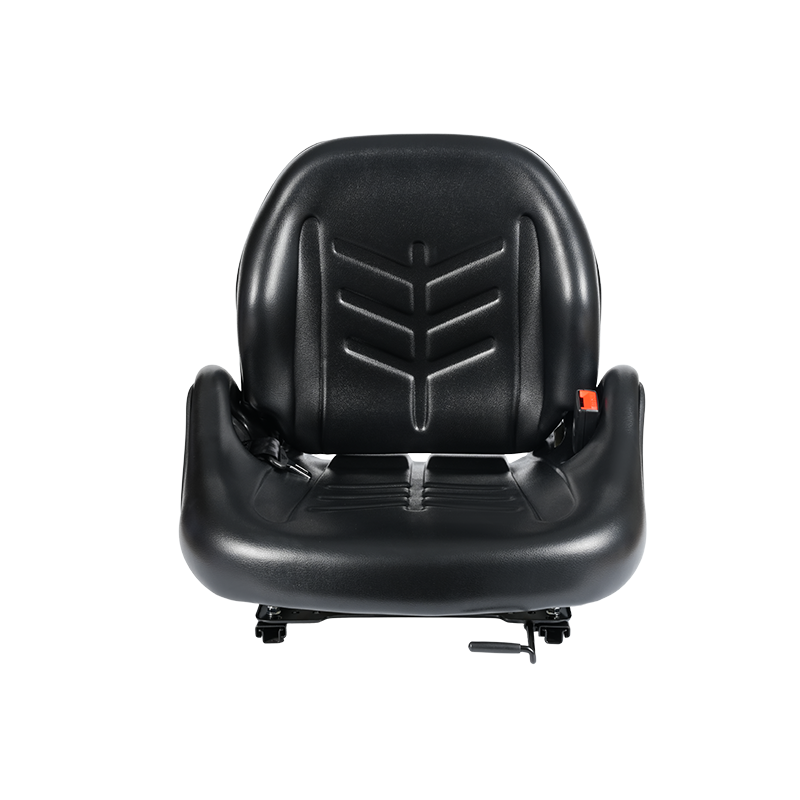
BF5-2 CE-Certified Reliable Forklift Seat with Retractable safety belt Compatible with Hangcha, TCM, Nissan
Copyright @ Hangzhou Benfeng Auto Seat Co., Ltd. All rights reserved Privacy OEM/ODM Ergonomic Industrial Seats Manufacturers
浙ICP备20022099号