
 中文简体
中文简体 English
 Français
 Español
 عربى
عربى-

(86)-0571-82550327
-

info@bfseats.com
-




What Defines a Quality Cleaning Equipment Seat?
Content
What Is a Cleaning Equipment Seat?
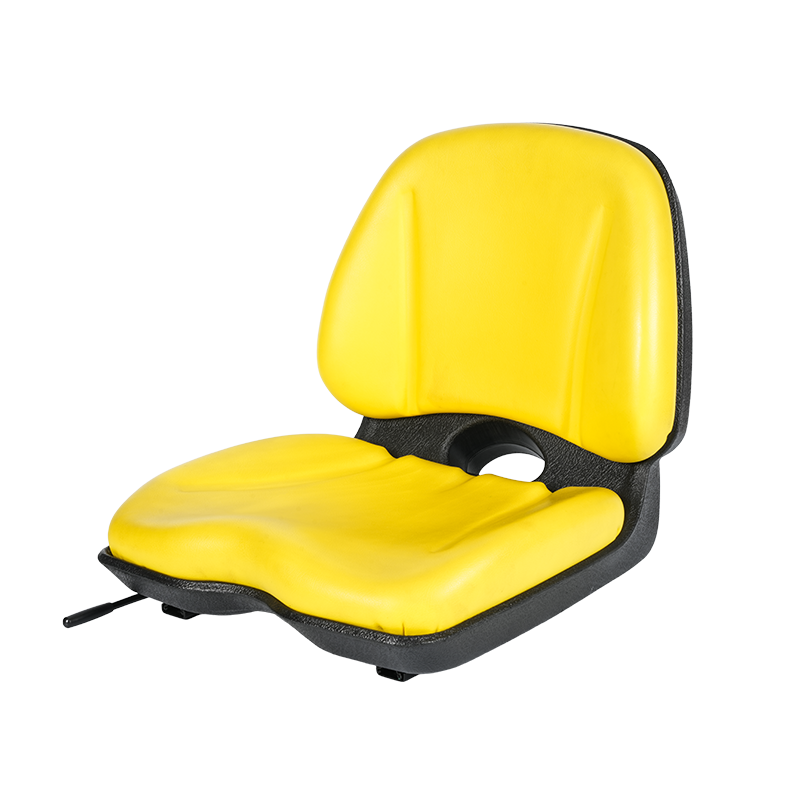
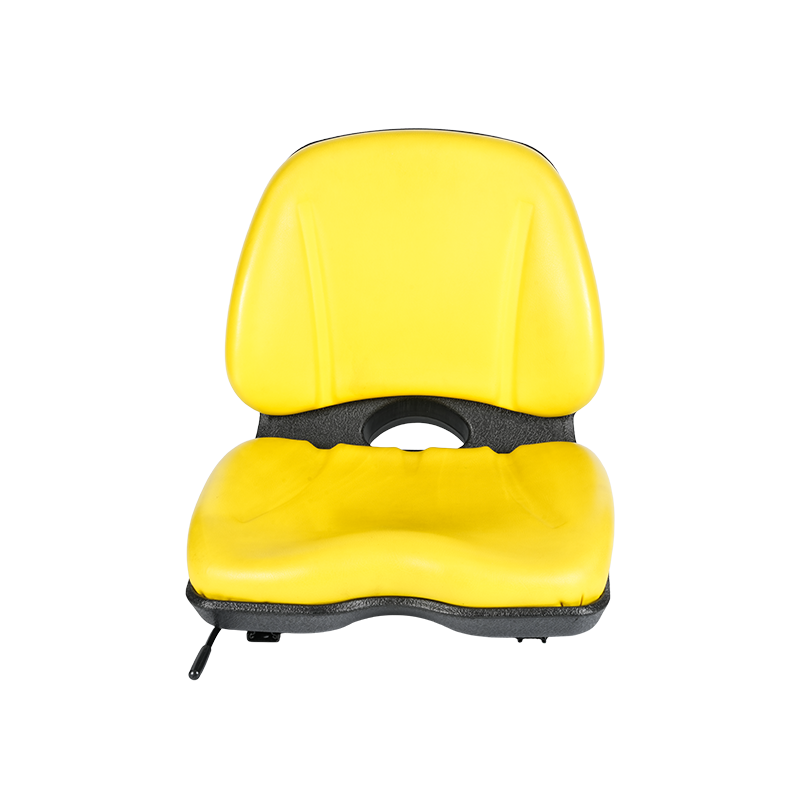
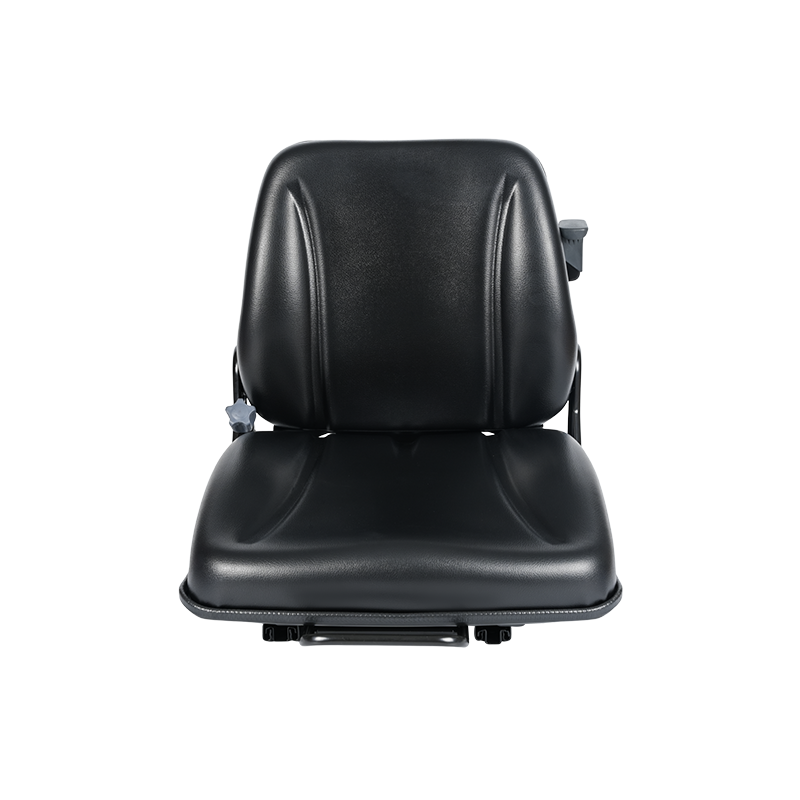
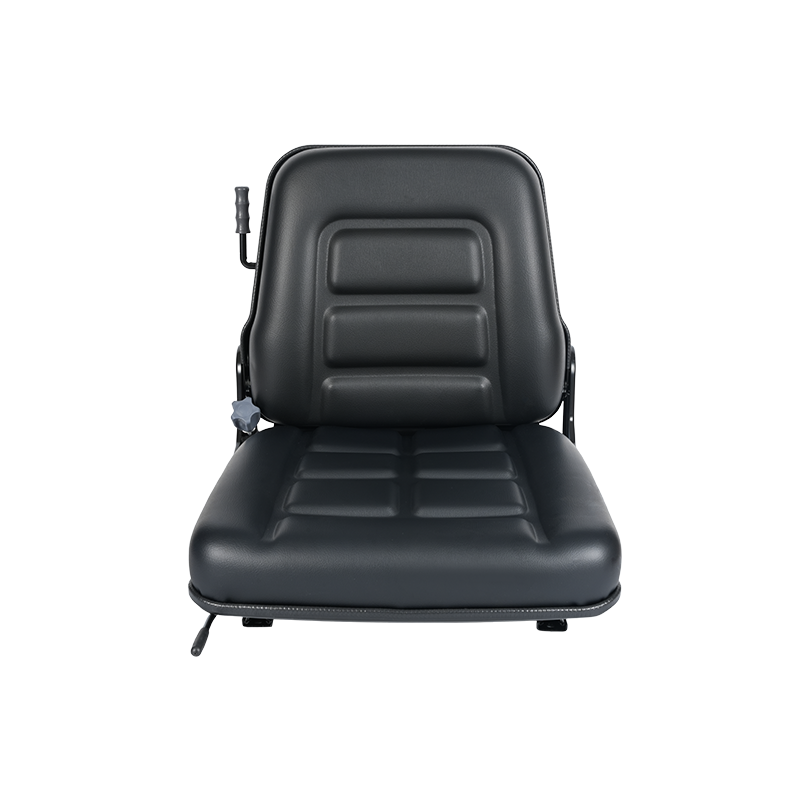
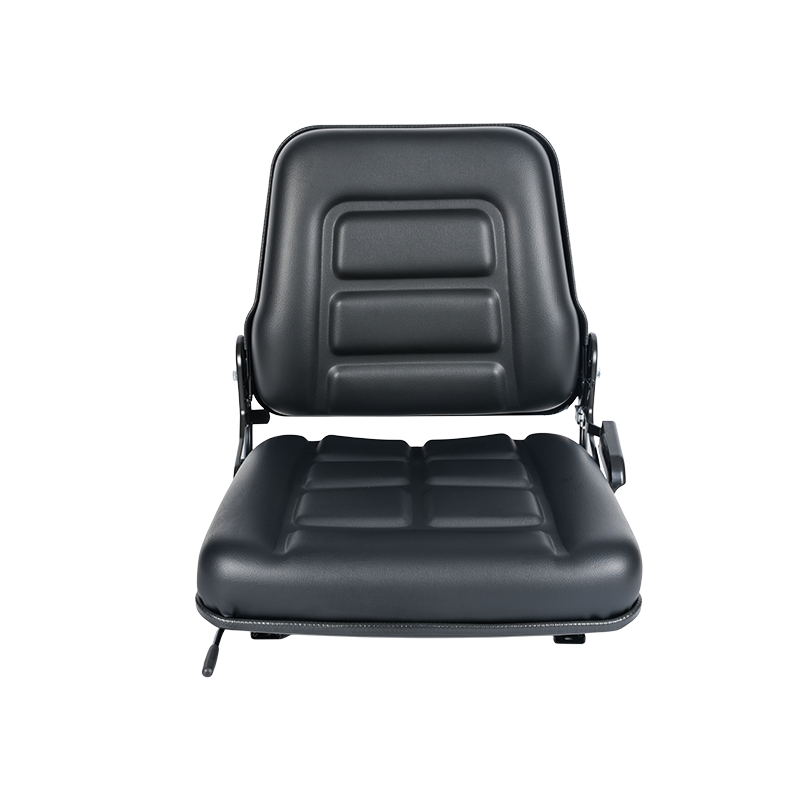
A CLEANING EQUIPMENT SEAT is a specialized seating system designed for operators who work on mechanized cleaning machines in industrial and commercial environments. These seats are not ordinary seating components. They are engineered to support long working hours, repetitive movements, and continuous vibration while maintaining operator comfort, safety, and posture stability. In facilities such as warehouses, airports, factories, and large public spaces, cleaning equipment often runs for extended shifts, making seat quality a critical operational factor rather than a secondary accessory.
From an engineering perspective, a cleaning equipment seat must balance durability, ergonomics, and adaptability. It is typically built with reinforced structures, vibration-dampening systems, and ergonomic contours that align with the human body. Unlike generic seats, these solutions are developed specifically for cleaning machinery, where operators frequently mount and dismount, adjust seating positions, and operate controls in confined spaces.
Modern production systems rely on standardized processes, intelligent equipment, and strict quality management systems to ensure consistent seat performance. With years of technical accumulation, manufacturers are now able to deliver modular seat designs that support customization for different machine models and operator requirements.
- Designed for long-duration operation
- Supports posture stability and operator safety
- Engineered for cleaning machinery environments
| Seat Type | Application | Key Advantage |
| Standard seat | Light-duty equipment | Basic support |
| Cleaning equipment seat | Industrial cleaning machines | Enhanced ergonomics |
Why Ergonomics Matter in Cleaning Equipment Seats
Ergonomics plays a decisive role in the performance of an ergonomic cleaning equipment seat. Operators often remain seated for several hours while performing repetitive cleaning tasks, which can lead to fatigue, musculoskeletal strain, and reduced attention if seating support is inadequate. Ergonomic seat design addresses these challenges by aligning the seat structure with the natural curves of the human body and allowing movement flexibility.
A well-designed ergonomic seat helps distribute body weight evenly, reduces pressure points, and minimizes lower back stress. Adjustable backrests, seat cushions with optimized density, and vibration isolation systems all contribute to a safer and more comfortable working experience. Over time, these features help reduce workplace injuries and absenteeism, directly benefiting operational efficiency.
From a management perspective, investing in ergonomic seating demonstrates a commitment to operator well-being and long-term productivity.
- Reduces operator fatigue
- Supports healthy posture
- Improves long-term productivity
| Ergonomic Feature | Function | Operator Benefit |
| Contoured backrest | Spinal alignment | Reduced back strain |
| Vibration damping | Shock absorption | Lower fatigue |
Cleaning Equipment Seat for Industrial Use
A cleaning equipment seat for industrial use must meet higher standards than seats designed for light-duty applications. Industrial cleaning machines often operate on uneven surfaces and in demanding environments, requiring seats with reinforced frames, high load capacity, and strong wear resistance.
These seats are commonly built with heavy-duty materials and tested against industry standards related to vibration, impact resistance, and structural integrity. The goal is to maintain stability and safety even under continuous operation. Industrial users prioritize reliability because equipment downtime or operator discomfort can directly impact workflow efficiency.
Manufacturers with strong technical backgrounds integrate digital quality control systems to ensure consistent performance from raw materials to finished seats.
- Reinforced structural design
- High load-bearing capacity
- Stable performance in harsh environments
| Requirement | Industrial Standard | Purpose |
| Load capacity | High | Operator safety |
| Material durability | Enhanced | Extended service life |
Adjustable and Heavy Duty Seat Solutions
An adjustable cleaning equipment seat allows operators of different body types to maintain optimal posture. Adjustment mechanisms typically include seat height, backrest angle, and fore-aft positioning. These features are especially important in shared equipment environments where multiple operators use the same machine across shifts.
In parallel, a heavy duty cleaning equipment seat focuses on strength and endurance. These seats are designed for high-frequency use and demanding workloads, combining robust frames with ergonomic cushioning. The combination of adjustability and durability ensures adaptability without compromising structural integrity.
- Supports multiple operators
- Enhances comfort customization
- Maintains stability under heavy use
| Seat Type | Main Feature | Use Scenario |
| Adjustable seat | Flexible positioning | Shared equipment |
| Heavy duty seat | Reinforced structure | High-intensity operation |
Seats for Commercial Facilities
A cleaning equipment seat for commercial facilities is designed to balance comfort, durability, and cost efficiency. Commercial environments such as shopping centers, transportation hubs, and office complexes require reliable seating solutions that can perform consistently under frequent use.
These seats are often selected based on ease of maintenance, long service life, and compatibility with various cleaning machines. Modular design approaches allow for faster replacement and reduced downtime, which is crucial for commercial facility operations.
- Optimized for frequent daily use
- Easy maintenance and replacement
- Cost-effective over long service cycles
| Facility Type | Seat Requirement | Key Focus |
| Public spaces | Comfort and durability | User satisfaction |
| Commercial buildings | Maintenance efficiency | Operational continuity |
FAQ
What is the lifespan of a cleaning equipment seat?
The lifespan of a CLEANING EQUIPMENT SEAT depends on usage intensity, load conditions, and maintenance practices. In industrial and commercial environments, high-quality seats are designed to operate reliably for several years under normal conditions.
- Regular inspection extends service life
- Proper adjustment reduces wear
How do I choose between adjustable and fixed seats?
An adjustable cleaning equipment seat is recommended for shared machines or long shifts, while fixed seats may be suitable for single-operator equipment with consistent usage patterns.
- Consider operator diversity
- Evaluate working hours
Are heavy duty seats necessary for all cleaning machines?
A heavy duty cleaning equipment seat is most suitable for machines operating in demanding industrial conditions. For light commercial use, standard reinforced seats may be sufficient.
- Match seat type to workload
- Avoid over-specification
Copyright @ Hangzhou Benfeng Auto Seat Co., Ltd. All rights reserved Privacy OEM/ODM Ergonomic Industrial Seats Manufacturers
浙ICP备20022099号