
 中文简体
中文简体 English
 Français
 Español
 عربى
عربى-

(86)-0571-82550327
-

info@bfseats.com
-




Seat Accessories for Industrial Vehicles: Selection Guide
Content
Choosing the right Seat Accessories for industrial vehicles comes down to three factors working together: durable, chemical-resistant materials that survive daily wear, suspension or cushioning components that absorb vibration within safe exposure limits, and compliance with recognized standards such as ISO 7096 for whole-body vibration and ISO 6683 for retention systems. Skipping any one of these three areas typically shows up first as operator fatigue, then later as compensation claims or equipment downtime from premature seat failure.
Seat Accessories Needed for Forklift Operator Comfort
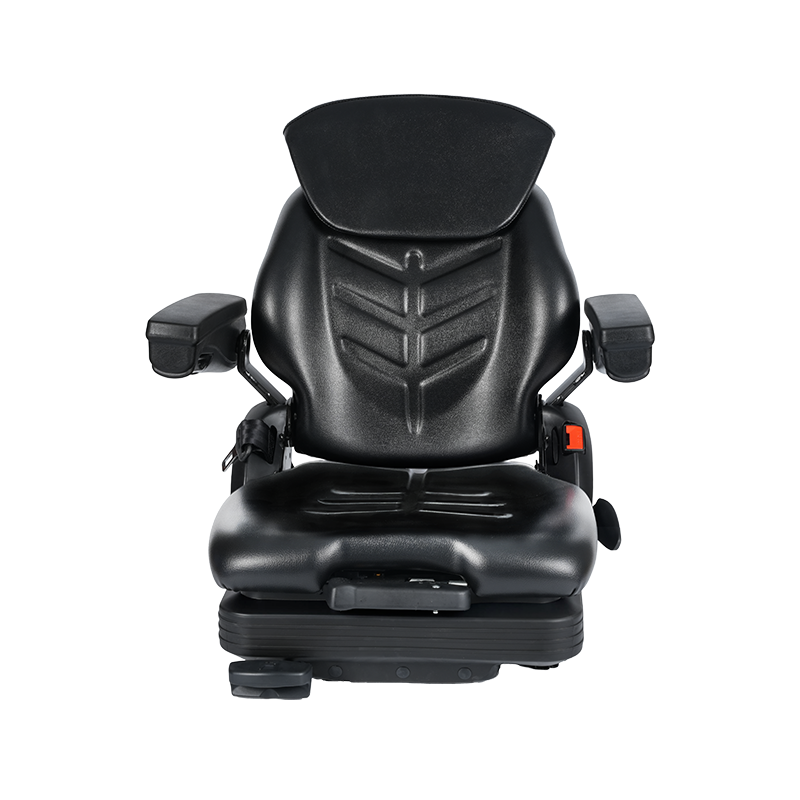
Forklift operators sit through repeated starts, stops, and directional changes for full shifts, so comfort accessories address different stress points than those on a long-haul truck seat.
| Lumbar support cushion | Reduces lower back strain from constant forward and reverse operation. |
| Armrest assemblies | Support the forearm during hydraulic lever control, reducing shoulder fatigue. |
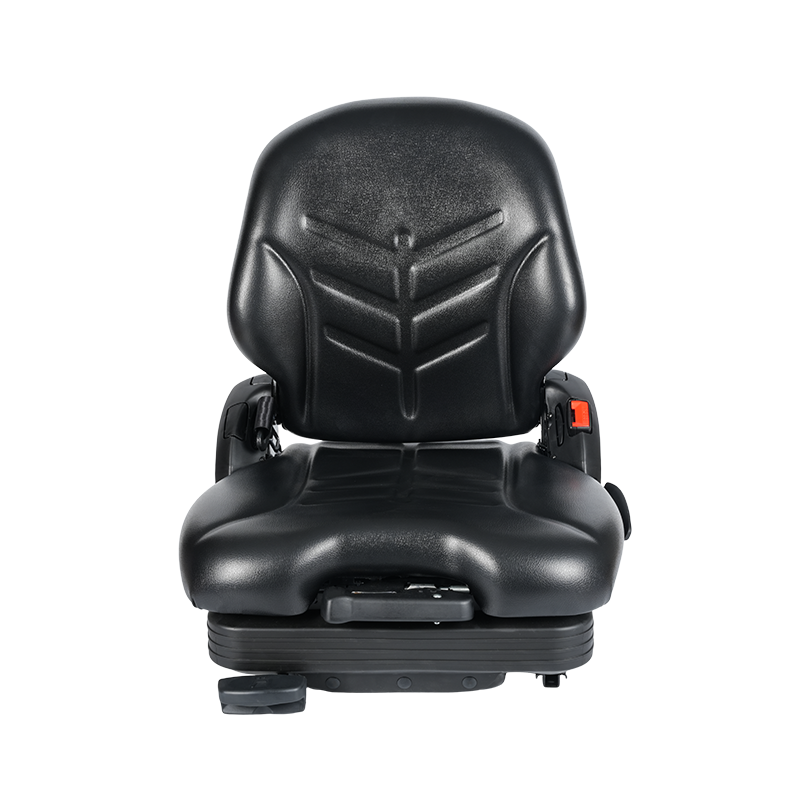
| Suspension base | Mechanical or pneumatic isolation that absorbs shock from uneven warehouse or yard surfaces. |
| Seat belt and retractor | Required safety restraint, often paired with a seat-belt interlock sensor on modern forklifts. |
| Headrest | Supports neck posture during frequent rear-view checks common to forklift operation. |
Operators using a properly suspended seat with lumbar support report measurably less end-of-shift fatigue than those on fixed, non-suspended seating, which is why suspension upgrades are one of the most common seat accessory retrofits requested by fleet managers.
Material Durability in Seat Accessories
Industrial seating faces exposure that consumer automotive seating never encounters, including oil contact, UV exposure in open-cab equipment, and abrasive dust. Material choice has to reflect the specific environment.
Resists oil and moisture well, easy to clean, but can crack under prolonged UV exposure without added stabilizers.
Common cushion core, holds shape under repeated compression cycles better than standard polyfoam.
More breathable for indoor climate-controlled cabins, but less resistant to oil staining.
Used in safety belts and retention straps, rated for tensile strength well above expected load force.
Fleet operators running equipment outdoors, such as construction excavators and skid steers, generally specify vinyl or coated fabric over cloth, since cloth seating in an open cab tends to show visible wear within 12 to 18 months of continuous outdoor use.
Choosing Seat Accessories for Industrial Vehicles
Selection should follow the vehicle's actual duty cycle rather than a generic upgrade list. Four questions narrow the decision quickly.
- What is the shift length? Shifts over 6 hours justify investing in higher-grade suspension and lumbar support, since fatigue compounds over time.
- What is the terrain or floor surface? Rough yards or uneven pavement call for pneumatic suspension over basic mechanical spring suspension.
- Is the cabin open or enclosed? Open cabins need UV and moisture resistant materials regardless of cushion quality.
- What does the existing mounting bracket support? Retrofitted accessories must match the seat's bolt pattern and weight rating to remain compliant.
Vibration Comfort Performance
Whole-body vibration is one of the most measurable factors in operator health, and it is directly addressed by suspension-based seat accessories rather than cushioning alone.
| Seat Type | Typical Vibration Transmission |
| Fixed, non-suspended seat | Transmits close to 100 percent of chassis vibration to the operator |
| Mechanical spring suspension | Reduces transmitted vibration by roughly 20 to 30 percent |
| Pneumatic air suspension | Reduces transmitted vibration by roughly 40 to 60 percent depending on load calibration |
Regulatory guidance under ISO 2631 sets daily exposure action values for whole-body vibration, and equipment operators exceeding these values over an 8-hour shift face increased long-term risk of lower back injury, which is why vibration-reducing suspension is treated as a safety accessory, not just a comfort upgrade.
Safety Standards Seat Accessories Need to Meet
Compliance requirements vary by equipment category and region, but industrial seat accessories are generally expected to satisfy the following recognized standards.
| ISO 7096 | Defines laboratory evaluation methods for whole-body vibration transmitted through operator seating on earth-moving machinery. |
| ISO 6683 | Covers safety belt and anchorage requirements for earth-moving machinery operators. |
| SAE J386 | Specifies operator restraint system performance for off-road self-propelled work machines. |
| OSHA 1910.132 | General personal protective and operator safety equipment requirements referenced for restraint use in the United States. |
Buyers sourcing replacement seat accessories should request test certificates confirming compliance with the applicable standard for their equipment category, since aftermarket parts that do not meet the original seat's certified rating can void both warranty coverage and regulatory compliance during an inspection.
Copyright @ Hangzhou Benfeng Auto Seat Co., Ltd. All rights reserved Privacy OEM/ODM Ergonomic Industrial Seats Manufacturers
浙ICP备20022099号