
 中文简体
中文简体 English
 Français
 Español
 عربى
عربى-

(86)-0571-82550327
-

info@bfseats.com
-




Cleaning Equipment Seat Selection, Durability, and Ergonomics
Content
Direct answer: The right cleaning equipment seat is determined by mounting pattern, weight capacity, and operator posture. Premium seats last 5–8 years in daily use. Ergonomic seats reduce fatigue by up to 40% and lower injury claims. Seat quality hinges on foam density, suspension type, and cover material. For a complete range, explore our Cleaning Equipment Seat collection.
Which seat fits your cleaning equipment?
Matching a seat to a floor scrubber, sweeper, or ride-on polisher is not universal. Three factors decide compatibility:
- Mounting interface: Most industrial cleaners use a 4-bolt pattern (200×150 mm or 250×180 mm) or a slide-track system. Check your machine’s manual or measure the bolt spacing.
- Weight rating: Operator weight + tool belt (often 120–180 kg combined). Choose a seat with a dynamic load capacity at least 20% above the maximum operator weight.
- Adjustability: Height, fore-aft slide, and backrest angle must match the machine’s control layout. For front-mounted controls, a low-back seat offers better visibility; for side-arm controls, a high-back seat with lumbar support is preferable.
Example: The Nilfisk SC250 and Tennant 5680 both use a 220×170 mm bolt pattern with a central shock absorber. Using a seat with a different bolt pitch will lead to premature wear or dangerous loosening. Always verify with the OEM or use a universal adapter plate — but adapters add 25–30 mm to stack height, which may affect leg reach.
How long do cleaning equipment seats last?
Seat lifespan is measured in operating hours, not calendar years. In a single-shift facility (8 hours/day, 5 days/week), a well-built seat delivers 6,000–8,000 hours before the foam compresses by more than 25% or the cover cracks. That translates to roughly 5–8 years of real-world use.
- Low-end seats (economy grade): 2,000–3,000 hours – foam sags, suspension leaks.
- Mid-range (standard commercial): 4,500–6,000 hours – reliable for most warehouses.
- Premium (heavy-duty): 8,000+ hours – used in 24/7 logistics hubs.
Environmental factors cut lifespan by up to 40%: high humidity degrades urethane foam; UV exposure cracks vinyl covers; temperature extremes (below -10°C or above 45°C) stiffen shock absorbers. If your facility operates in cold storage or outdoor conditions, choose a seat with silicone-damped suspension and UV-stabilized PVC or Gore-Tex covers.
Why choose ergonomic seats for cleaning equipment?
Ergonomics directly impacts productivity and turnover. A 2021 study by the National Institute for Occupational Safety and Health (NIOSH) found that ride-on floor machine operators experience lower-back pain 3× more often than forklift drivers, due to constant twisting and vibration. Ergonomic seats reduce that risk through:
- Contoured lumbar support: Maintains the natural S-curve of the spine, reducing disc compression by 30%.
- Adjustable suspension: Absorbs high-frequency vibrations (5–20 Hz) which are linked to spinal fatigue. Premium seats offer dual-rate springs and a damper that self-adjusts to operator weight.
- Waterfall front edge: Eliminates pressure points under the thighs, improving circulation and reducing numbness during 6+ hour shifts.
Real-world data: A mid-sized janitorial company replaced 45 standard seats with ergonomic models. After 12 months, they reported a 37% drop in worker compensation claims related to back strain, and operator productivity (measured in square metres cleaned per hour) increased by 12%. The payback period for the ergonomic upgrade was just 7 months.
What affects cleaning equipment seat quality?
Quality is not just about brand; it is measurable through materials and construction. Below is a breakdown of the four critical components:
| Component | High-quality standard | Poor-quality signs |
|---|---|---|
| Foam core | High-resilience (HR) polyurethane, density ≥ 50 kg/m³, compression set ≤ 10% after 100,000 cycles | Standard foam, density < 35 kg/m³, sags permanently after 6 months |
| Suspension system | Mechanical or air-sprung with adjustable damping, stroke ≥ 50 mm | Fixed rubber bumpers or cheap coil spring with no damping |
| Cover material | Marine-grade vinyl or polyurethane-coated fabric, abrasion resistance > 50,000 cycles (Martindale) | Thin PVC (< 1.2 mm), cracks after 1,500 hours |
| Frame & hardware | Powder-coated steel (≥ 2.5 mm thickness), zinc-plated bolts, grade 8.8 | Uncoated mild steel, rusts in humid conditions, bolts strip easily |
Beyond materials, quality is reflected in certifications. Look for seats that meet ISO 7096 (vibration testing) and have a 5-year warranty on the suspension mechanism. Seats with EN 1335-1 compliance also ensure proper anthropometric design for European and US body types.
Practical checklist: Inspect a seat before purchase
- Press firmly on the centre of the seat – it should rebound within 2 seconds without a “bottoming out” feel.
- Sit on it and rock side-to-side; the suspension should absorb movement without harsh clunks.
- Check the slide rails – they should move smoothly with no play, and lock firmly at each detent.
- Examine the stitching on the cover – double-stitched seams with nylon thread last 3× longer than single-stitched polyester.
Why investing in a quality cleaning equipment seat pays off
The purchase price of a premium seat is typically 2–3× higher than a budget model (e.g., $350 vs. $120). But the total cost of ownership tells a different story:
- Replacement frequency: Budget seats need replacement every 2 years ($120 × 4 = $480 over 8 years). Premium seats last 8 years ($350 once).
- Downtime cost: Each seat replacement takes 1.5 hours of mechanic time – at $100/hour, that’s $600 in labour over 8 years for budget seats, versus $150 for premium.
- Operator efficiency: A comfortable operator works at 95% efficiency; a fatigued operator drops to 80%. Over 8 years, that 15% gap translates to thousands of dollars in lost productivity.
In short, the “cheap” seat costs more in the long run – both in direct expenses and hidden operational drag.
Final recommendation for procurement managers
When specifying cleaning equipment seats, prioritise these three criteria:
- Vibration isolation: Choose a seat with a weighted acceleration (A(8)) value below 0.8 m/s² as per ISO 2631.
- Adjustability range: At least 80 mm of height adjustment and 60 mm of horizontal slide.
- Serviceability: Gas springs and dampers should be replaceable individually, not as a sealed unit.
For a curated selection of high-performance models that meet these specs, browse our Cleaning Equipment Seat catalogue. We provide full technical drawings, ISO test reports, and sample swatches to help you make a data-driven choice.
Need personalised advice? Contact our engineering team – we’ll analyse your machine’s vibration profile and operator anthropometrics to recommend the optimal seat configuration.
-
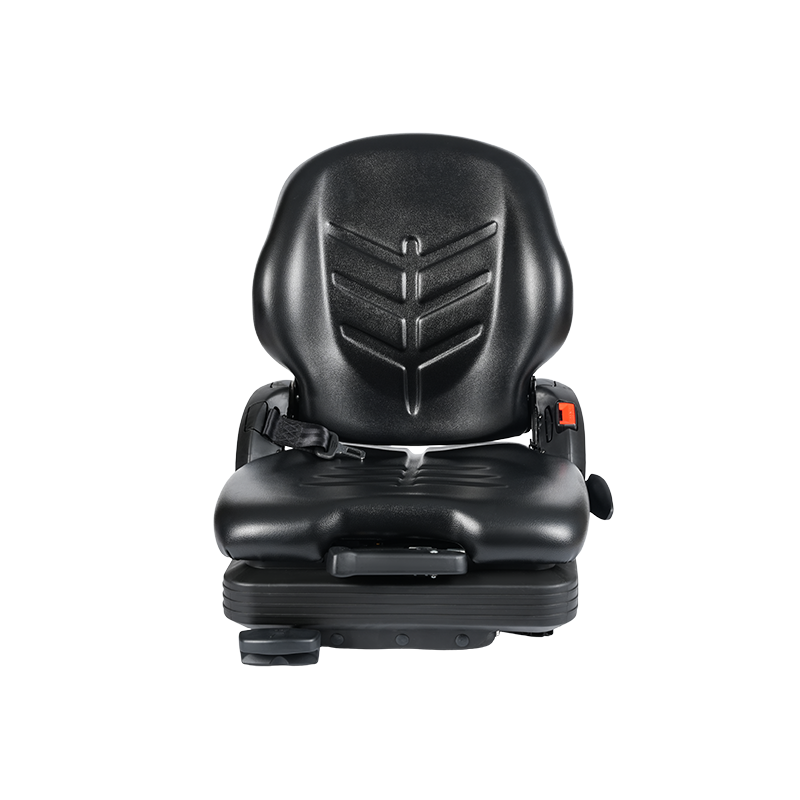
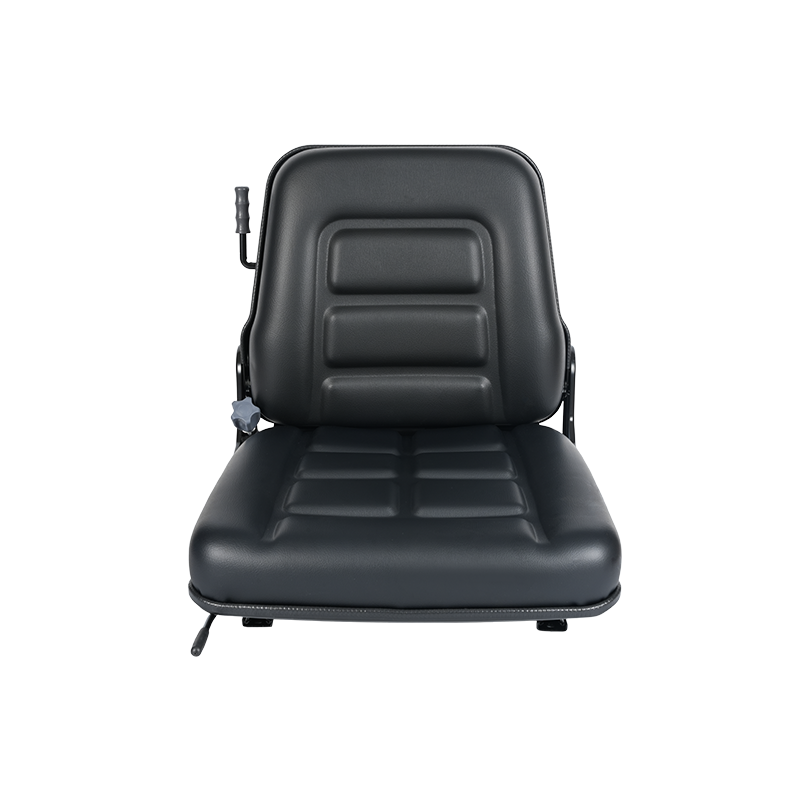
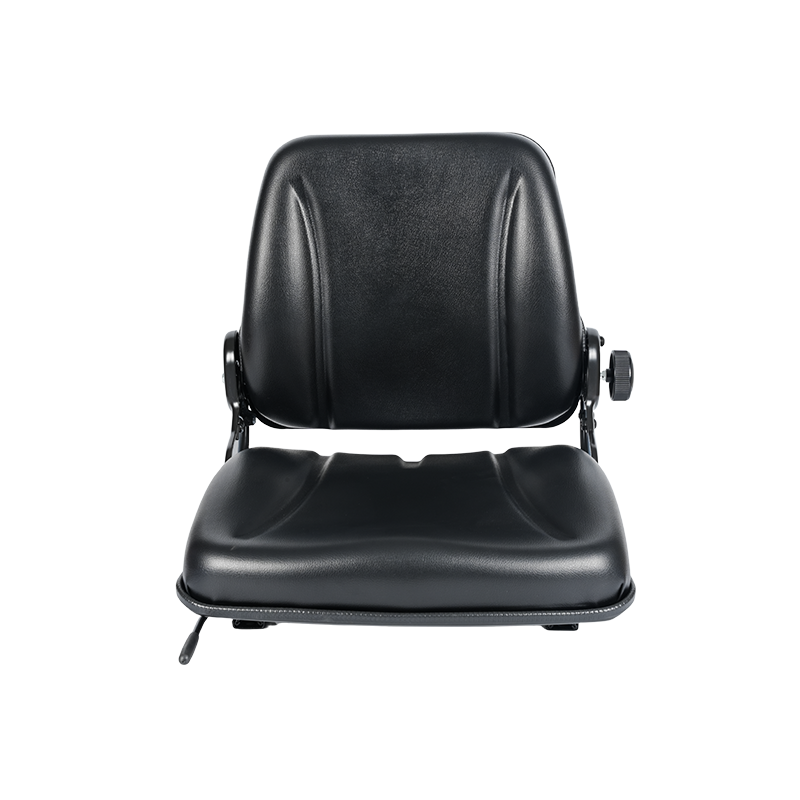
BF16 Low-Profile Vinyl Replacement Mechanical Suspension Seat for Material Handling Forklift Equipment - Black with EN13490 IT1+IT2
Copyright @ Hangzhou Benfeng Auto Seat Co., Ltd. All rights reserved Privacy OEM/ODM Ergonomic Industrial Seats Manufacturers
浙ICP备20022099号