
 中文简体
中文简体 English
 Français
 Español
 عربى
عربى-

(86)-0571-82550327
-

info@bfseats.com
-




Industrial Seats: A Practical Selection Guide for OEMs and Fleet Operators
Content
An operator on a counterbalance forklift spends a full shift absorbing vibration frequencies that eventually fatigue the truck's own structural welds. The machine follows a service schedule; the human spine does not. That asymmetry is why industrial seats deserve more attention than their bolt-on appearance suggests. The right seat reduces transmitted vibration, keeps the operator in a stable posture, and preserves precise control of the steering wheel and pedals. The wrong one, or one whose suspension has collapsed, turns an eight-hour shift into a steady source of lower-back strain and slower reaction time.
The evidence on how industrial vehicle seats affect operator health and productivity consistently points to the same conclusion: seating is a performance component, not a convenience extra.
What Counts as an Industrial Seat
Industrial seats are not a single product category. The term covers operator seats for forklifts, tractors, combine harvesters, loaders, excavators, ride-on sweepers, airport ground support vehicles, stackers, and platform trucks. Each machine has its own vibration spectrum, mounting geometry, and duty cycle.
Most established manufacturers use a shared seat platform to serve these diverse machines. The structural base, suspension mechanism, slide rails, and adjustment levers remain common; the cover material, cushion density, armrest options, and belt configuration change with the application. At Hangzhou Benfeng Auto Seat, the same BF-series codes appear across forklift, agricultural, construction, cleaning equipment, and other industrial vehicle lines. A BF16, for instance, can be a low-profile replacement seat for material handling equipment, a suspension seat for tractors, or an extra-wide passenger seat for tourist vehicles.
This platform strategy has a direct consequence for buyers. A universal "fits everything" seat can usually be bolted into any cab, but it cannot be optimally tuned for every vibration environment. Match the seat model to the machine class and duty cycle first, then compare price.
Certification and Standards
The first thing to check on any industrial seat is its certification, not its color. Three documents dominate the industrial seat market:
- EN 13490 - the European standard for operator seats on forklift trucks. It defines vibration transmissibility tests for seats with mechanical suspension and uses different input spectra, such as IT1 and IT2, for different truck categories. A seat certified for one input class cannot automatically be assumed to perform for another.
- ISO 7096 - the international standard for seats on earth-moving machinery. Its EM spectra simulate the vibration environments of different machine types, so a seat validated for a wheel loader may not suit a large off-road dump truck.
- JB/T 13693-2019 - the Chinese machinery industry standard for driver seats of industrial vehicles. Hangzhou Benfeng Auto Seat is one of the drafting units of this standard, which keeps the company's design validation process closely aligned with the specification.
Pay attention to the test class, not just the existence of a certificate. For example, the dual-certified low-profile mechanical suspension forklift seat carries both EN 13490 IT1/IT2 and ISO 7096 certification. For a mixed forklift fleet, that dual coverage simplifies qualification and reduces the number of seat variants you need to stock.
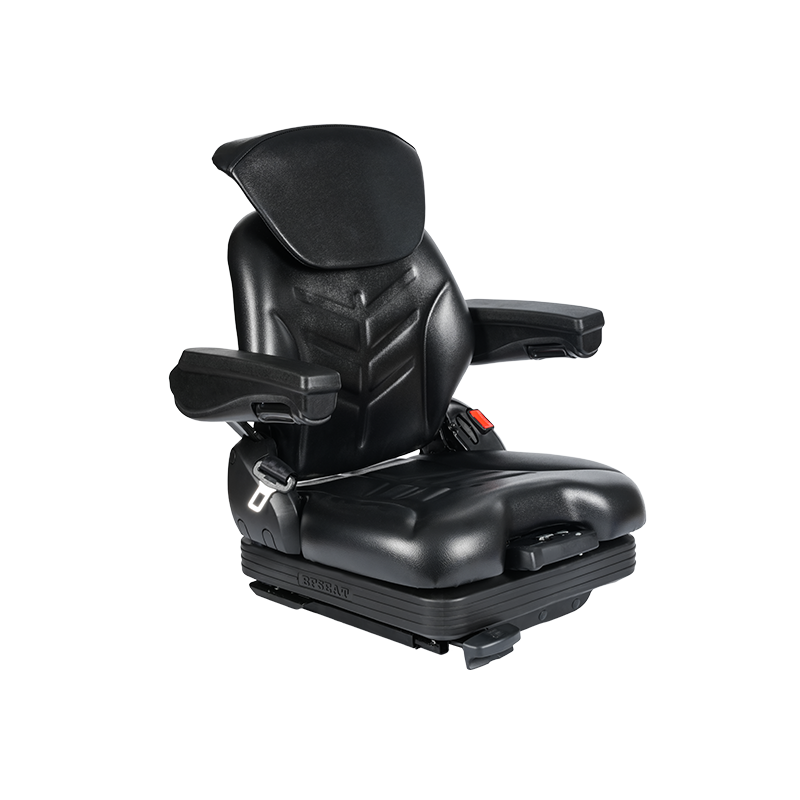 Wholesale BF16MCD EN 13490 IT1+IT2 & ISO 7096 Dual-Certified Low-Profile MechanicBenfeng Auto Seat Co., Ltd — China wholesale OEM/ODM BF16MCD EN 13490 IT1+IT2 & ISO 7096 Dual-Certified Low-Profile Mechanical Suspension ...View Product →
Key Factors When Specifying an Industrial Seat
Four factors decide whether a seat will hold up in the field: suspension performance, cover material, adjustability, and safety features. The table below summarizes how the machine type shapes the configuration.
| Machine type | Typical suspension | Cover material | Primary standards |
|---|---|---|---|
| Counterbalance forklift | Mechanical, low-profile | PVC, vinyl, polyurethane | EN 13490, ISO 7096 |
| Reach truck / narrow aisle | Semi-suspension or fixed | PVC | EN 13490 |
| Tractor / combine harvester | Mechanical, longer stroke | Durable PVC | CE, ISO |
| Excavator / truck crane | Heavy-duty mechanical | PVC / polyurethane | ISO 7096, CE |
| Ride-on sweeper | Foldable backrest, compact | Wipe-clean PVC | CE, ISO 3834 |
| Airport / specialty vehicle | Mechanical damping | PVC | CE |
Suspension performance. Mechanical suspension combines a spring and damper to isolate low-frequency vibration, and the response can usually be adjusted to the operator's weight. Semi-suspension seats use a shorter-travel damper inside the cushion and suit lighter duty cycles. A mechanical suspension with a 40 mm stroke is common for stackers and platform trucks, while equipment with heavier shock loading requires a tuned damping system rather than simply a softer cushion.
Cover material. PVC and vinyl upholstery resist moisture, dust, and cleaning chemicals, which is why they dominate agricultural and cleaning equipment seats. Single-mold polyurethane eliminates seams that trap dirt and provides a cost-efficient, abrasion-resistant surface.
Adjustment range. Sliding rails, multi-angle reclining, foldable backrests, and lumbar support affect how easily an operator reaches the pedals and maintains a clear view of the work area. For machines that are trailered or stored in low-clearance buildings, a foldable backrest is often requested.
Safety features. Retractable safety belts keep the belt out of the way when the operator enters or exits the cab. Two-point belts remain common on sweepers and airport vehicles. An OPS (Operator Presence Switch) fitted under the seat prevents machine functions from being engaged when the operator leaves the seat, which matters for automated and semi-automated forklifts.
Application-Specific Recommendations
Forklifts and Warehouse Equipment
For counterbalance and internal combustion forklifts, cab space is often tight, which explains the popularity of low-profile mechanical suspension seats. Reach trucks and narrow-aisle machines favor compact seats with smooth, waterproof covers, and AGV installations may need a seat with a compatible operator-presence signal. Our material handling equipment seat selection guide covers the main trade-offs in more detail, including how to match seat width to the operator population and the available legroom.
Agricultural Machinery
Tractors and combine harvesters expose the operator to continuous low-frequency vibration through long field days. Agricultural seats almost always use PVC covers for easy cleaning in dusty conditions, and most are specified with a mechanical suspension. A premium ergonomic suspension agricultural seat for tractors is a typical example: the suspension isolates field vibration, while the adjustable backrest and slide rails accommodate different operators without manual adaptation.
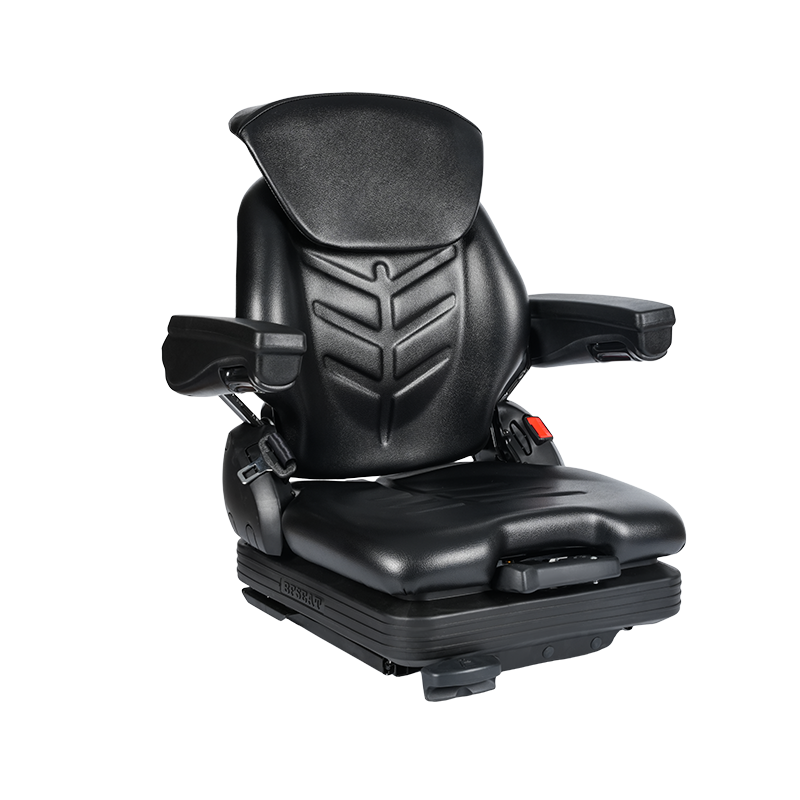 Wholesale BF16 Premium Ergonomic Suspension Agricultural Seat for Tractors with Benfeng Auto Seat Co., Ltd — China wholesale OEM/ODM BF16 Premium Ergonomic Suspension Agricultural Seat for Tractors with CE ISO 9001 Su...View Product →
Construction and Specialty Vehicles
Excavators and truck cranes generate shock loads that a standard cushion cannot absorb. These machines need heavy-duty suspension seats with robust bases, and the seat should be validated against ISO 7096 input spectra for the relevant machine class. The suspension construction seat for excavators is designed around this workload, with a durable cover, adjustable suspension, and CE certification. For more context on specifying seats for construction equipment, see our construction machinery seat comfort guide.
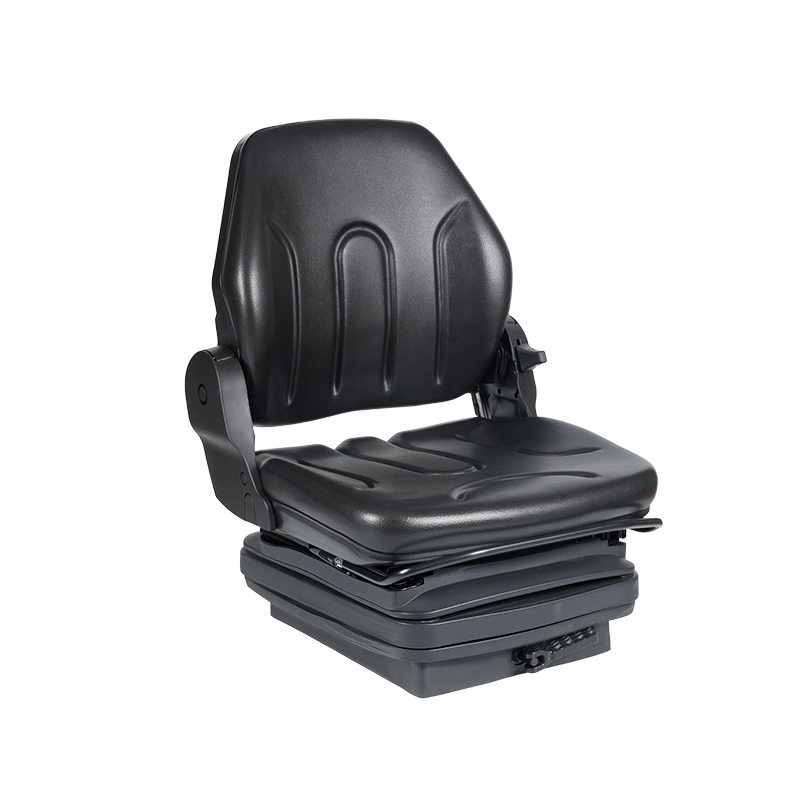 Wholesale BF21 Comfortable Durable Suspension Construction Seat for Excavator wiBenfeng Auto Seat Co., Ltd — China wholesale OEM/ODM BF21 Comfortable Durable Suspension Construction Seat for Excavator with CE Mark Sup...View Product →
OEM and Replacement Considerations
The right procurement path depends on whether you are buying for an equipment builder or for an existing fleet. OEM engineers purchase seats as certified components that must support the whole machine's homologation and production schedule. Fleet managers and maintenance teams usually buy seats as direct replacements, looking for universal fit, quick installation, and a well-stocked range of accessories.
Replacement seats for forklifts and industrial trucks are common because original cushions wear out, or because a machine is being reassigned to a different operator group. Benfeng's product range includes replacement-oriented models, such as low-profile vinyl replacement seats for material handling equipment, plus accessories like adjustable armrests, safety belts, shock absorbers, slide rails, backrests, and OPS (Operator Presence Switch)es. An important procurement step is confirming that the replacement seat still meets the relevant standard for the machine's operating environment.
What to Look for in a Seat Supplier
Once the specification is clear, manufacturing depth decides supplier quality. Four factors matter in practice.
- In-house production. Foam pouring, metal stamping, welding, assembly, and testing under one roof give the supplier direct control over consistency and lead times.
- Standards participation. A manufacturer that contributes to industry standards understands the test requirements at a deeper level than one that simply reads them.
- Quality certifications. ISO 9001 for quality management, ISO 3834 for welding quality, ISO 14001 for environmental management, and ISO 45001 for occupational health and safety are the usual baseline for OEM supply.
- Capacity and infrastructure. Benfeng operates a 14,000-square-meter facility with an annual capacity of 200,000 seats and a dedicated testing room, which supports both continuous OEM supply and fast-moving replacement orders.
The final check is straightforward: ask for certificates, ask about test classes, and confirm that the supplier can adapt a proven seat platform to your machine instead of offering a one-size-fits-all product.
Selecting industrial seats is a process of matching machine class, vibration exposure, materials, safety, and supplier capability in a deliberate order. Start with the standards, verify the suspension, and choose a manufacturer that builds and tests seats in its own facility. For most fleets, that is the shortest route to fewer operator complaints, lower absenteeism, and longer equipment uptime.
-
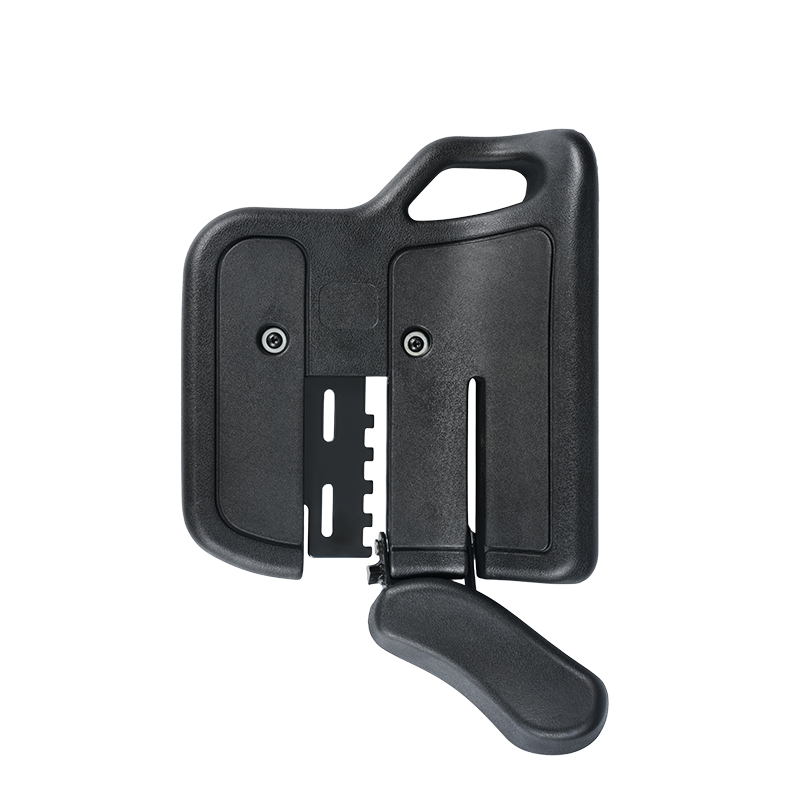
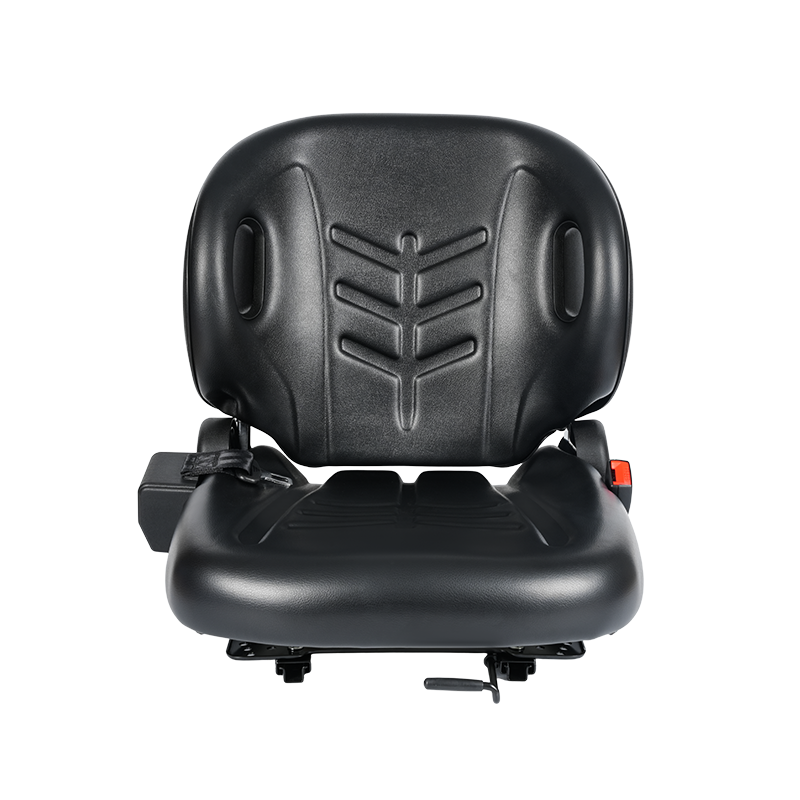
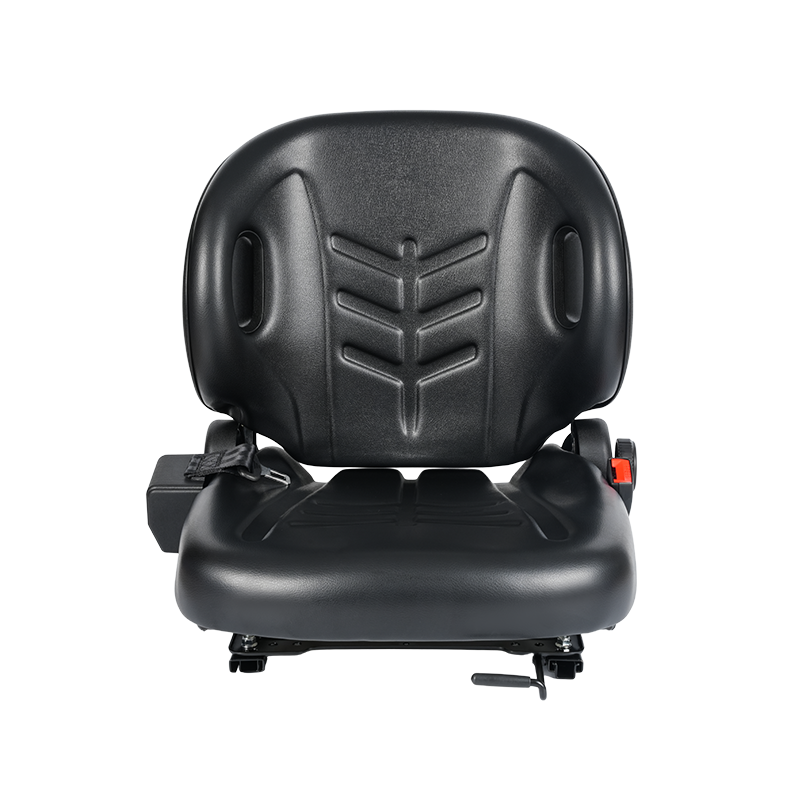
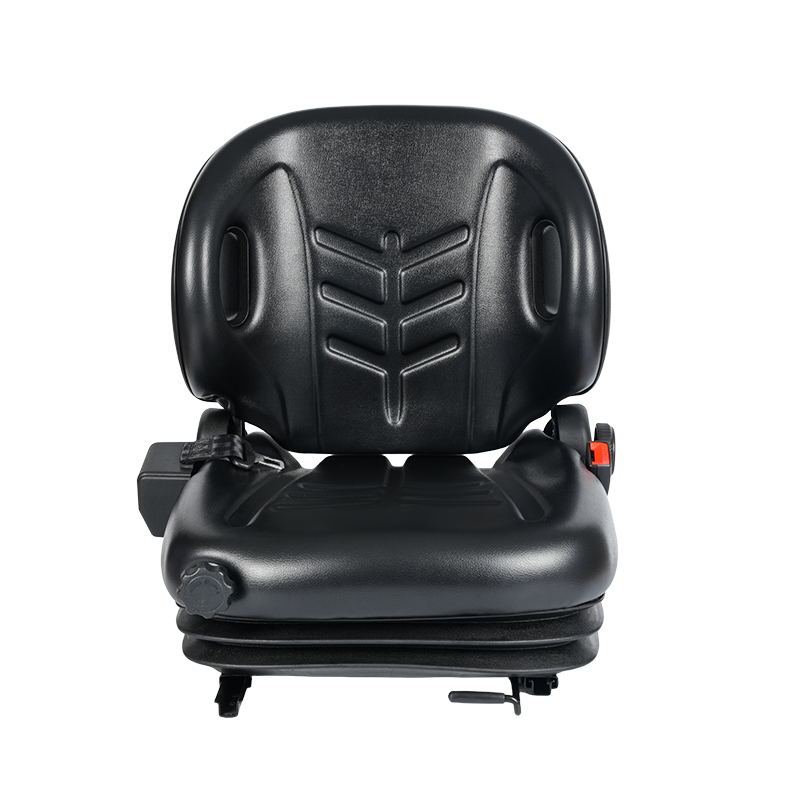
BF3 Single-Mold Polyurethane Eco-Friendly Seat with Vehicle-Contoured Design | Cost-Efficient Abrasion-Resistant Version for Stand-On Reach Forklifts
Copyright @ Hangzhou Benfeng Auto Seat Co., Ltd. All rights reserved Privacy OEM/ODM Ergonomic Industrial Seats Manufacturers
浙ICP备20022099号