
 中文简体
 English
 Français
 Español
 عربى
-

(86)-0571-82550327
-

info@bfseats.com
-




Forklift Seat Covers: Fit Rules, Fabric Choice, OPS Clearance and Costs
Content
- 1 What a Forklift Seat Cover Is and What It Cannot Fix
- 2 Cover, Re-Upholstery or Replacement: Cost and Downtime
- 3 Fitment Rules That Keep the Seat Compliant
- 4 Match the Cover Material to the Working Environment
- 5 When a Cover Is Not Enough: Cushions, Backrests and Seat Platforms
- 6 Inspection and Replacement Interval
- 7 Buyer Questions on Fit, Compliance and Service Life
A counterbalance truck working three shifts logs close to 6,000 hours a year, and the first thing to fail on its seat is rarely the suspension — it is the upholstery seam under the operator's left thigh. A properly cut forklift seat cover is the cheapest way to slow that failure, but only when it is shaped for one seat platform, leaves the operator presence switch clear, and uses a coated fabric that sheds hydraulic oil instead of soaking it up.
What a Forklift Seat Cover Is and What It Cannot Fix
A forklift seat cover is a removable, form-fitted sleeve of coated fabric that sits over the cushion and backrest of an industrial truck seat, protecting the original upholstery from oil, abrasion, dust and sunlight while leaving the frame, suspension and safety hardware untouched.
The value is economic rather than mechanical. Upholstery fails at the seams first, and the seam under the operator's left thigh carries the highest shear load on a truck that runs three shifts. A cover moves that friction onto a replaceable layer instead of the original vinyl, which is why fleets fit them to trucks that are one to three years old rather than at end of life.
What a cover cannot do is restore a degraded seat. Collapsed foam, a torn suspension bellows, worn slide rails, a cracked seat pan and a damaged operator presence switch all sit below the cover and stay exactly as they were. Vibration class is unaffected too: seats certified to EN 13490 categories IT1 and IT2, or to ISO 7096 classes EM1 through EM7, are tested as complete assemblies, so neither a cover nor a foam pad added underneath changes the class assigned to that seat.
| Cover material | Typical specification | Oil and fluid resistance | Cleaning method | Best suited to |
| HD PVC-coated polyester | 500 to 900 g/m2 | High; hydraulic oil and coolant wipe off | Pressure wash, mild detergent | Counterbalance trucks, workshops, foundries |
| Expanded vinyl (black PVC) | 1.0 to 1.2 mm | Medium; resists water and dust, softens with solvents | Damp cloth | Electric stackers, AGVs, warehouse trucks |
| Coated nylon or canvas | 300 to 600 g/m2 | Low to medium unless fully coated | Machine wash | Dry logistics halls, seasonal fleets |
| Neoprene-faced fabric | 1.0 to 2.0 mm | High; handles oil and moderate heat | Wipe or steam | Cold stores, outdoor yards, washdown areas |
Cover, Re-Upholstery or Replacement: Cost and Downtime
For a seat whose foam, frame and suspension are still serviceable, a fitted cover is the cheapest of the three routes and the fastest to install, at 15 to 30 minutes with the seat left in the truck.
Fitted cover
- Fitted in 15 to 30 minutes with hand tools
- No seat removal, no wiring or OPS reconnection
- Fully reversible and repeatable each season
- Cannot repair foam, frame or suspension faults
Re-upholstery or new seat
- Re-upholstery takes the seat out for 2 to 4 hours
- Complete seat swaps the assembly and keeps a spare
- Both restore structure and comfort, not appearance
- Required once the coating is worn through or foam has collapsed
Fitment Rules That Keep the Seat Compliant
A cover must leave three items unobstructed: the operator presence sensing switch, the seat belt anchor and buckle path, and the full suspension stroke with its adjustment levers.
Identify the seat platform, not the truck model
One forklift model can ship with two different seats depending on market and production year, so a bench-fit cover cut for a generic profile will bunch at the corners. Check the seat plate first, and use the universal replacement forklift seat compatibility guide when the plate is missing.
Measure cushion and backrest separately
Width across the cushion front edge, depth from front edge to backrest fold, and backrest height at the centre are the three dimensions that decide fit. Measure a compressed cushion, not a relaxed one.
Confirm the OPS switch position
A cover pressing on the operator presence switch can hold the truck in fault mode or, worse, defeat the presence function. Cut a clearance window or choose a cover with a pre-cut switch aperture.
Check the belt run
Webbing must pass through or over the cover without twisting, and the buckle must reach the stalk without extra tension. A retractable belt needs free spool travel, not a stretched sleeve.
Re-check after fitting
Sit down, bounce once, then confirm nothing has shifted, bunched or covered a lever. Repeat the check after the first 10 operating hours, when elastic hems settle.
Match the Cover Material to the Working Environment
Match the fabric to the dominant contaminant rather than to the colour of the truck, because oil, abrasive dust, washdown chemicals and UV each attack a different part of the coating.
- Hydraulic oil and coolant, common in maintenance bays: HD PVC-coated polyester at 650 to 900 g/m2, because oil wipes off the coating instead of migrating into the foam.
- Fine abrasive dust in foundries, cement plants and grain handling: tight-weave coated fabric with sealed seams, since dust that reaches the foam core turns into a grinding paste.
- Washdown and food-adjacent areas: smooth vinyl or neoprene-faced covers with welded rather than stitched seams, cleaned with neutral detergent.
- Outdoor yards and cold stores: UV-stabilised coating over a CR-faced layer that stays flexible in sub-zero temperatures.
When a Cover Is Not Enough: Cushions, Backrests and Seat Platforms
Replace the part rather than the cover once the coating is worn through, the foam has lost more than a third of its original thickness, or a spring or frame weld has failed.
Platform families that share a common frame make this practical. On the BF-series forklift seats, a worn cushion is available as a spare part and pairs with the existing backrest and suspension, which keeps the truck on the floor for a fraction of the cost of a complete seat.
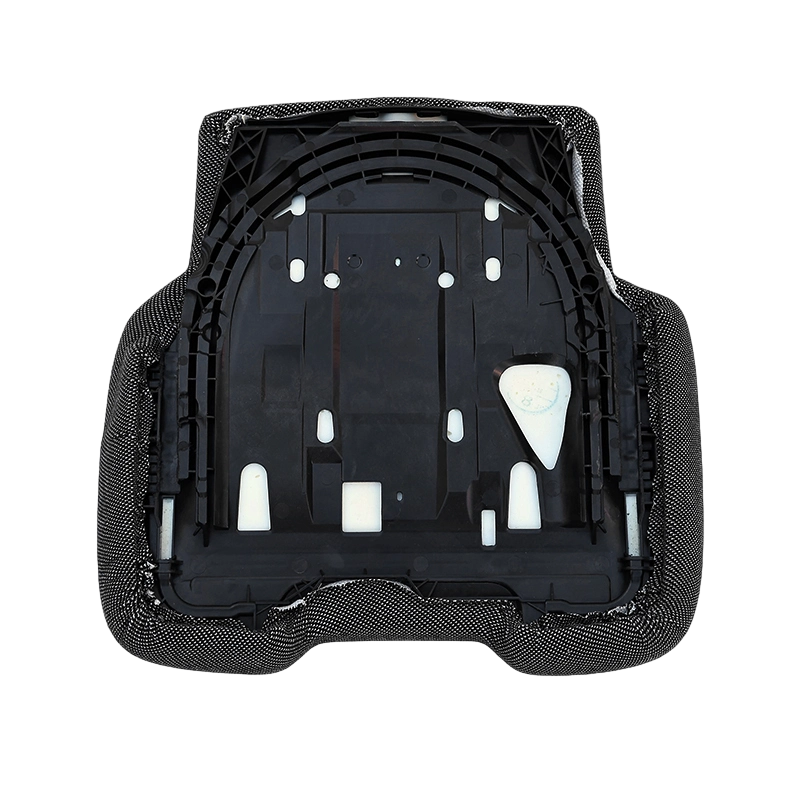 Replacement Seat Cushion for Forklift and Construction Machinery SeatsA durable replacement cushion for worn driver seats, designed to restore comfort and contact support while keeping the existing backrest and suspension in service.View Product →
A replacement cushion restores the contact surface, but the backrest takes the lumbar load and usually wears faster on reach trucks and stackers where the operator sits twisted. Replace both at the same time when the foam on either side has hardened.
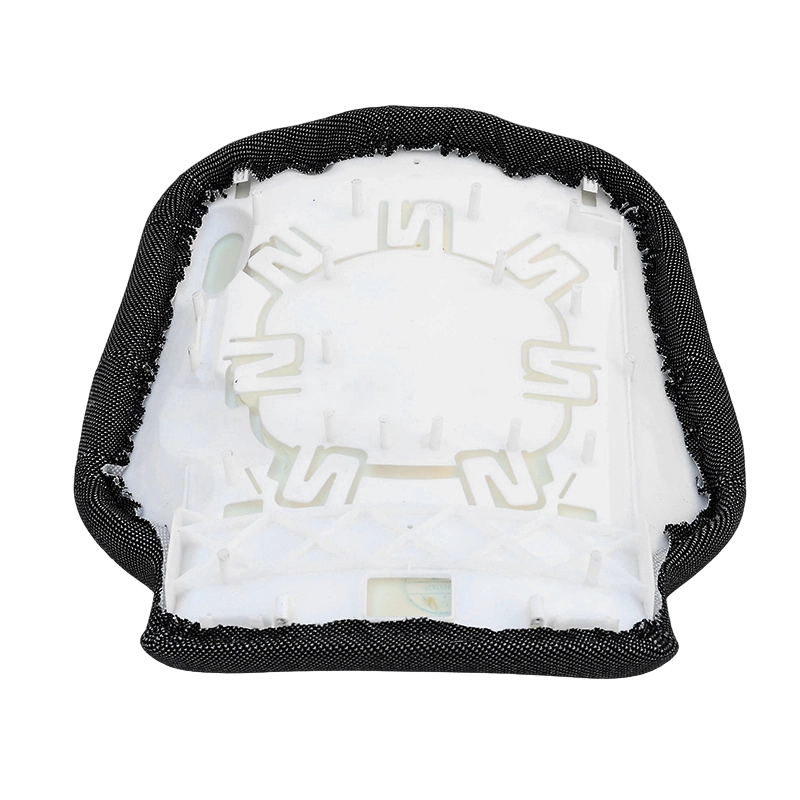 Replacement Seat Backrest for Construction Machinery Driver SeatsA replaceable backrest that restores lumbar support and comfort when the original foam or surface wears, without replacing the complete seat assembly.View Product →
When the frame or suspension is also damaged, a complete low-profile mechanical suspension seat is the correct answer. Hangzhou Benfeng Auto Seat Co., Ltd. has built non-road and industrial vehicle seats since 2007 from a 14,000 m2 plant and states that it is one of the drafting units of the JB/T 13693-2019 machinery industry standard for industrial truck driver seats.
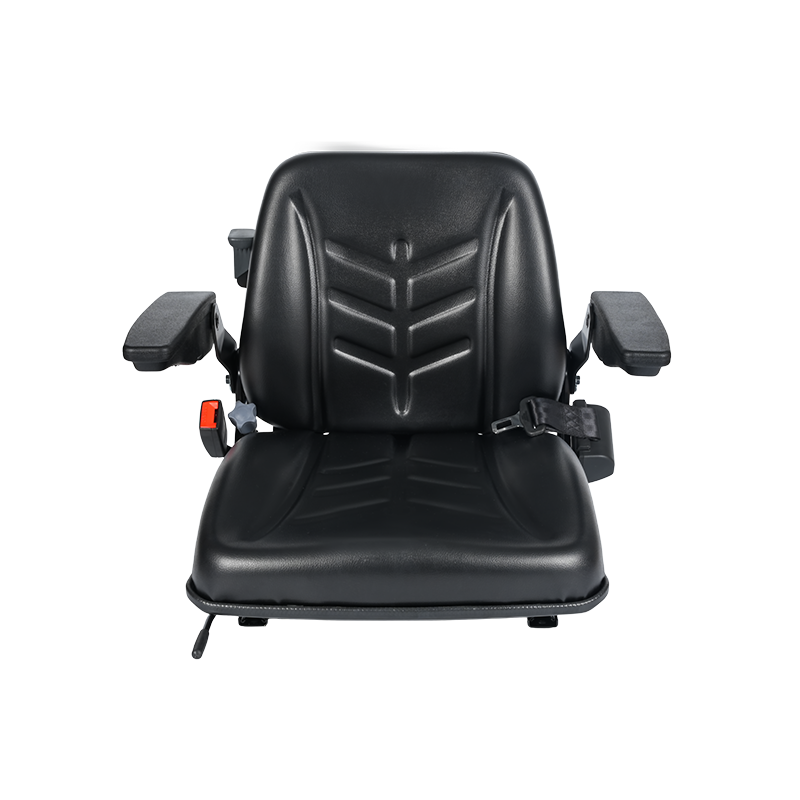
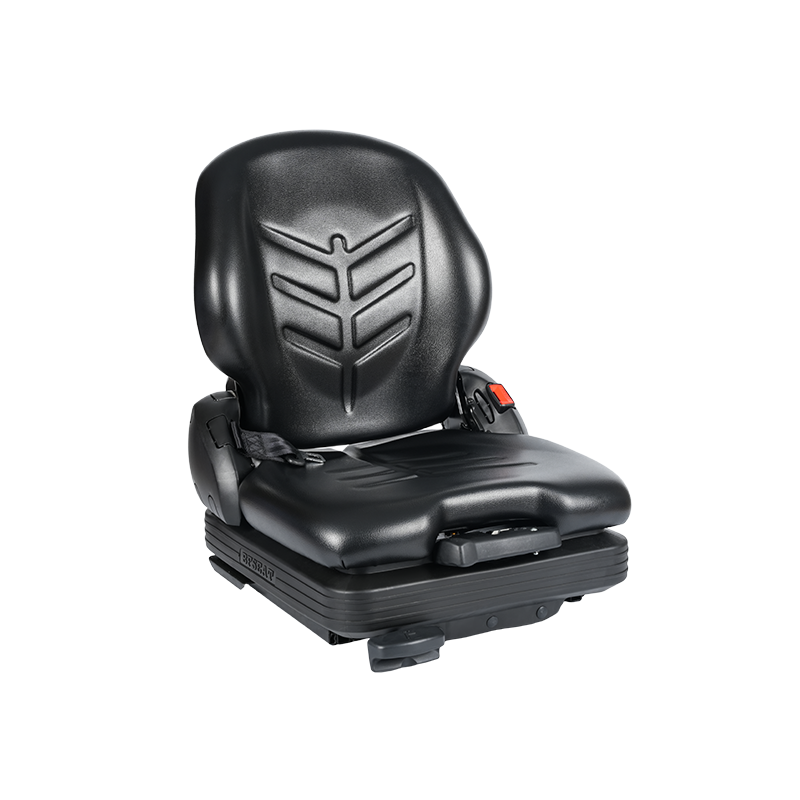 BF16 Low-Profile Mechanical Suspension Seat for ForkliftsA compact low-profile vinyl mechanical suspension seat for multi-tonnage forklifts, certified to EN 13490 IT1+IT2, with OPS and a two-point safety belt.View Product →
Models in that range carry EN 13490 IT1 and IT2 plus ISO 7096 certification, which means a cover or a replacement cushion for those platforms can be checked against a documented seat specification rather than a generic pattern taken from a photograph.
Inspection and Replacement Interval
Inspect covers at every 500-hour service interval and replace them at the first crack that exposes the backing fabric.
- Coating cracks or shiny worn patches along the front cushion edge, where the operator slides in and out.
- Seams pulled or stitching broken at the thigh and lumbar contact points.
- Oil saturation that no longer wipes clean after washing.
- Elastic hem or strap failure that lets the cover bunch under the operator.
- Any cover that has shifted over the OPS switch, the belt stalk or a suspension lever.
Buyer Questions on Fit, Compliance and Service Life
Do forklift seat covers fit every truck?
No. Covers are cut for one seat platform, and a single truck model can carry two different seats across production years. Measure the cushion and backrest, confirm the seat plate, and treat so-called universal covers as a temporary measure only.
Can a cover be fitted to a mechanical suspension seat?
Yes, provided the cover leaves the suspension stroke and the weight adjustment lever free. Keep total added thickness under 6 mm on low-profile suspension seats and re-check the lap belt angle afterwards.
How long does a PVC forklift seat cover last?
Expect 18 to 36 months on a single-shift truck with a 650 g/m2 HD PVC cover, and roughly half that on a three-shift operation. Replace at the first crack exposing the backing, not when the surface merely looks worn.
Does a cover affect OPS switch or seat belt compliance?
It can. A cover that presses on the operator presence switch or restricts the buckle path takes the truck outside its certified configuration. EN 13490 and ISO 7096 certification applies to the complete seat assembly, so any change to the operator interface must be verified before the truck returns to service.
-
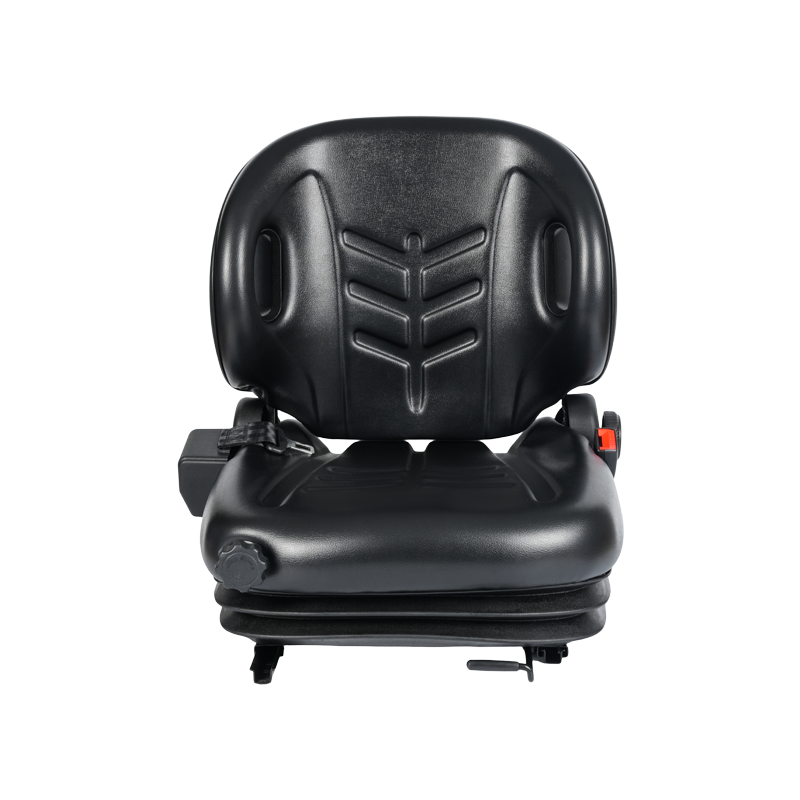
BF2-3AB EN 13490 IT1+IT2 Certified Counterbalance Forklift Seat with Mechanical Suspension OPS Switch & Universal Multi-Function Mounting System Compatible with Toyota Jungheinrich
-
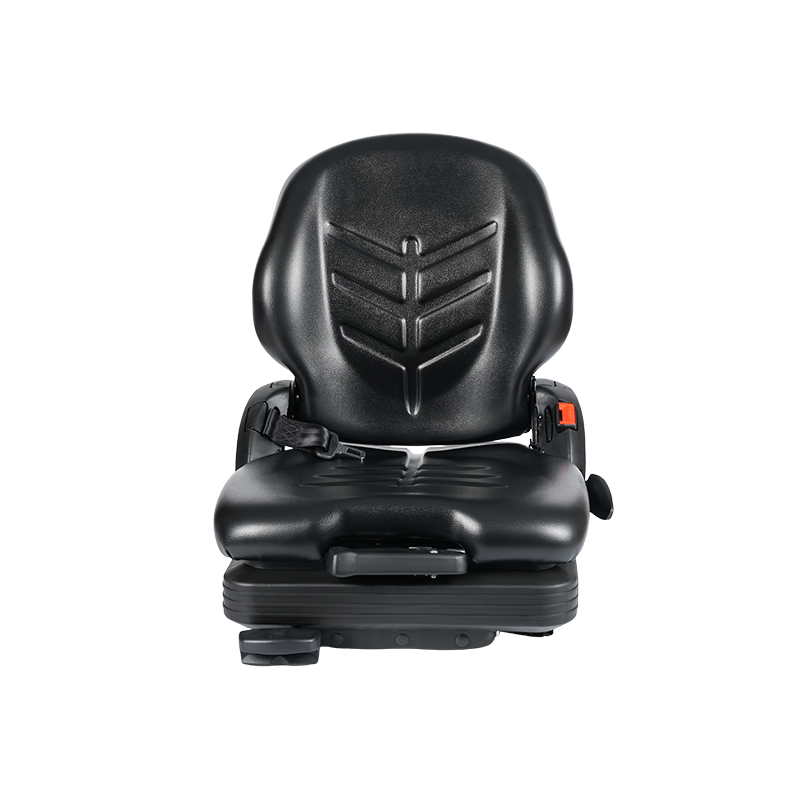
BF16 Low-Profile Vinyl Replacement Mechanical Suspension Seat for Material Handling Forklift Equipment - Black with EN 13490 IT1+IT2
-
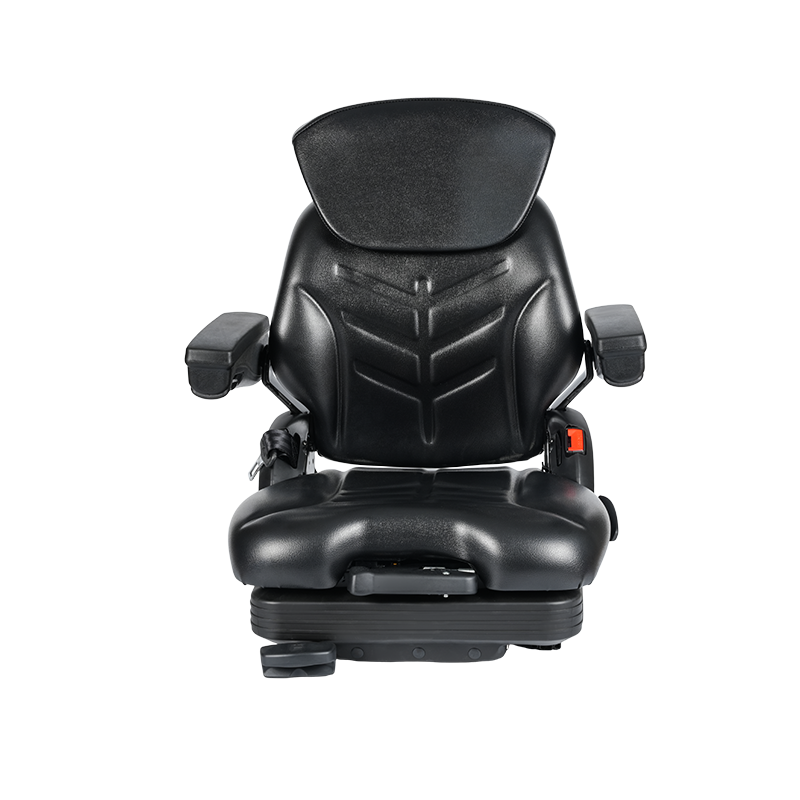
BF16MCD EN 13490 IT1+IT2 & ISO 7096 Dual-Certified Low-Profile Mechanical Suspension Seat Integrated safety belt and OPS (Operator Presence Switch)
-
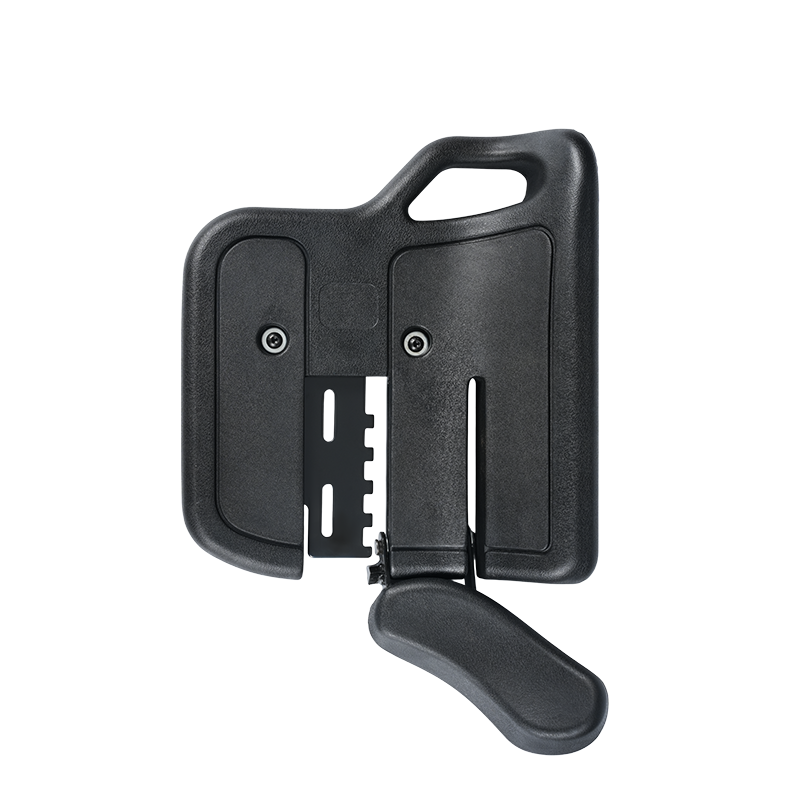
BF3 Single-Mold Polyurethane Eco-Friendly Seat with Vehicle-Contoured Design | Cost-Efficient Abrasion-Resistant Version for Stand-On Reach Forklifts
-
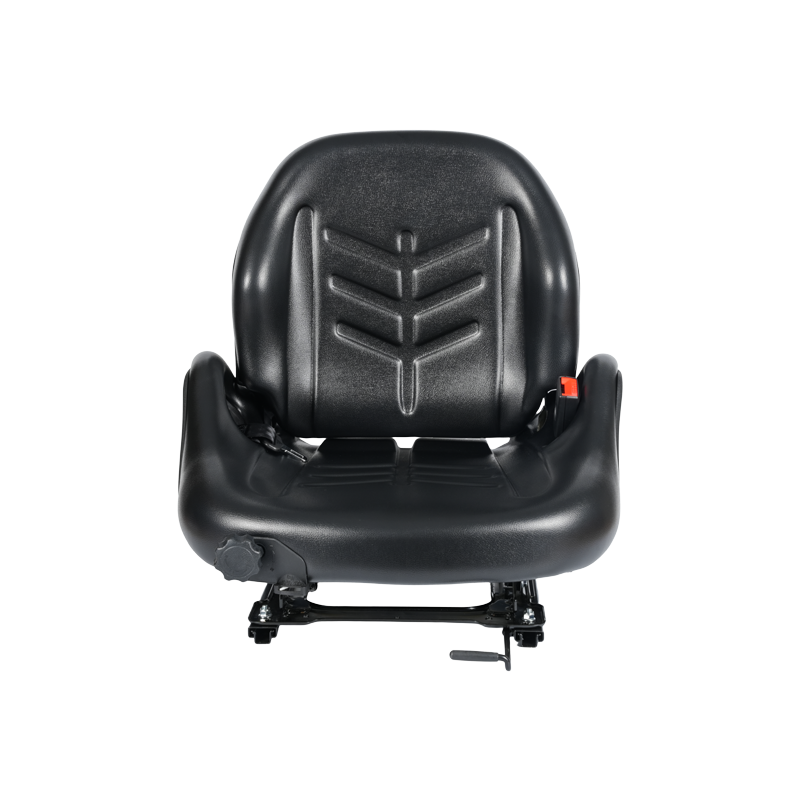
BF5-3 EN 13490 IT1+IT2 Certified Suspension Seat with safety belt & OPS (Operator Presence Switch) | Wide-Operator Design Compatible with Hangcha, Nissan, TCM, Mitsubishi Forklifts
-
Copyright @ Hangzhou Benfeng Auto Seat Co., Ltd. All rights reserved Privacy OEM/ODM Ergonomic Industrial Seats Manufacturers
浙ICP备20022099号