
 中文简体
 English
 Français
 Español
 عربى
-

(86)-0571-82550327
-

info@bfseats.com
-




Forklift Seat Cover Guide: PVC vs Vinyl, Fitment, and Replacement Rules
Content
- 1 What a Forklift Seat Cover Protects and What It Cannot Fix
- 2 PVC, Vinyl, or Single-Mold Polyurethane: Choosing the Cover Material
- 3 Fitment: Why Most Forklift Seat Covers Fail in the First Year
- 4 Cover, Cushion, or Complete Seat Replacement?
- 5 EN 13490, ISO 7096, and JB/T 13693-2019: Covers on Certified Seats
- 6 A Maintenance Routine That Extends Cover Life
- 7 Forklift Seat Cover Questions Answered
Three-shift counterbalance trucks in a 24-hour distribution center log 5,000 to 6,000 operating hours a year, and the forklift seat cover absorbs every one of them. Operators slide across the cushion edge on every dismount, hydraulic oil finds the front seam, and fine warehouse dust works into the stitch lines. By the time a cover visibly splits, the foam underneath has usually been degrading for months.
Forklift seat cover: the outer skin, bonded or stretched, that shields the cushion foam, backrest foam, and stitching of an industrial truck seat. It carries no structural load of its own, but it protects the components that do.
Replacing a cover is the cheapest intervention available on a worn operator station, and it is also the one most often specified badly. The useful questions are which material the truck actually needs, where fitment goes wrong, and when a cover is the wrong purchase altogether.
What a Forklift Seat Cover Protects and What It Cannot Fix
A forklift seat cover protects foam, stitching, and the suspension assembly below the cushion from abrasion, oil, and dust. It cannot restore seat geometry, rebuild collapsed foam, or repair a damaged belt anchor point.
On an industrial truck seat, wear concentrates in three predictable places: the outer bolster where operators slide in and out, the front cushion edge loaded by thigh contact all shift, and the backrest seam line, which fails first wherever dust and moisture meet.
A cover or cushion swap on a low-profile forklift seat takes 30 to 45 minutes with hand tools. A complete seat replacement takes two to four hours, because the harness, operator presence switch, slide rails, and belt anchors all have to be reconnected and rechecked.
Re-covering is the wrong decision once damage has passed the skin. Replace the seat assembly when any of the following applies:
- Foam does not spring back after the cushion is compressed by hand and released
- The seat pan, slide rails, or suspension linkage is bent, seized, or cracked
- The retractable belt no longer returns to its rest position
- The operator presence switch is bypassed or triggers intermittently
Two or more of those conditions means a new cover restores appearance and nothing else.
PVC, Vinyl, or Single-Mold Polyurethane: Choosing the Cover Material
High-density PVC and single-mold polyurethane outlast standard vinyl in forklift service, and woven fabric does not belong on an industrial truck seat at all. Material choice should follow the operating environment, not the price list.
| Cover material | Oil and chemical resistance | Relative abrasion index | Best-fit duty |
| High-density PVC | High | 100 | Internal combustion, dusty yards, multi-shift |
| Standard vinyl | Moderate | 60 | Clean indoor warehouse, single shift |
| Single-mold polyurethane | High | 90 | Fleet standardization, wash-down areas |
| Woven nylon or fabric | Low | 45 | Not recommended for forklift duty |
The abrasion column is a comparative index with high-density PVC set at 100. It ranks materials against each other rather than describing an absolute laboratory standard.
HD PVC is the default for trucks working in dust, outdoor yards, and wash-down areas because its smooth surface releases oil and grit instead of absorbing them. Fleets that standardize on it usually start from the same reasoning behind HD PVC in forklift seat design.
Single-mold polyurethane removes stitched seams entirely, which eliminates the failure mode responsible for the second-largest share of replacements. It costs more per unit and is harder to repair locally, so it suits fleets that standardize one seat model across hundreds of trucks.
Fitment: Why Most Forklift Seat Covers Fail in the First Year
Most premature forklift seat cover failures are fitment failures, not material failures. A cover that restricts suspension travel, blocks a switch, or sits on a foam shape it was not molded for will tear long before the material itself wears out.
Five fitment checks decide whether a cover survives its first year:
- Suspension clearance: the cover must not restrict the full downward stroke of a mechanical or semi-suspension seat
- Cut-outs: armrest mounts, belt exits, and switch openings must align within a few millimetres
- Thickness: a cover that adds more than about 3 mm over the original changes the hip point and can alter belt routing
- Attachment: hook-and-loop, hog rings, and bonded covers behave differently under lateral load, and sliding entry pulls hardest on the outer bolster
- Slide rail clearance: a fitted cover that touches the rail will be cut by it within weeks
Cracking and UV aging lead the list, but the entry-edge and seam figures are the two a specification can change. Both fall when fitment is correct and the material is rated for the truck's actual environment.
Cover, Cushion, or Complete Seat Replacement?
Re-cover when only the outer skin is damaged and the foam still springs back. Replace the cushion when foam has lost height or the cover is bonded directly to it. Replace the complete seat when suspension, belt anchors, or the seat pan are compromised.
Re-cover or cushion swap
- Lowest part cost and shortest downtime
- Keeps the original certified seat platform
- Requires an OEM-matched skin and foam shape
- Right choice when suspension and belts test good
Complete seat replacement
- Resets foam, suspension, and hardware together
- Two to four hours of labor including reconnection
- Restores the certified vibration performance
- Right choice when two or more systems have failed
A replacement cushion is usually the highest-value single purchase for a truck whose suspension still works, because the foam and skin arrive matched and the mounting holes already line up with the seat pan.
 Seat CushionHighly Durable Replaceable Seat Cushion for Construction Machinery This high-performance replacement seat cushion is designed specifically for driver seats in construc...View Product →
The backrest is the second wear point to inspect. Backrest foam carries steady lumbar pressure rather than impact, so it compresses gradually and the damage is easy to miss until the cover has already split along the top edge.
 Seat BackrestHigh-Performance Replaceable Backrest for Construction Machinery SeatsView Product →
EN 13490, ISO 7096, and JB/T 13693-2019: Covers on Certified Seats
Replacing a forklift seat cover with the OEM-specified part keeps a certified seat compliant. Changing cover thickness, foam density, or belt anchor geometry can invalidate the vibration and restraint performance the seat was originally tested to.
Three standards matter when a cover is specified for a machine that ships into regulated markets:
- EN 13490 covers industrial truck operator seats in Europe, including vibration and strength requirements, with seats commonly declared against defined categories
- ISO 7096 describes laboratory evaluation of operator seat vibration for earth-moving machinery using EM categories
- JB/T 13693-2019 is the Chinese machinery industry standard for industrial vehicle driver seats
Hangzhou Benfeng Auto Seat Co., Ltd. is named among the drafting units of JB/T 13693-2019 and supplies seats that carry CE, EN 13490, and ISO 7096 declarations, which makes the cover part number traceable back to a tested configuration.
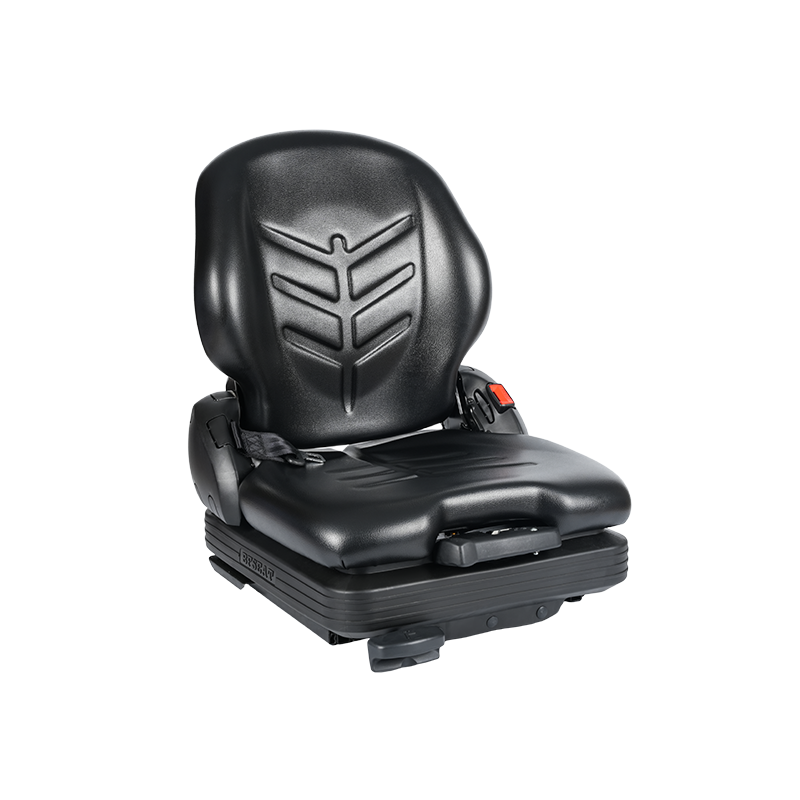 BF16 Low-Profile Vinyl Replacement Mechanical Suspension Seat for Material Handling ForkliThe best-in-class mechanical low-profile shock-absorbing seats combine excellent shock absorption, durability, and a smooth ride. Core features: Mechanical suspension ...View Product →
Record the cover material and part number in the maintenance file whenever a certified seat is re-covered. That single line is what keeps a fleet audit from turning into a re-test.
A Maintenance Routine That Extends Cover Life
Five minutes of cleaning a week is the highest-return maintenance action available on a forklift seat. Contaminants do the damage, not the hours.
- Wipe the cushion and backrest with a damp cloth at the end of every shift, so oil never sits in the seam overnight
- Vacuum the seam lines weekly and lift the front cushion edge to clear trapped grit
- Check monthly for foam crumbs under the seat pan, which signal that the cushion has begun to break down
- Inspect quarterly for cuts, hardening, and stitch failure, and confirm the belt still retracts fully
Replace rather than patch when a cut exceeds 25 mm, when foam crumbs appear under the seat pan, or when cleaning no longer removes the surface film left by hydraulic oil. Adhesive patches hold for weeks at best and trap moisture against the foam.
Exposure is cumulative, so a truck that runs two shifts instead of three will not simply take 50 percent longer to wear out a cover. Dust loading, wash-down frequency, and how operators mount the machine usually decide the outcome first.
Forklift Seat Cover Questions Answered
How often should a forklift seat cover be replaced?
On a three-shift truck, expect 18 to 36 months from a bonded high-density PVC cover. A single-shift indoor truck running standard vinyl can go longer. Inspect at every 500-hour service interval and replace as soon as the foam underneath shows through or the seam opens.
Can a universal forklift seat cover fit any seat?
No. Universal covers fit the cushion dimensions of common seat platforms, but they cannot match cut-outs for armrests, belt exits, or operator presence switches. Check suspension travel clearance and switch alignment before ordering.
Does replacing a seat cover affect EN 13490 certification?
Only if the replacement changes the tested configuration. An OEM cover of the same material and thickness keeps the declaration intact. A thicker cover, denser foam, or modified belt anchor path can change vibration and restraint results and requires re-verification.
What is the difference between a seat cover, a cushion, and a seat assembly?
A cover is the outer skin only. A cushion is the skin plus the foam block, ready to bolt onto the seat pan. A seat assembly includes the pan, suspension, rails, belt, and hardware. Each step up the list costs more and solves a different class of problem.
Specify the cover for the environment the truck works in, verify fitment before the invoice is approved, and treat foam collapse as a cushion problem rather than a skin problem. That sequence keeps the cheapest part of the operator station from quietly becoming the most expensive one.
-
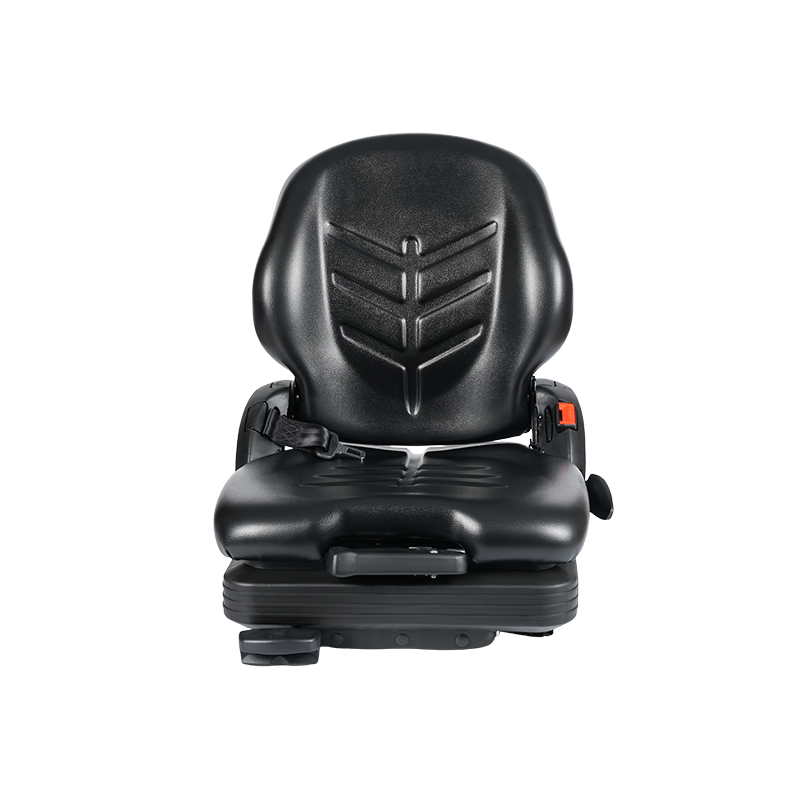
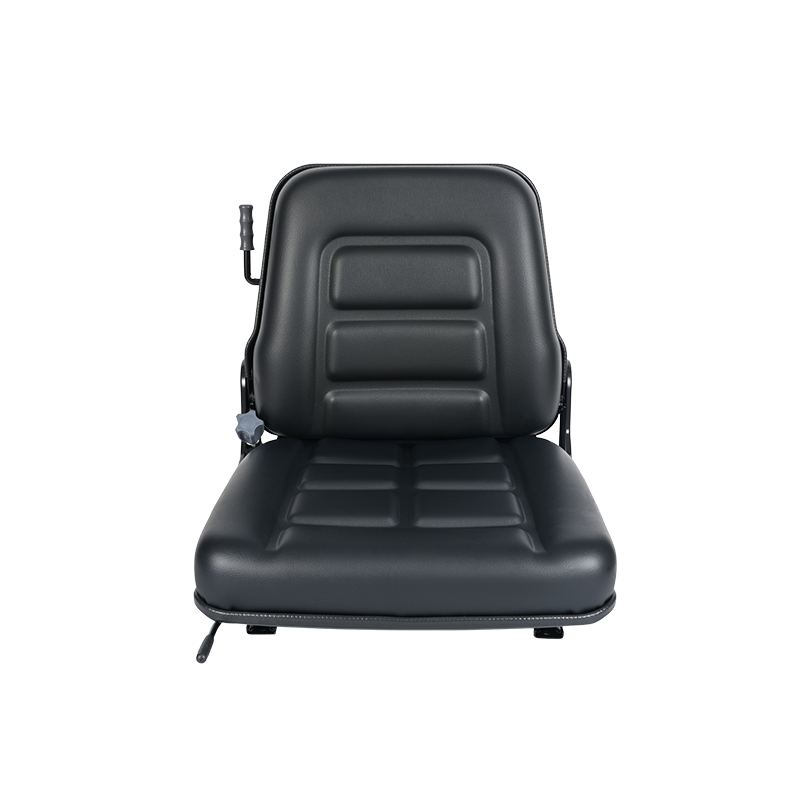
BF16 Low-Profile Vinyl Replacement Mechanical Suspension Seat for Material Handling Forklift Equipment - Black with EN 13490 IT1+IT2
-
-
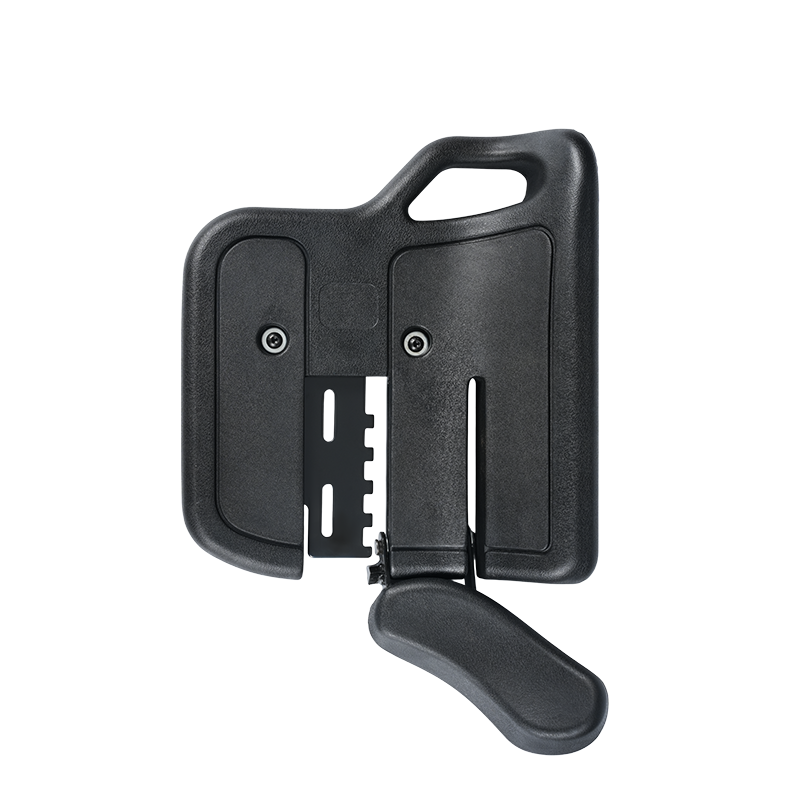
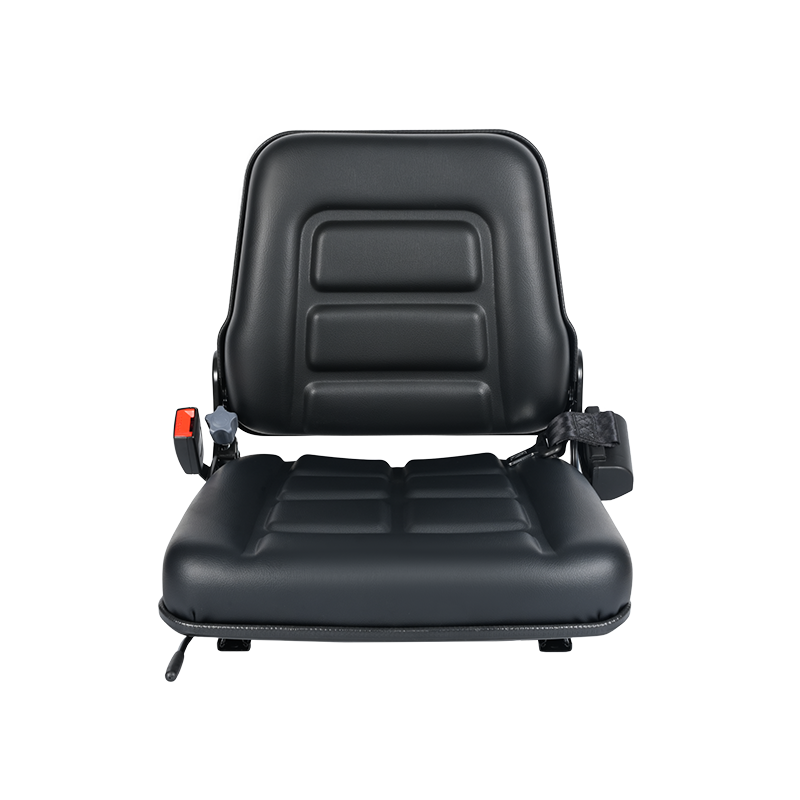
BF3 Single-Mold Polyurethane Eco-Friendly Seat with Vehicle-Contoured Design | Cost-Efficient Abrasion-Resistant Version for Stand-On Reach Forklifts
-
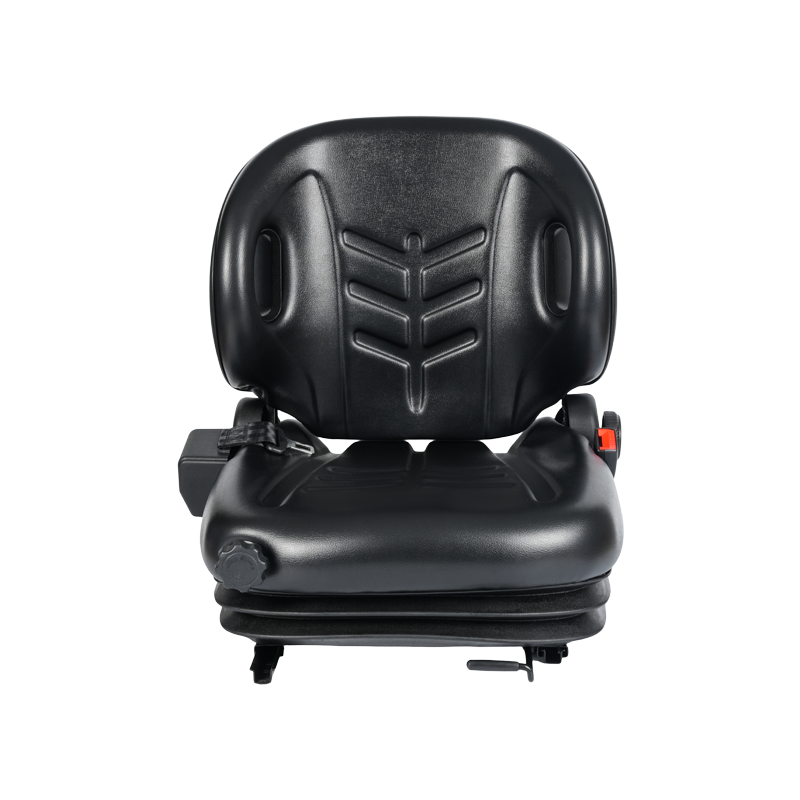
BF2-3AB EN 13490 IT1+IT2 Certified Counterbalance Forklift Seat with Mechanical Suspension OPS Switch & Universal Multi-Function Mounting System Compatible with Toyota Jungheinrich
Copyright @ Hangzhou Benfeng Auto Seat Co., Ltd. All rights reserved Privacy OEM/ODM Ergonomic Industrial Seats Manufacturers
浙ICP备20022099号