
 中文简体
中文简体 English
 Français
 Español
 عربى
عربى-

(86)-0571-82550327
-

info@bfseats.com
-




Construction Machinery Seats: Selection & Safety Guide
Content
- 1 Suspension System Selection: Mechanical versus Air for Construction Equipment
- 2 Safety Features Required for Construction Machinery Seats
- 3 Factors Affecting Operator Seat Comfort and Productivity
- 4 Seat Material Durability: What Lasts Longest in Construction Environments
- 5 Selection Framework: Matching Seat to Machine Type and Duty Cycle
- 6 Cost-Benefit Analysis: Premium Features and Return on Investment
Suspension System Selection: Mechanical versus Air for Construction Equipment
The suspension system is the most important component determining vibration isolation and operator fatigue. Two primary technologies dominate the market: mechanical spring suspension and air suspension. The choice affects daily comfort and long-term health outcomes. ISO 7096 defines whole-body vibration exposure limits, and the suspension system is the primary tool for keeping vibration within safe levels.
Air suspension seats use compressed air from the machine's existing system or a dedicated compressor. An air bladder provides infinite damping adjustment and automatic weight compensation, typically covering operators from 50 to 160 kilograms. Mechanical seats rely on steel coil or torsion springs with manual weight adjustment, usually covering 50 to 130 kilograms.
A large earthmoving contractor operating dozers on rocky terrain replaced 45 mechanical suspension seats with air suspension units. Over 12 months, operator sick days related to back pain dropped by 52 percent. The payback period for the air suspension upgrade was 14 months based on reduced absenteeism and increased productivity. For machines operating fewer than 4 hours per shift on relatively smooth surfaces, mechanical suspension provides adequate comfort at lower initial cost. However, for any machine operating 6 or more hours daily or on rough terrain such as dozers, compactors, and large excavators, air suspension is the recommended choice.
| Suspension Type | Best Machine Applications | Vibration Isolation | Cost Factor | Service Life |
|---|---|---|---|---|
| Air Suspension | Dozers, compactors, large excavators, motor graders | Excellent at low frequencies | 1.6x baseline | 5000-8000 hours |
| Mechanical Spring | Small excavators, skid steers, backhoes, loaders | Good at high frequencies | 1.0x baseline | 3000-5000 hours |
Safety Features Required for Construction Machinery Seats
Construction machinery seats must meet specific safety standards including ISO 7096 for vibration, ISO 6683 for seat belt anchorage, and SAE J386 for operator restraint. Beyond basic compliance, several safety features are critical for preventing injury during rollover or impact events.
- Integrated seat belt with pretensioner: Three-inch wide belts with automatic locking retractor are standard for ROPS-equipped machines. The pretensioner removes slack instantly during sudden deceleration, keeping the operator securely positioned.
- Head restraint: Adjustable headrest prevents whiplash during rear impacts. Must extend at least 750mm above the seat reference point per ISO 6683.
- Mechanical suspension lockout: Automatically engages when the seat is unoccupied to prevent uncontrolled movement. Includes landing speed dampening to cushion bottoming.
- Side impact protection: Reinforced seat frame and energy-absorbing foam in side bolsters reduce injury risk during lateral impacts common in excavator swing operations.
- Seat belt indicator light: Dashboard warning illuminates when the machine is running and the belt is unbuckled. Fleet studies show this reduces unbelted operation by approximately 85 percent.
A mining contractor reported zero seat-related injuries over 8 million operating hours after implementing a fleet-wide upgrade to seats with three-inch pretensioning belts and side impact protection. Prior to the upgrade, they averaged four injuries annually from operators being thrown within the cab during sudden machine movements. The cost of the seat upgrade was 220,000 USD but prevented an estimated 1.8 million USD in injury claims and lost time over three years.
Factors Affecting Operator Seat Comfort and Productivity
Comfort is determined by multiple factors beyond suspension type. Seat dimensions, adjustability range, cushion materials, and climate control features all contribute to operator well-being and productivity. The following table outlines key comfort specifications for different operator profiles.
| Comfort Feature | Specification Range | Productivity Impact |
|---|---|---|
| Seat width | 460-520mm standard, 550mm for large operators | Reduces need for adjustment breaks by 15 percent |
| Fore-aft adjustment travel | 180-220mm total | Accommodates 5th to 95th percentile operators |
| Weight adjustment range | 50-130kg mechanical, 50-160kg air | Proper adjustment prevents bottoming and ride harshness |
| Backrest angle | 15 to 30 degrees from vertical | Reduces lumbar spine pressure by up to 40 percent |
| Armrests | Height and angle adjustable, flip-up design | Reduces shoulder muscle fatigue by 30 percent for long shifts |
Seat heating and ventilation are increasingly common on premium construction seats. A study of 200 operators showed that ventilated seats reduced reported discomfort scores by 35 percent in hot climates, directly improving afternoon productivity. Heated seats are recommended for any machine operating in ambient temperatures below 5 degrees Celsius, as cold seat surfaces cause muscle tension and slower reaction times. The combination of heating and ventilation adds approximately 15 percent to seat cost but typically pays back within one year through reduced operator fatigue-related downtime.
Seat Material Durability: What Lasts Longest in Construction Environments
Material selection directly determines seat service life. Construction seats face extreme conditions including dirt, grease, oil, moisture, UV exposure, and abrasive wear from operator clothing, tools, and equipment. The table below compares common seat cover materials used in construction machinery.
| Material | Durability Rating | Cleaning Ease | Breathability | Cost Factor | Typical Service Life |
|---|---|---|---|---|---|
| Heavy-duty vinyl | Excellent | Very easy | Poor | 1.0x | 5-7 years |
| Polyester fabric | Good | Moderate | Excellent | 1.1x | 3-5 years |
| Synthetic leather | Very good | Easy | Good | 1.3x | 4-6 years |
| HDPE mesh | Excellent | Easy | Excellent | 1.5x | 6-8 years |
| Vinyl with Kevlar stitching | Best | Very easy | Poor | 1.8x | 8-10 years |
For general construction applications including excavators and wheel loaders, heavy-duty vinyl offers the best balance of durability and cost. It resists oil, grease, and moisture while being easily wiped clean. For hot climates where breathability is essential, HDPE mesh provides excellent airflow and wear resistance but is more expensive. A road construction company operating 25 motor graders in desert conditions found that switching from polyester fabric to HDPE mesh extended seat cover life from 18 months to over 5 years, saving approximately 1,200 USD per machine annually in replacement costs and downtime.
Stitching quality is as important as the cover material. Double-stitched seams with UV-resistant thread and reinforced corners at high-wear areas double service life. Foam density also matters significantly: high-resilience polyurethane foam with minimum density of 60 kilograms per cubic meter maintains shape for 5,000 hours minimum, while lower density foam flattens within 2,000 hours. Foam with integrated cooling gel layers adds cost but improves comfort in high-heat applications.
Selection Framework: Matching Seat to Machine Type and Duty Cycle
Different machine types impose different vibration profiles and operator demands. Use the following framework to match seat specifications to specific equipment types based on field data from 200 construction sites.
- Dozers and compactors: These machines produce high whole-body vibration during long shifts. Air suspension is mandatory with ISO 7096 certification. High-back design with head restraint, heavy-duty vinyl or mesh cover, and integrated seat belt pretensioner are required.
- Large excavators: High lateral shock loads occur during swing operations. Air suspension is recommended with reinforced side bolsters, mechanical suspension lockout, adjustable armrests, and seat belt indicator light.
- Wheel loaders: Frequent direction changes create medium vibration levels. Air or premium mechanical suspension with heavy-duty vinyl cover, fore-aft isolator to reduce lurching, and wide seat pan for operator stability.
- Motor graders: Long operating hours on variable terrain demand air suspension. Heated and ventilated seats are recommended along with high-durability mesh or vinyl, and armrests with integrated control provisions.
- Small excavators and skid steers: Short duty cycles with frequent entry and exit. Mechanical suspension is acceptable. Vinyl cover for easy cleaning, flip-up armrests for cab access, and durable stitching at wear points.
Cost-Benefit Analysis: Premium Features and Return on Investment
Investing in higher-specification construction machinery seats requires justification through reduced operating costs. The following analysis is based on a typical 2,000-hour-per-year machine with an operator cost of 45 USD per hour including benefits.
- Air suspension upgrade: Adds 400-600 USD per seat. Reduces fatigue-related productivity loss by an estimated 5 percent. Annual productivity savings of 4,500 USD per machine. Payback period of 1.5 to 2 months.
- Ventilated seat: Adds 300-450 USD per seat. Reduces discomfort-related breaks in hot climates by 20 minutes per day. Annual savings of 1,800 USD per machine. Payback period of 2 to 4 months.
- Heavy-duty vinyl with Kevlar stitching: Adds 150-250 USD compared to standard vinyl. Extends seat cover life from 3 years to 7 years. Annualized savings of 70-100 USD per seat plus reduced replacement labor.
- Full premium package: Air suspension plus ventilation plus heavy-duty materials adds 1,000-1,500 USD. Combined productivity and maintenance savings of 6,000-8,000 USD annually per machine. Payback period of 2 to 3 months.
-
-
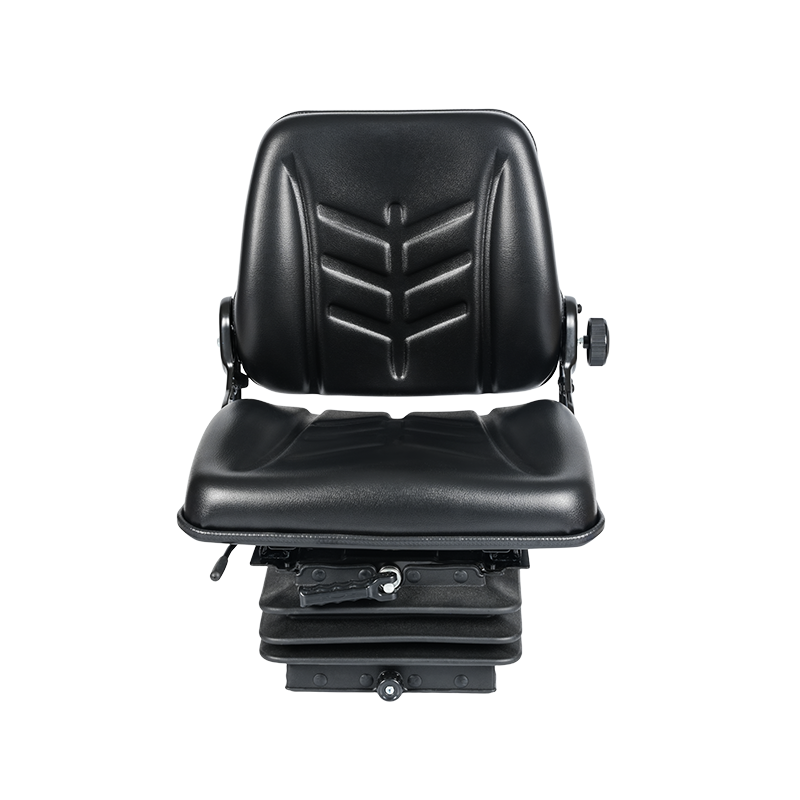
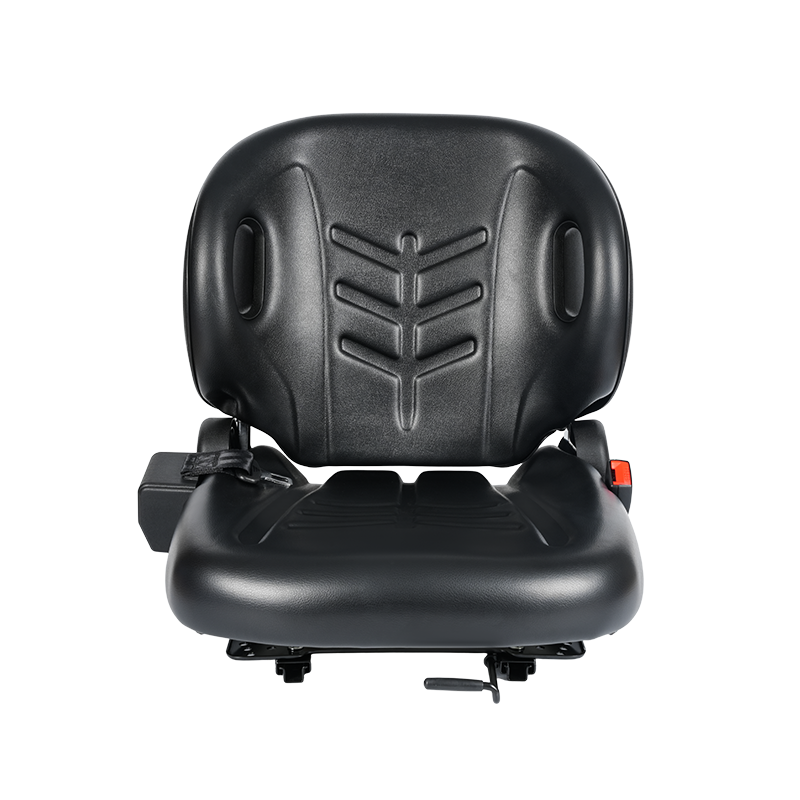
BF8-2+G180 Full-Suspension Construction Machinery Seat with Wide Tilt Backrest & 100mm Adjustable Shock Frame
-
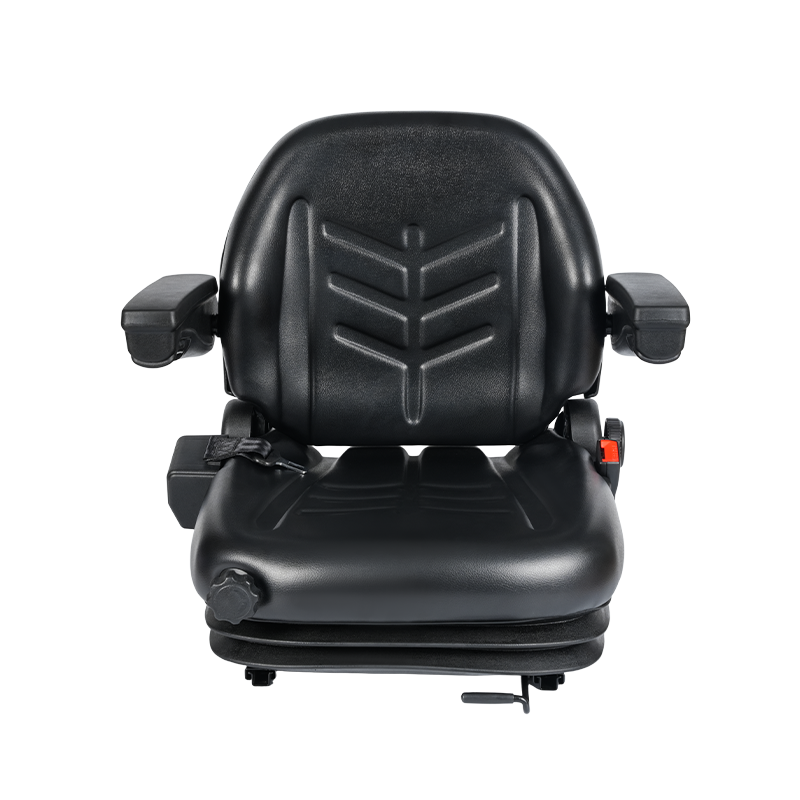
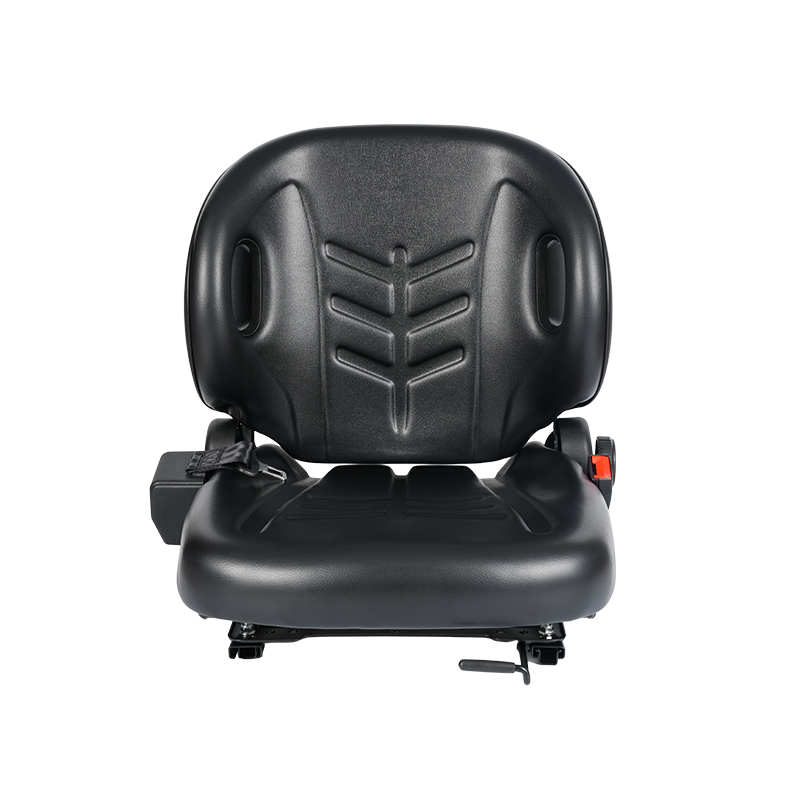
BF2-3AR Heavy-Duty Full-Suspension Construction Machinery Seat with Universal Mounting for Excavators & Loaders
-
Copyright @ Hangzhou Benfeng Auto Seat Co., Ltd. All rights reserved Privacy OEM/ODM Ergonomic Industrial Seats Manufacturers
浙ICP备20022099号