
 中文简体
中文简体 English
 Français
 Español
 عربى
عربى-

(86)-0571-82550327
-

info@bfseats.com
-




Agricultural Machinery Seats: Selection, Comfort & Materials
Content
The best agricultural machinery seats combine suspension systems rated for the operator's weight range, UV- and moisture-resistant outer materials, ergonomic lumbar support, and equipment-specific mounting patterns. For long daily operating hours — commonly 8 to 14 hours during harvest season — air-suspended seats with vinyl or PVC upholstery consistently outperform basic foam-spring alternatives in operator fatigue reduction and long-term durability.
Key Factors When Selecting Agricultural Machinery Seats for Different Equipment Types
Not all farm machinery seats are interchangeable. A seat designed for a compact utility tractor behaves differently under the vibration profile of a combine harvester or the lateral sway of a sprayer. Matching seat specification to machine type is the first and most critical selection decision.
| Equipment Type | Primary Vibration Axis | Recommended Suspension | Key Seat Feature |
| Row-Crop Tractor | Vertical (Z-axis) | Air or mechanical spring | Wide seat pan, lumbar adjust |
| Combine Harvester | Vertical + lateral | Air suspension, full-suspension cab seat | Lateral damping, armrests |
| Self-Propelled Sprayer | Lateral (Y-axis) | Active air suspension | Lateral isolation, high backrest |
| Mini Excavator / Loader | Fore-aft + vertical | Mechanical spring | Compact footprint, swivel option |
| ATV / Utility Vehicle | Multi-axis | Foam + base spring | Weatherproof, compact profile |
| Ride-On Mower | Vertical | Foam spring or coil spring | Lightweight, UV-stable material |
Beyond equipment type, five additional factors govern the right selection:
Best Agricultural Machinery Seats for Operator Comfort During Long Working Hours
Research from the European Agency for Safety and Health at Work identifies whole-body vibration (WBV) as a leading occupational risk for tractor operators, with back and spinal disorders affecting up to 50% of long-term farm machine operators. The EU Vibration Directive 2002/44/EC sets an eight-hour daily exposure action value of 0.5 m/s² and a limit value of 1.15 m/s². A high-quality suspended seat can reduce daily vibration exposure by 40–55% compared to a rigid-mount seat.
Uses a pressurized air bellows replacing mechanical springs entirely. Operator sets air pressure to match body weight via a dial, typically achieving 0–200 mm travel range. Attenuation performance of 45–55% vibration reduction. Best for row-crop tractors, combines, and self-propelled forage harvesters operating 8+ hours daily. Example: Grammer Maximo Dynamic Plus, Sears 2470 Series.
Uses coil or scissors-action springs with a mechanical weight-adjustment knob. Provides 80–120 mm travel. Vibration reduction of 25–35%. Cost-effective for equipment used 4–6 hours per day. Suitable for smaller tractors and ride-on equipment. Requires no maintenance unlike air systems.
Relies on foam density (typically 40–60 kg/m3) for cushioning. No mechanical travel. Suitable for ATVs, mini loaders, and short-duty-cycle equipment. Operators using this type for more than 3–4 hours daily report significantly higher fatigue and back discomfort scores in ergonomic surveys.
Comfort is not only about suspension. The following ergonomic features directly reduce operator fatigue during extended operation:
- Contoured lumbar support — adjustable in depth and height, targeting L3-L5 vertebra support. Seats with this feature show a 28% reduction in reported lower back pain scores in agricultural ergonomics studies.
- Armrests with joystick cutouts — reduces shoulder and elbow strain during precision operations. Padded armrests rated for at least 200 N static load are standard in premium models.
- Seat pan angle adjustment — tilting the seat forward 2–5 degrees reduces pressure on the posterior thighs and improves spinal posture.
- Heated seat option — relevant for spring and autumn operations. Maintains muscle temperature, reducing stiffness onset by approximately 45 minutes during cold-morning starts.
- Ventilated cushion — perforated seat pan with internal air circulation reduces contact-surface temperature by 4–6°C during summer field work, addressing heat stress in open-cab machines.
Materials Used in Agricultural Machinery Seats
Every layer of an agricultural machinery seat — from structural frame to surface cover — is selected for a specific function. Understanding the material stack helps buyers assess quality and expected service life.
Tractor Seat Materials for Durability and Weather Resistance
Tractor seats face a uniquely demanding material environment: prolonged UV exposure, rain, mud, diesel and lubricant splash, temperature extremes from -20°C winter mornings to +50°C summer cab interiors, and repetitive mechanical stress from daily mounting and dismounting. Material selection directly determines service life, which ranges from 3–5 years for economy seats to 10–15 years for premium models under comparable usage.
- Most widely used material for open-station tractor seats
- Waterproof — 0% water absorption per ASTM D570
- UV resistance: 1,500–2,500 hours depending on stabilizer package
- Operating temperature range: -15°C to +70°C
- Abrasion resistance: 50,000–80,000 Martindale cycles
- Easy to clean: resistant to diesel, hydraulic oil, mild acids
- Cost: low to mid-range; typical replacement cover cost $30–$80
- Premium cab tractor application
- Soft hand feel; preferred for 10+ hour daily operators
- UV resistance: 2,000–3,000 hours with UV-cure topcoat
- Abrasion resistance: 80,000–100,000 Martindale cycles
- Temperature range: -10°C to +60°C (can stiffen in cold)
- Less chemically resistant than vinyl — requires protective cleaning products
- Cost: mid to premium; $80–$200 for replacement covers
- Common on compact utility tractors and mini loaders
- Fully integrated — no separate cover to replace
- UV-stabilized via carbon black or HALS compounding
- Outdoor UV resistance: 3,000–5,000 hours
- Temperature range: -30°C to +80°C (superior to fabric covers)
- Impervious to all agricultural chemicals, mud, and pressure washing
- Cost: lowest total-cost-of-ownership over 10-year period
The foam specification inside tractor seats is equally critical for long-term durability. Agricultural-grade PU foam differs from furniture foam in three specific ways:
For operators working in extremely wet conditions — rice paddy tractors, irrigation management vehicles — fully molded EVA foam seats with no fabric component offer the best solution. EVA foam is closed-cell (0% water absorption), dimensionally stable across -20°C to +60°C, and can be hosed clean without any risk of internal moisture retention or mold growth.
When evaluating replacements or upgrades, check for these material certification markers as a minimum quality baseline:
- EN ISO 7096 compliance label — confirms seat has passed laboratory vibration attenuation testing
- REACH compliance for foam and cover materials — confirms absence of restricted substances relevant to operator skin contact
- CE marking (where applicable under EU Machinery Directive 2006/42/EC)
- ISO 4253 dimensional compliance — confirms the seat meets ergonomic adjustment range requirements
Choosing the right agricultural machinery seats is a direct investment in operator health, work efficiency, and equipment uptime. Prioritize suspension type and material specification to match your specific equipment type, operating environment, and daily duty cycle — and verify compliance with EN ISO 7096 as a non-negotiable baseline for any seat used in professional agricultural operations.
-
-
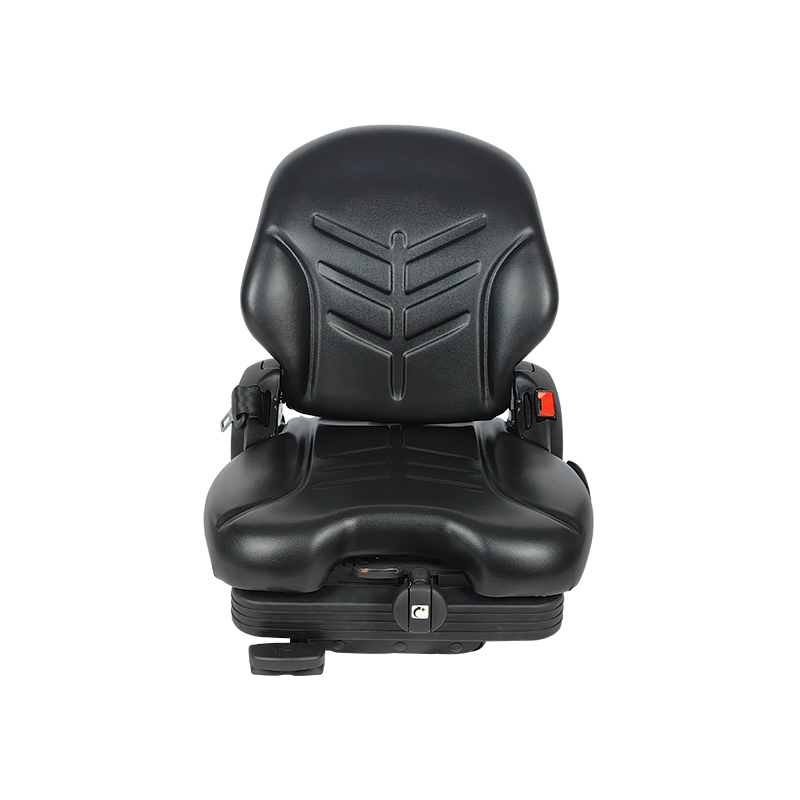
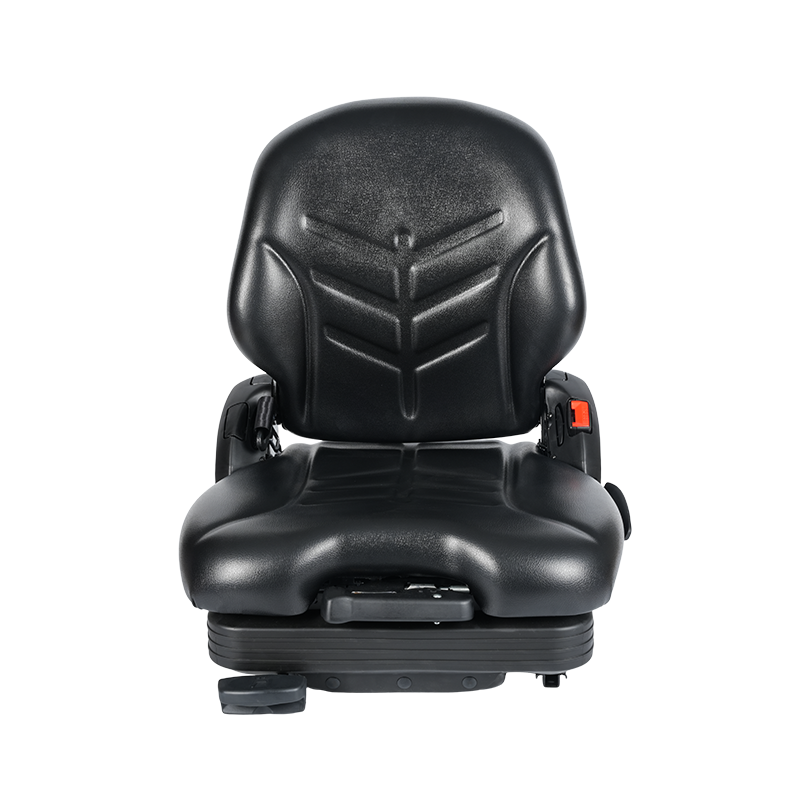
BF16M Heavy-Duty Agricultural Machinery Suspension Seat, Stepless Precise Damping Comfort Seat for Field Operation
-
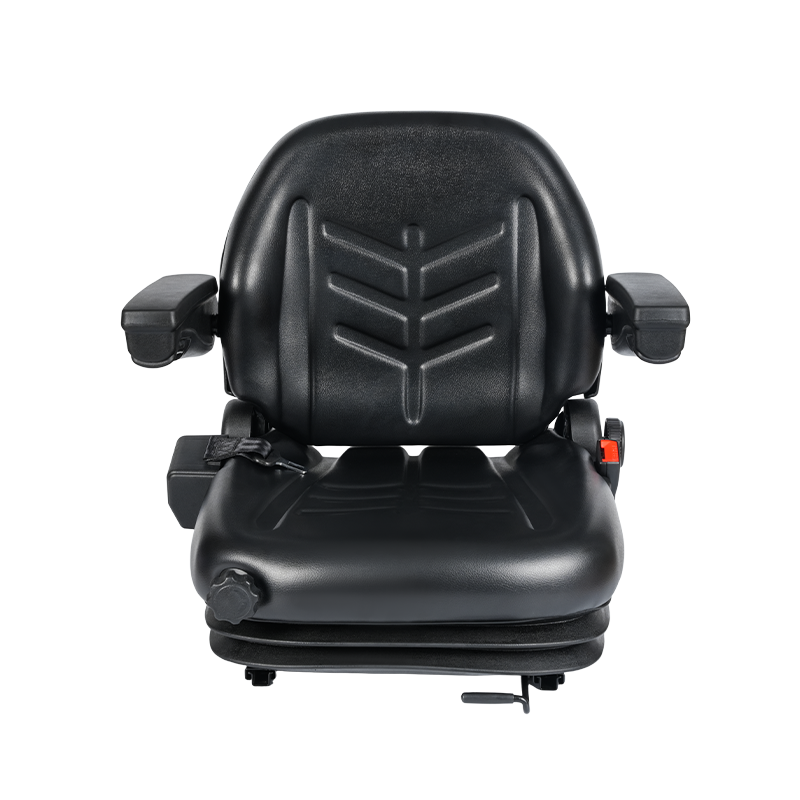
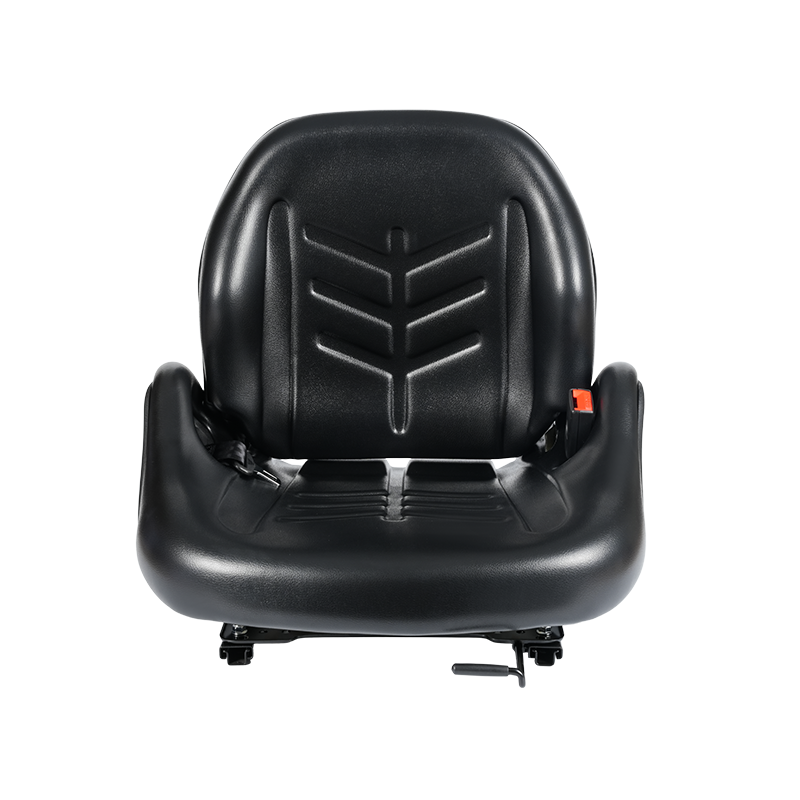
BF2-3AR Full-Suspension Agricultural Machinery Seat with Waterproof & Oil-Resistant Design for Tractors & Harvesters
-
Copyright @ Hangzhou Benfeng Auto Seat Co., Ltd. All rights reserved Privacy OEM/ODM Ergonomic Industrial Seats Manufacturers
浙ICP备20022099号