
 中文简体
中文简体 English
 Français
 Español
 عربى
عربى-

(86)-0571-82550327
-

info@bfseats.com
-




Aftermarket Tractor Seats: Fitment Checks That Prevent Returns and Downtime
Content
- 1 What Counts as a Real Aftermarket Tractor Seat
- 2 Three Measurements That Decide Whether Aftermarket Tractor Seats Fit
- 3 Suspension Class and What It Does to Vibration Exposure
- 4 Coverings and Cushions: What Survives Dust, Sun and Oil
- 5 Certification, Spare Parts and the Real Cost of a Replacement Seat
- 6 Frequently Asked Questions About Aftermarket Tractor Seats
A replacement tractor seat that arrives with the wrong bolt spacing costs more than the seat itself. The machine sits idle for a week, the return freight is paid twice, and the operator finishes the season on a patched cushion. Most aftermarket tractor seats that come back to a supplier fail on three measurements and one certification question, not on build quality.
The checks below take twenty minutes with a tape measure, calipers and a phone camera. They work for utility tractors, loaders, telehandlers and combine harvesters, and they match the checks a seat maker runs before quoting a replacement.
What Counts as a Real Aftermarket Tractor Seat
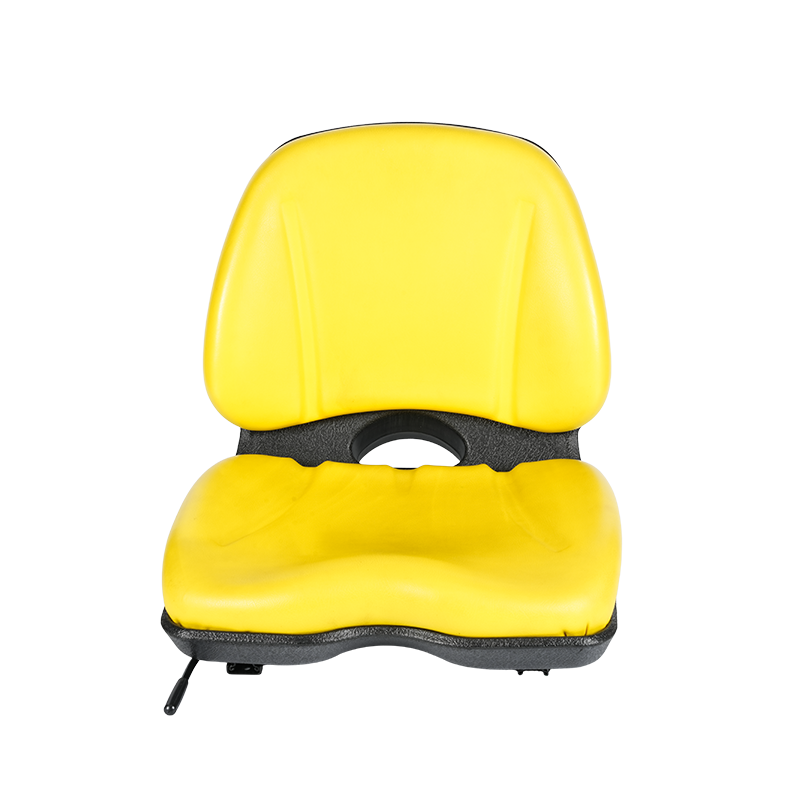
A real aftermarket tractor seat is a complete replacement unit engineered to a machine family's mounting footprint, cab envelope and suspension class, supplied with its own fitment data and warranty. It is not a universal cushion bolted to a shop-made adapter plate.
Definition: an aftermarket tractor seat is a non-OEM seat supplied as a complete unit, including frame, cushion, covering, adjustment hardware and safety equipment, designed to replace the original seat without modifying the machine.
Seat platforms are shared across machine types, so one frame can serve a tractor, a loader and an agricultural forklift with different coverings, rails and safety options. That is why a single replacement seat fits dozens of models instead of one part number, and why the specification sheet matters more than the badge on the machine.
Five data points decide whether a specification sheet is complete:
- Bolt hole centre spacing in both axes, plus mounting plate thickness
- Fore and aft slide travel, and recline range where the cab allows it
- Suspension type and the rated operator weight range
- Seat belt type, anchorage points and retractor position
- Covering material, foam density and certification documents
The industrial vehicle driver seat standard JB/T 13693-2019, drafted with input from manufacturers such as Hangzhou Benfeng Auto Seat Co., Ltd., was built around the same parameters, which is why this list reads like a compliance form.
Three Measurements That Decide Whether Aftermarket Tractor Seats Fit
Measure bolt spacing, cushion height and slide travel before ordering. Those three numbers eliminate most fitment returns, and all of them can be taken in twenty minutes.
Bolt hole centre spacing
Measure centre to centre in both directions on the machine's mounting plate, not on the old seat. Worn rails and earlier repairs shift geometry by a few millimetres, and a 5 mm error is enough to stop an M8 bolt from starting. Note the plate thickness and bolt grade as well; grade 8.8 is normal and stretched bolts should be replaced at the same time.
Cushion top height and backrest clearance
Measure from the mounting plate to the top of the compressed cushion, then add the height of the new suspension module. A suspended seat can sit 60 to 100 mm higher than the fixed seat it replaces, and that gap is where roof and dash clearance problems begin.
Slide travel and lever clearance
Run the seat through its full travel and note what it touches. Fenders, hydraulic levers and the steering column are the usual obstacles, and an extra 20 mm of rail travel has to go somewhere.
| Measurement | Record this | Risk if it is wrong |
| Bolt hole spacing | Centre to centre in X and Y, hole diameter, plate thickness | Holes do not line up and drilling damages the frame |
| Cushion top height | Plate to cushion top, loaded and unloaded | Knees hit the dash or the roof line is breached |
| Backrest envelope | Width, height, recline range | Backrest fouls the ROPS or rear glass |
| Slide travel | Total stroke, forward and rear limits | Rail strikes a lever or fender |
| Operator weight range | Lightest and heaviest regular driver | Suspension bottoms out or feels rigid |
Photograph the mounting plate with a tape measure lying across it. A supplier can confirm a bolt pattern from a clear photo faster than from any written description.
On loaders and telehandlers, where cab space is tight, a compact PVC seat with a short rail stroke such as the BF16M is usually more practical than a full-size suspension unit.
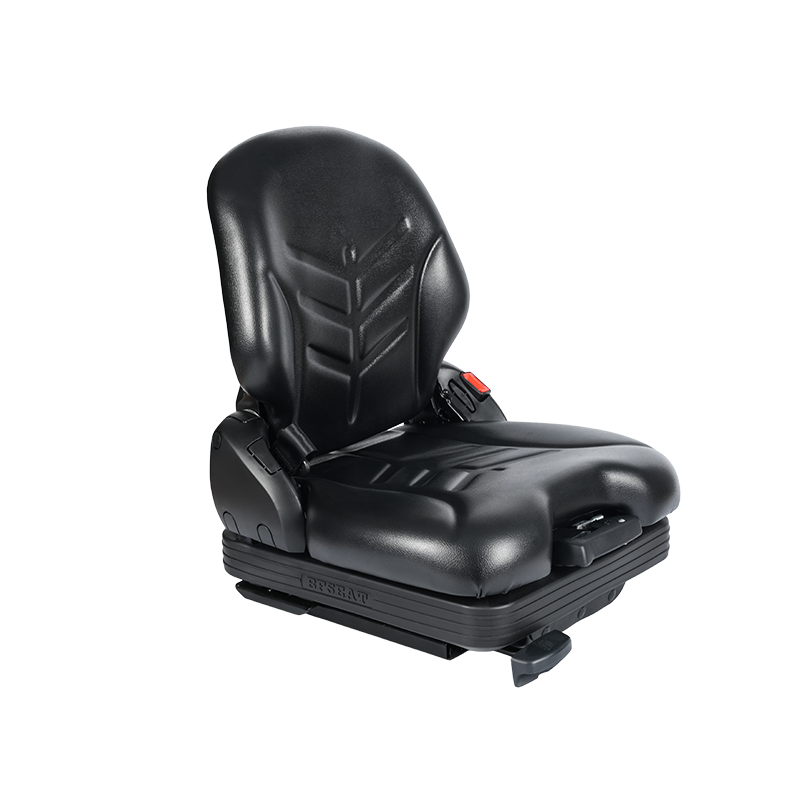 BF16M Comfortable Adjustable Durable Agricultural Seat for Loaders with PVC or FabricBased on the BF16 platform, the upgraded fabric/PVC dual-faced material boasts a 40% increase in breathability, addressing the loader's discomfort with high-temperatur...View Product →
Suspension Class and What It Does to Vibration Exposure
Suspension class changes whole-body vibration exposure far more than cushion thickness does. A mechanically suspended seat typically removes more than half of the vibration reaching the operator on the same machine.
Two standards frame the numbers. ISO 5007 covers laboratory measurement of vibration transmission for agricultural wheeled tractor seats, and ISO 2631-1 translates measurement into human exposure. For industrial trucks and earthmoving machines, EN 13490 and ISO 7096 sort seats into classes such as IT1, IT2, EM1 and EM7, and a supplier should be able to name the class a seat holds.
Type by type: fixed seats rely on the cushion alone; semi-suspension seats add rubber or spring damping for moderate terrain; mechanical suspension seats pair a spring with a hydraulic damper and usually a weight adjustment; air suspension suits long shifts but needs an air supply. Weight adjustment range matters more than peak stroke, because a suspension set for a 60 kg operator feels rigid under a 110 kg driver.
Adjustability is a separate decision from suspension. The trade-offs between adjustable versus fixed agricultural machinery seats come down to how many people share the machine and how long a single shift runs.
For tractors working long days on rough ground, the standard answer is a weight-adjustable mechanical suspension seat with a retractable belt, such as the CE-certified BF16.
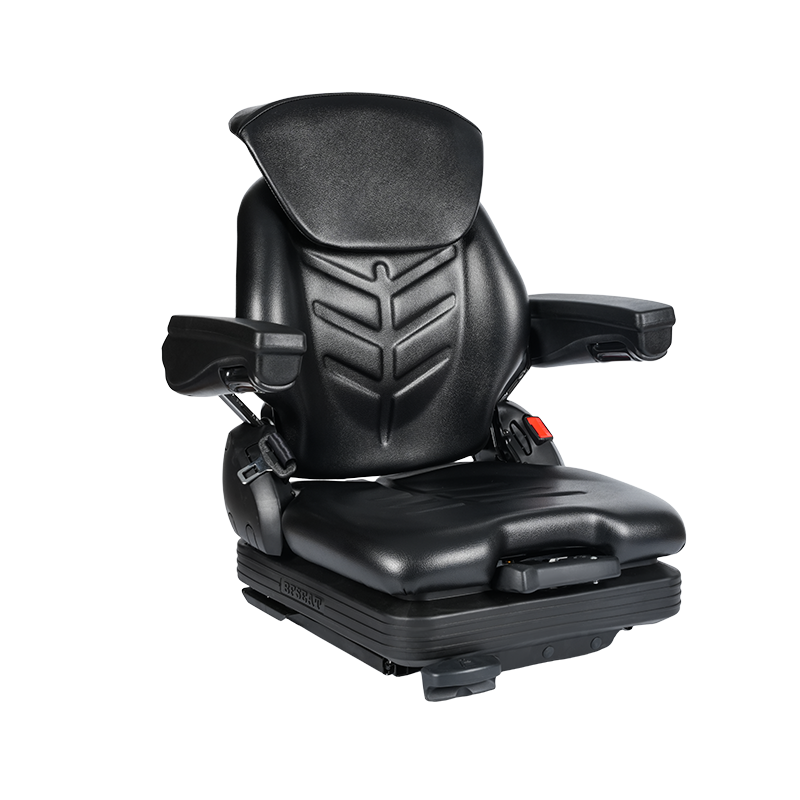 BF16 Premium Ergonomic Suspension Agricultural Seat for Tractors with CE ISO 9001This premium tractor-specific seat features an 80° backrest adjustment range (-30° to +50°) for plowing and transporting applications. It offers 60/80mm travel options...View Product →
Coverings and Cushions: What Survives Dust, Sun and Oil
PVC and vinyl coverings outlast fabric in field conditions, and single-mold polyurethane adds abrasion resistance and fast cleaning at a higher unit cost.
Water, oil and UV resistant, wipes clean and keeps its shape in unheated sheds. The usual choice for tractors, seeders and balers that stay outdoors.
Softer and cheaper, but low-grade vinyl hardens and cracks in cold weather. Ask for the cold-fold temperature if the machine works through winter.
Seamless, with no stitching to fail and no open foam to soak up water. Common on cleaning equipment and industrial platforms where washdown is routine.
Cushion construction matters as much as the covering. Foam density and compression set decide whether a seat is still supportive after two seasons or has collapsed onto the frame.
Field rule: if the machine is washed down weekly, choose a seamless covering; if it works below freezing, check the cold-fold figure before ordering.
Certification, Spare Parts and the Real Cost of a Replacement Seat
Ask for documents rather than claims: a CE declaration, ISO 9001 quality certification, ISO 3834 welding certification and a test report naming the vibration class where the machine category requires one.
Those four items are what a fleet auditor or a dealer warranty department asks for, and they also signal how long the seat platform will be supported with spare parts.
- CE declaration of conformity covering the seat model
- ISO 9001 certificate for the manufacturing plant
- ISO 3834 welding certification for the frame
- Test report naming the standard and spectral class
- Foam and covering material data
On suspended seats the shock absorber, slide rails, belt and armrests wear first. A published parts list lets a fleet repair a seat for a fraction of the cost of a new one.
Shock absorbers are the classic example: a service item listed as an accessory, replaced long before the frame or cushion fails.
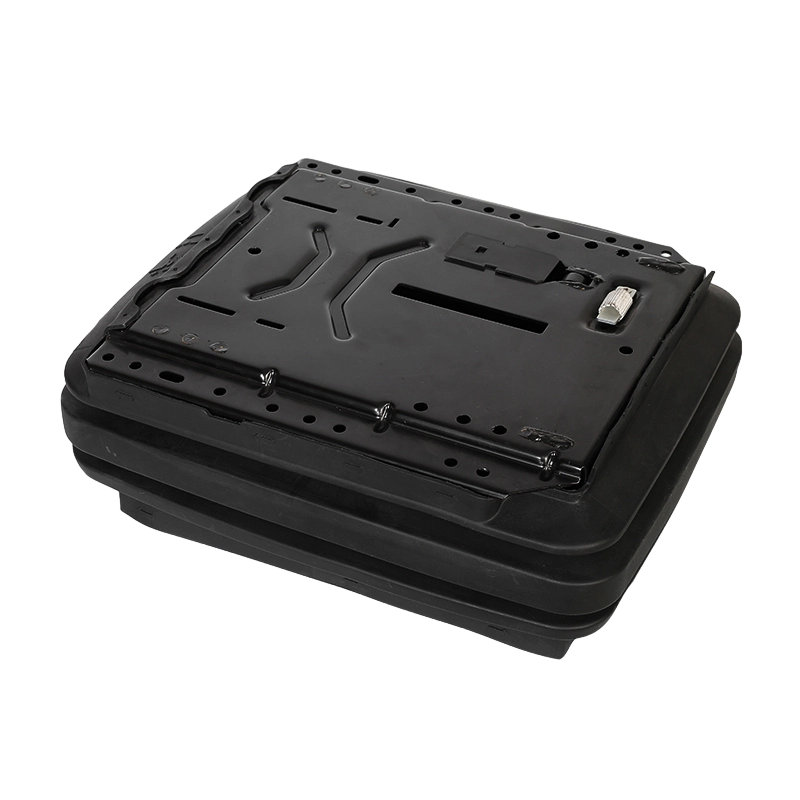 Shock AbsorberActive Shock Absorber for Construction Machinery Seat BackrestView Product →
Frequently Asked Questions About Aftermarket Tractor Seats
Are aftermarket tractor seats universal?
No. Universal seats exist, but they are universal only within the models their makers list. Bolt spacing, rail travel and cab clearance still vary, so confirm the mounting pattern before ordering.
How do I choose between a fixed and a suspension seat?
Base it on daily hours and ground conditions. Under two hours on smooth ground, a fixed cushioned seat is enough. On rough fields or long shifts, a weight-adjustable mechanical suspension seat cuts vibration exposure and fatigue.
What drives the price of a replacement tractor seat?
Suspension class, covering, adjustment hardware, safety equipment and certification. Freight and duties often add 10 to 20 percent, so compare landed cost rather than list price.
How long should a replacement seat last?
Five to eight years is realistic for a PVC-covered seat in field conditions. The shock absorber and slide rails normally need attention first, which is why spare-part supply matters more than a headline warranty.
-
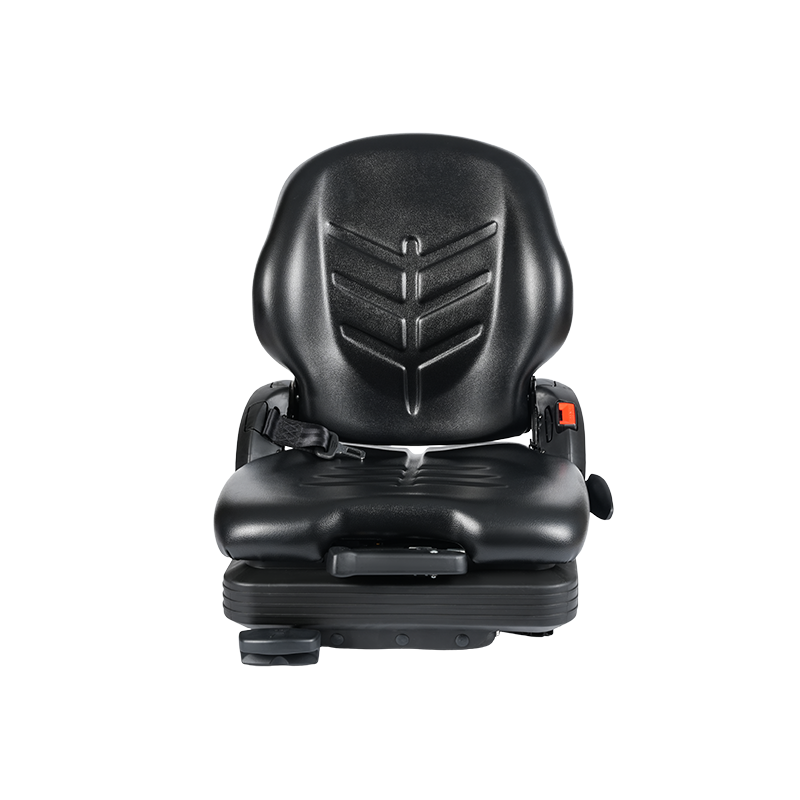
BF16 Low-Profile Vinyl Replacement Mechanical Suspension Seat for Material Handling Forklift Equipment - Black with EN 13490 IT1+IT2
-
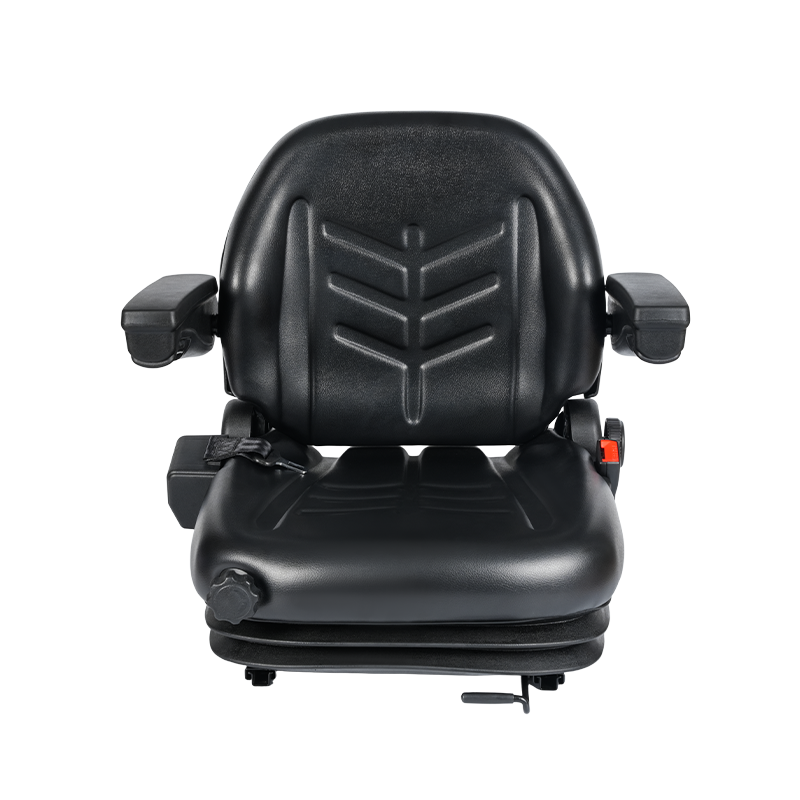
BF2-3AR Full-Suspension Agricultural Machinery Seat with Waterproof & Oil-Resistant Design for Tractors & Harvesters
-
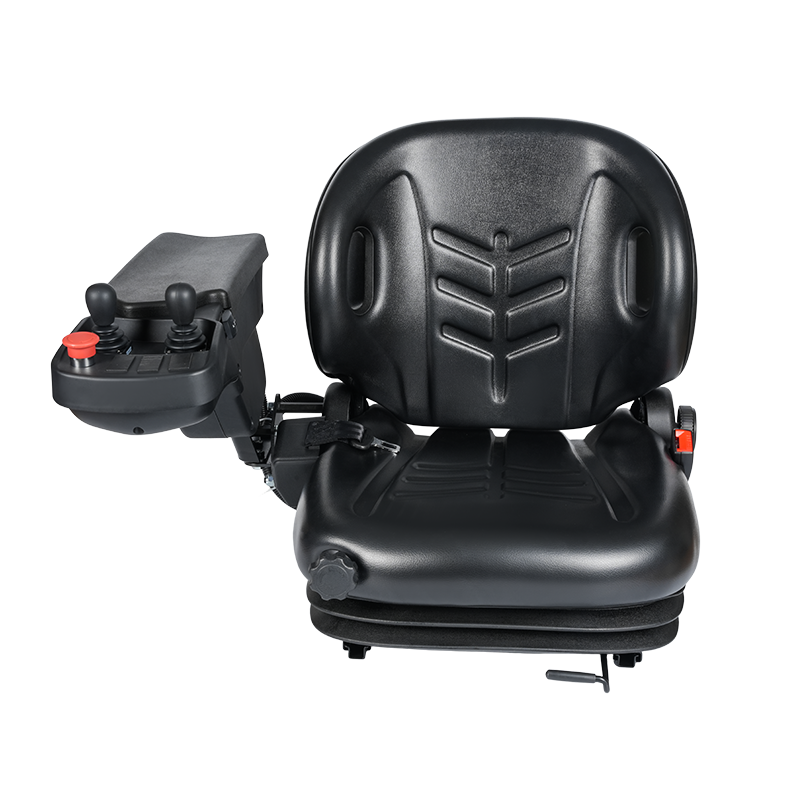
BF2-3ABC Full-Suspension Agricultural Seat with Dust Cover & Smart Control Console for Tractors & Harvesters
-
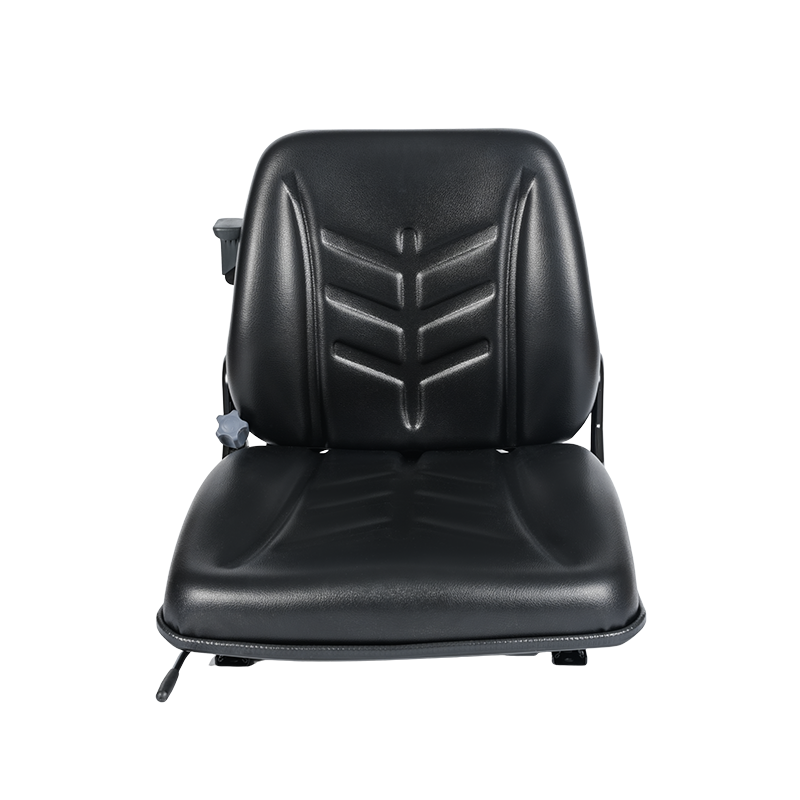
BF8-4 Reliable Semi-Suspension Seat for Airport Tow Tractors with Mechanical Suspension & 15° Backrest
Copyright @ Hangzhou Benfeng Auto Seat Co., Ltd. All rights reserved Privacy OEM/ODM Ergonomic Industrial Seats Manufacturers
浙ICP备20022099号