
 中文简体
中文简体 English
 Français
 Español
 عربى
عربى-

(86)-0571-82550327
-

info@bfseats.com
-




Why Upgrade Your Agricultural Machinery Seats?
Content
- 1 The Essential Role of tractor suspension seat
- 2 Enhancing Comfort with heavy machinery operator chair
- 3 Benefits of ergonomic agricultural seat
- 4 Advanced Performance of tractor air ride seat
- 5 Specialized Design of combine harvester seat
- 6 Industry Leadership of Hangzhou Benfeng Auto Seat Co., Ltd.
- 7 FAQ
In the demanding world of modern agriculture, the efficiency and productivity of operations are inextricably linked to the well-being of the equipment operator. Farmers and machinery operators often spend long, arduous hours in the field, subjecting their bodies to constant vibrations, rough terrain, and jarring impacts. Investing in high-quality agricultural machinery seats is not merely a matter of comfort; it is a critical decision that impacts operational safety, health, and the bottom line. A superior seat acts as the primary interface between the human operator and the heavy machine, designed to mitigate the physical toll of agricultural work. Advanced seating technology has evolved significantly, moving beyond simple padding to sophisticated suspension systems, ergonomic designs, and durable materials that withstand harsh environmental factors. As the agricultural sector continues to embrace mechanization, the importance of optimizing the operator's station through advanced seating solutions cannot be overstated. This article explores the various types of specialized seating available, from the high-tech tractor air ride seat to the rugged combine harvester seat, highlighting how they contribute to a more productive and pain-free work environment.
The Essential Role of tractor suspension seat
Agricultural tasks, such as plowing, tilling, and harvesting, generate significant whole-body vibration (WBV) which is transmitted from the ground through the tractor chassis to the operator. Prolonged exposure to WBV is a known health hazard, leading to chronic back pain, spinal disc damage, and fatigue. A tractor suspension seat is specifically engineered to act as a buffer against these forces. Unlike fixed seats, a suspension seat incorporates a mechanism that allows the seat pan to move relative to the tractor base, absorbing shock and smoothing out the ride. This isolation is crucial for maintaining operator alertness and reducing physical stress over long working days. By decoupling the operator from the harshest bumps, these seats enable smoother operation of the vehicle, which can also translate to better traction and less wear and tear on the machinery itself.
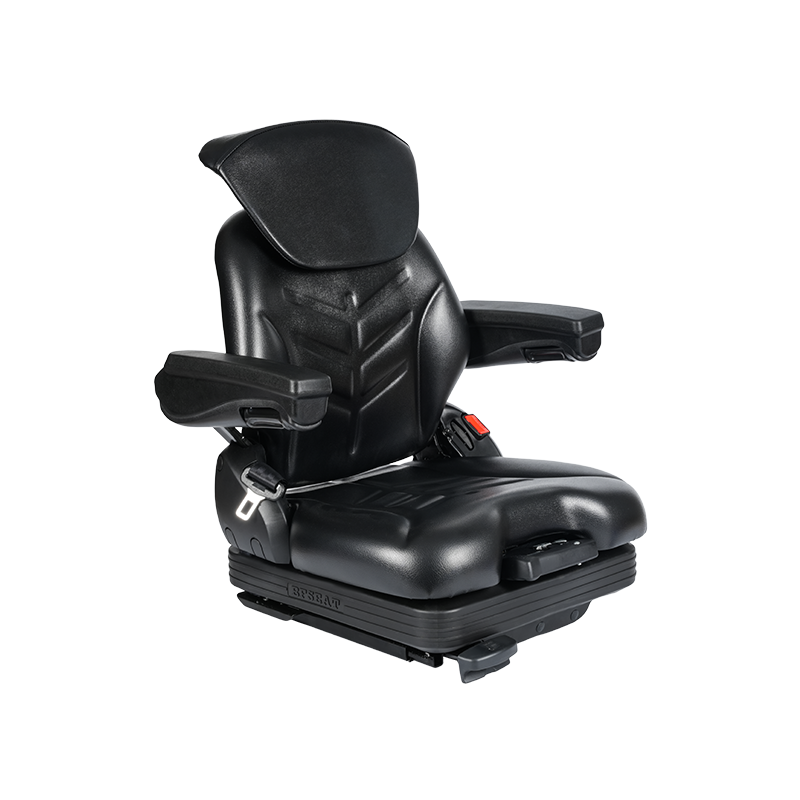
Understanding Mechanical vs. Air Suspension
When selecting a tractor suspension seat, the choice often comes down to mechanical or air suspension systems. Mechanical suspension typically uses a heavy-duty spring and a damper (shock absorber) to manage vertical movement. These systems are robust, relatively low maintenance, and cost-effective, making them suitable for general farming tasks. However, for high-horsepower tractors operating on uneven terrain at faster speeds, an air suspension system—often referred to as air ride—is superior. It uses an air bellows that can be adjusted for stiffness based on the operator's weight and the terrain conditions.
- Mechanical Suspension: Durable and simple design; utilizes steel springs and hydraulic dampers.
- Air Suspension: Uses pneumatic bellows for superior vibration isolation; offers weight adjustment.
- Swing Suspension: A specific type of mechanical suspension that allows the seat to swing forward and backward, reducing vertical shock.
- Semi-Active Suspension: Advanced systems that automatically adjust damping in real-time based on sensor input.
| Feature | Mechanical Suspension | Vibration Reduction | Good for moderate tasks | Excellent for high-speed/rough terrain | Adjustability | Maintenance | Cost |
Vibration Reduction and Health Benefits
The health benefits of using a high-quality tractor suspension seat cannot be emphasized enough. Medical studies have consistently shown that whole-body vibration is a major contributor to musculoskeletal disorders among agricultural workers. By significantly reducing the amplitude and frequency of vibrations transmitted to the body, a suspension seat minimizes the compression on the spine. This protection helps prevent long-term health issues, reduces absenteeism, and extends the working life of operators. Furthermore, reducing fatigue enhances reaction times and decision-making abilities, leading to safer operation of heavy machinery.
Enhancing Comfort with heavy machinery operator chair
While tractors are a primary focus, the broader category of heavy machinery, including forklifts, loaders, and telehandlers, requires specialized seating solutions. A heavy machinery operator chair is designed to provide a secure and comfortable platform for operators in industrial and construction settings. These environments often involve different challenges compared to open-field farming, such as confined spaces, frequent ingress and egress, and the need for precise control movements. Consequently, these chairs prioritize stability, lateral support during cornering, and adjustability to accommodate different operator sizes. The ergonomic design ensures that all controls are within easy reach, minimizing strain on the shoulders, neck, and arms. Whether in a warehouse or a construction site, the right chair is essential for maintaining productivity and safety throughout an 8 to 12-hour shift.
Ergonomics for Long-Hour Operations
Ergonomics is the science of designing the job, equipment, and workplace to fit the worker. A heavy machinery operator chair is a masterpiece of ergonomic engineering. It typically features a high-back design to support the lumbar region and upper back, critical for preventing back strain during long periods of sitting. Features such as adjustable armrests, seat slide mechanisms, and tilt functions allow the operator to find the optimal driving position. This customization is vital because a one-size-fits-all approach rarely works in a diverse workforce. By ensuring that the seat fits the operator's anthropometry, companies can significantly reduce the risk of repetitive strain injuries (RSI) and chronic fatigue.
Durability in Harsh Environments
Industrial environments expose equipment to dust, dirt, oil, sharp objects, and UV radiation. A heavy machinery operator chair must be built to withstand these punishing conditions without degrading.
- UV-Resistant Materials: Vinyl or coverings that resist fading and cracking in sunlight.
- Wipe-Clean Surfaces: Easy-to-clean materials to maintain hygiene and appearance.
- Reinforced Stitching: Heavy-duty thread to prevent seam failure.
- Corrosion-Resistant Mechanisms: Coated metal parts to prevent rust.
| Environmental Factor | Chair Specification Needed | Benefit | |
| Dust and Dirt | Moisture/Oil | Sharp Debris | Frequent Use |
Benefits of ergonomic agricultural seat
The concept of an ergonomic agricultural seat goes beyond just having a soft cushion. It involves a holistic approach to seating that considers human physiology, the task being performed, and the environment. Ergonomics in agriculture is gaining traction as farm sizes increase and technology becomes more complex. An ergonomic seat is designed to support the natural curve of the spine, promote good posture, and reduce the physical effort required to operate the vehicle. This includes thoughtful features like contoured foam padding that distributes weight evenly, breathable fabrics to keep the operator cool, and isolation mechanisms that dampen specific frequencies of vibration that are most harmful to human organs. Investing in ergonomics is an investment in human capital, ensuring that skilled operators can continue to work effectively and pain-free for years to come.
Preventing Operator Fatigue
Operator fatigue is a silent killer in the agricultural industry. Fatigue slows reaction times, impairs judgment, and increases the likelihood of accidents. A primary cause of fatigue is the constant physical effort required to stabilize the body against machine vibrations. An ergonomic agricultural seat addresses this by providing a stable, enveloping platform that reduces the need for muscular compensation. Features such as seat heating for cold mornings and ventilation for hot days further reduce thermal stress, allowing the operator to remain comfortable and focused. By minimizing the physical toll of the job, ergonomic seats play a vital role in maintaining high levels of safety and efficiency during critical farming windows like planting and harvest.
Adjustability for Different Body Types
Operators come in all shapes and sizes, and a seat that does not fit the operator can be as harmful as no seat at all. An ergonomic agricultural seat offers a wide range of adjustments to ensure a perfect fit for every user.
- Weight Adjustment: Ensures the suspension operates correctly for different operator masses.
- Seat Slide: Allows shorter and taller operators to reach pedals comfortably.
- Backrest Angle: Enables fine-tuning of lumbar support.
- Armrest Height/Width: Adjustable to avoid interference with controls.
| Adjustment | Purpose | Outcome | |
| Fore/Aft Slide | Weight Selector | Backrest Tilt | Armrest Position |
Advanced Performance of tractor air ride seat
Among the various options available, the tractor air ride seat represents the pinnacle of comfort and technology in agricultural seating. This type of seat utilizes a pneumatic suspension system, where a bellows filled with compressed air supports the seat pan. The air acts as the spring, providing a much smoother and more progressive absorption of bumps compared to steel springs. One of the key advantages of an air ride system is the ability to adjust the air pressure to match the operator's weight. This "weight compensation" ensures that the seat provides the correct level of support for a 120-pound operator just as it does for a 250-pound operator. For high-end tractors and those used for heavy draft work or road transport, an air ride seat is often standard equipment due to its superior ability to dampen low-frequency, high-amplitude vibrations.
Mechanism of Air Suspension Systems
The core of a tractor air ride seat is the air bellows and the associated control valve. As the seat encounters a bump, the air in the bellows compresses, absorbing the energy. The shock absorber, or damper, dissipates this energy to prevent the seat from bouncing uncontrollably. A height control valve monitors the position of the seat and automatically adds or releases air to maintain a consistent ride height. This self-leveling feature is crucial because it keeps the operator in the optimal position relative to the steering wheel and pedals, regardless of the load. Advanced models may also include a cab pressure sensor that automatically adjusts the seat's stiffness based on the vibration detected in the cab floor.
Maintenance and Longevity
While a tractor air ride seat offers superior performance, it does require a different maintenance approach compared to mechanical seats. The air system must be checked for leaks, and the bellows should be inspected for cracks or wear.
- Air System Checks: Regular inspection of airlines and fittings for leaks.
- Bellow Inspection: Checking for dry rot or abrasions on the rubber bellows.
- Damper Service: Shock absorbers may need replacement over time.
- Electrical Connections: Checking wiring for heated seats or electronic controls.
| Maintenance Task | Frequency | Importance | |
| Check Air Leaks | Inspect Bellows | Lubricate Mechanism | Clean Coverings |
Specialized Design of combine harvester seat
The combine harvester is one of the largest and most complex machines in agriculture, operating at high speeds over diverse terrain while processing crops. The combine harvester seat is specifically designed to meet the unique demands of this equipment. Operators of combines often remain in the seat for 12 to 16 hours a day during the intense harvest season. Therefore, the seat must provide the ultimate level of comfort and support. Combine seats are typically the "luxury" class of agricultural seats, often featuring high-back air suspension, integrated armrests with multi-function controls, heating and cooling options, and advanced vibration isolation. The visibility from the combine cab is critical for monitoring the header and unloading auger, so the seat is designed to offer a stable viewing platform with minimal lateral sway.
Visibility and Control Integration
Modern combine harvester seat designs often integrate the machine's controls directly into the armrests. This "command center" approach allows the operator to control the header, threshing settings, and unloading systems without moving their hands from the armrests. This reduces fatigue and increases efficiency. The seat is also designed to swivel slightly, allowing the operator to turn and check rear-view mirrors or monitor equipment behind them without straining their neck. The stability of the seat is paramount to ensure that when looking backwards, the operator feels secure and the machinery remains on track.
Shock Absorption During Harvest
Combine harvesters operate at high speeds through fields that may be uneven or rutted. The combine harvester seat must manage high-frequency vibrations from the engine and threshing mechanisms as well as low-frequency impacts from the terrain.
- Active Damping: Some high-end seats use electronic controls to actively counteract vibrations.
- Suspension Lock: Allows the seat to be locked for stability when getting in and out.
- Comfort Padding: Thick, high-density foam for long-duration comfort.
- Climate Control: Ventilation and heating to manage cabin temperature extremes.
| Feature | Benefit to Operator | Relevance to Harvest | |
| Multi-Axis Suspension | Swivel Base | Integrated Controls | Extreme Comfort |
Industry Leadership of Hangzhou Benfeng Auto Seat Co., Ltd.
Hangzhou Benfeng Auto Seat Co., Ltd. stands at the forefront of the industry, established in 2007 as a premier manufacturer specializing in off-road construction machinery seats. The company has distinguished itself as one of the standard-setting units of the "People's Republic of China Machinery Industry Standard JB/T13693-2019 - Industrial Vehicle Driver Seat," a testament to its technical expertise and leadership. Recognized as a Zhejiang High-tech Enterprise and a Specialized and New Enterprise, Hangzhou Benfeng has been focusing on the development, design, and production of seats for many years. With a sprawling production base of 14,000 m² and an impressive annual output of 200,000 sets, the company is committed to providing safe and comfortable seating solutions for a wide array of machinery, including material handling forklifts, loaders, tractor air ride seat units, and cleaning equipment. The company maintains friendly and long-term cooperative relationships with well-known brands in the industry, ensuring that its seats are trusted globally.
Innovation and Standard Setting (JB/T13693-2019)
Being a standard-setting unit for JB/T13693-2019 places Hangzhou Benfeng in a unique position of authority within the market. This achievement highlights their deep understanding of the technical requirements for industrial and ergonomic agricultural seat design. By actively contributing to the national standards, they ensure that their products not only meet but often exceed the rigorous expectations for safety and durability. The company's portfolio includes a wide range of products, from the heavy machinery operator chair to specialized combine harvester seat models, all benefiting from their advanced R&D capabilities. Their commitment to innovation is reflected in the several national invention patents and utility model patents held by the company, alongside international CE certifications for specific products.
Global Certifications and Quality Assurance
Quality assurance is the bedrock of Hangzhou Benfeng's operations. The company has successfully passed multiple rigorous management system certifications, including ISO 9001 for quality management, ISO3834 for welding quality, ISO14001 for environmental management, and ISO45001 for occupational health and safety. These certifications ensure that every tractor suspension seat produced adheres to the highest international standards. Furthermore, the company's products have achieved specific performance certifications such as the European EN 13490 IT1+IT2, and ISO 7096 EM1+EM7. These certifications verify the seats' ability to provide ergonomic comfort and vibration protection, ensuring global compliance and customer satisfaction.
- ISO 9001: Ensures consistent quality management processes.
- ISO3834: Specific standard for quality requirements for fusion welding of metallic materials.
- EN 13490 / ISO 7096: Specific standards for testing and performance of earth-moving machinery seats.
- Patented Technology: Homegrown innovations in suspension and ergonomics.
| Certification/Standard | Scope | Significance | |
| JB/T13693-2019 | ISO 9001 | CE Certification | ISO 7096 |
ISO and CE Compliance
With a strong focus on material handling forklifts and other machinery, Hangzhou Benfeng integrates advanced manufacturing technologies to produce the agricultural machinery seats that industries rely on. Their adherence to ISO14001 and ISO45001 demonstrates a commitment not just to product quality, but also to environmental responsibility and worker safety. The company's extensive experience and robust quality systems make them a preferred partner for major international brands, offering reliable seating solutions that stand the test of time in the field.
FAQ
What is the difference between a mechanical and a tractor air ride seat?
The main difference lies in the suspension mechanism. A mechanical seat uses steel springs and dampers to absorb shock, which is durable and cost-effective. A tractor air ride seat uses a pneumatic air bellows system. The air seat offers superior vibration dampening, especially on rough terrain, and typically includes an automatic weight adjustment feature that mechanical seats lack. While air seats are more expensive and require slightly more maintenance, they provide significantly higher comfort levels for long hours of operation.
How do I choose the right heavy machinery operator chair for my forklift?
Choosing the right heavy machinery operator chair involves considering the specific environment of use. First, measure the available mounting space and the mounting pattern (isolated or suspension). Second, assess the vibration levels in your facility; if you are operating on uneven concrete or rough surfaces, a suspension seat is necessary. Third, consider the shift duration; for shifts over 4 hours, an ergonomic design with adjustable armrests and lumbar support is recommended. Finally, check for durability features like UV-resistant vinyl if the forklift is used outdoors.
Why is an ergonomic agricultural seat important for health?
An ergonomic agricultural seat is vital because it directly mitigates the risk of Whole Body Vibration (WBV) injuries. Prolonged exposure to vibration and poor posture can lead to severe back problems, spinal disc degeneration, and musculoskeletal disorders. Ergonomic seats are designed to support the spine's natural curve, absorb harmful vibrations, and allow for adjustability. This reduces the physical load on the operator's body, preventing fatigue and long-term chronic health issues, while also improving alertness and operational safety.
Can tractor suspension seat fit all tractor models?
Not necessarily. While many tractor suspension seat units are designed to be universal, mounting compatibility can vary. Seats generally require a specific mounting bracket or adapter to fit different tractors. The mounting pattern (often defined by the center-to-center distance of the mounting bolts) must match or be adaptable to the tractor's seat pedestal. It is always recommended to check the seat's specifications against the tractor's make and model to ensure proper fit and safe installation. Some manufacturers offer universal sliders or adapters to accommodate a wider range of machinery.
-
-
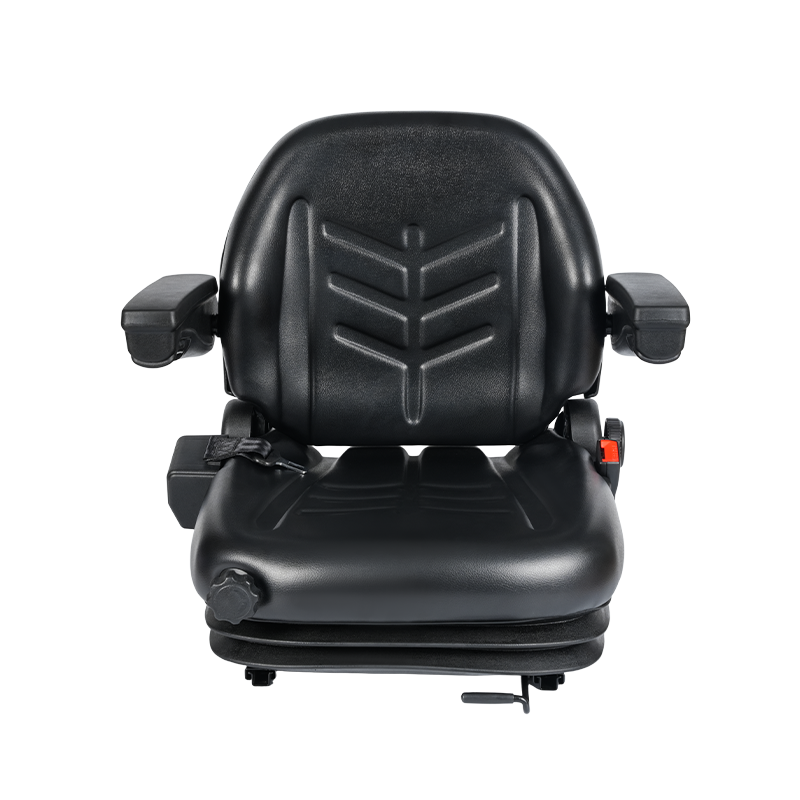
BF2-3AR Full-Suspension Agricultural Machinery Seat with Waterproof & Oil-Resistant Design for Tractors & Harvesters
-
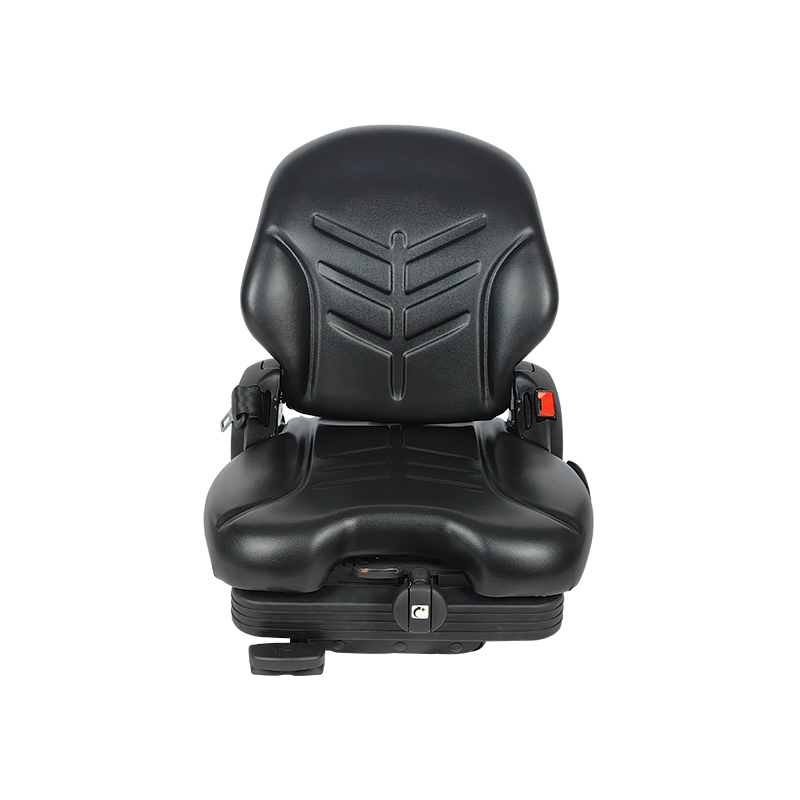
BF16M Heavy-Duty Agricultural Machinery Suspension Seat, Stepless Precise Damping Comfort Seat for Field Operation
-
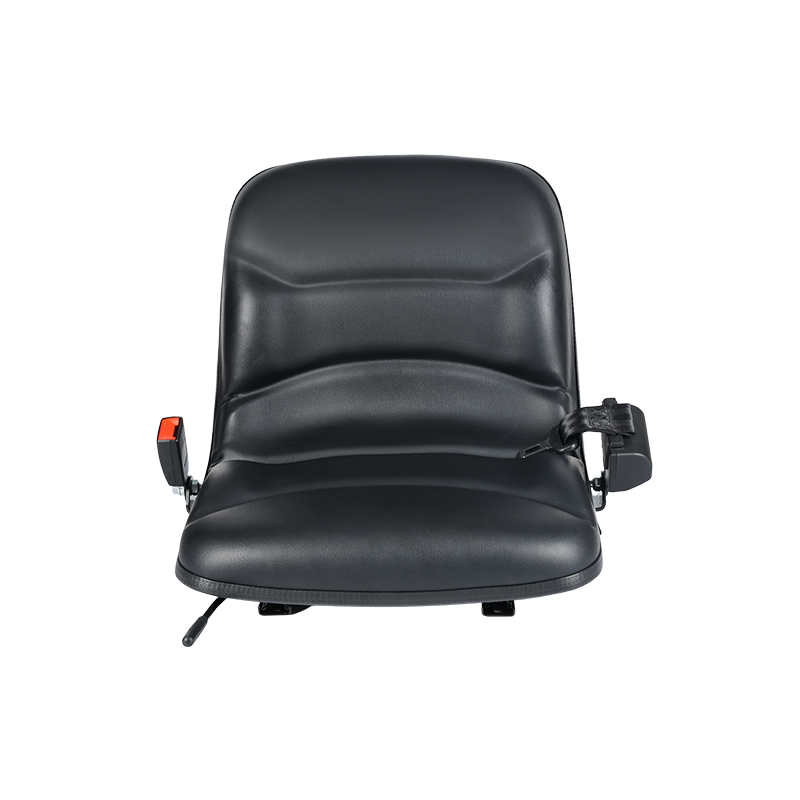
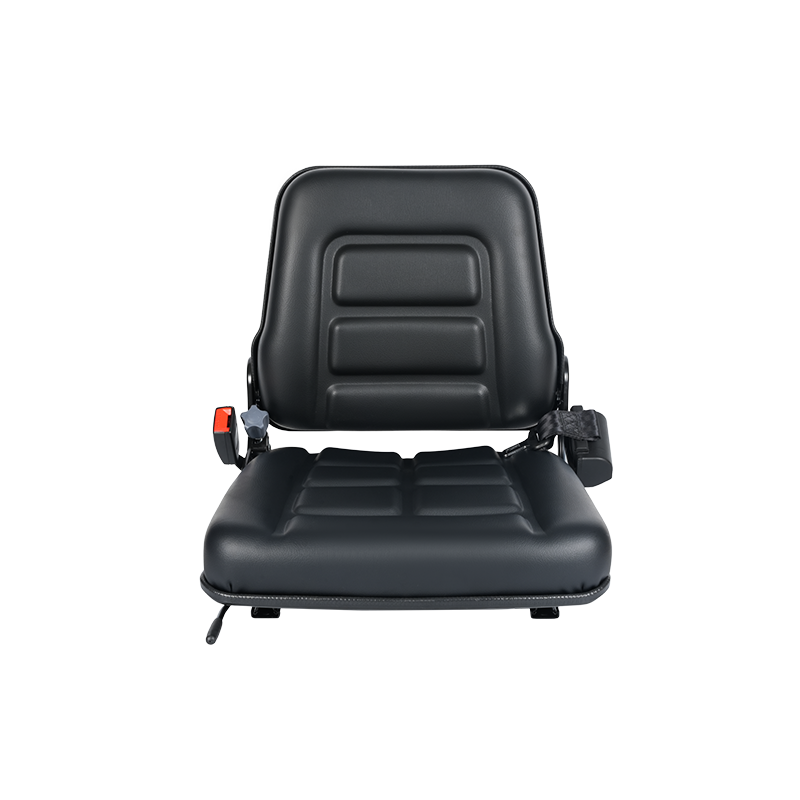
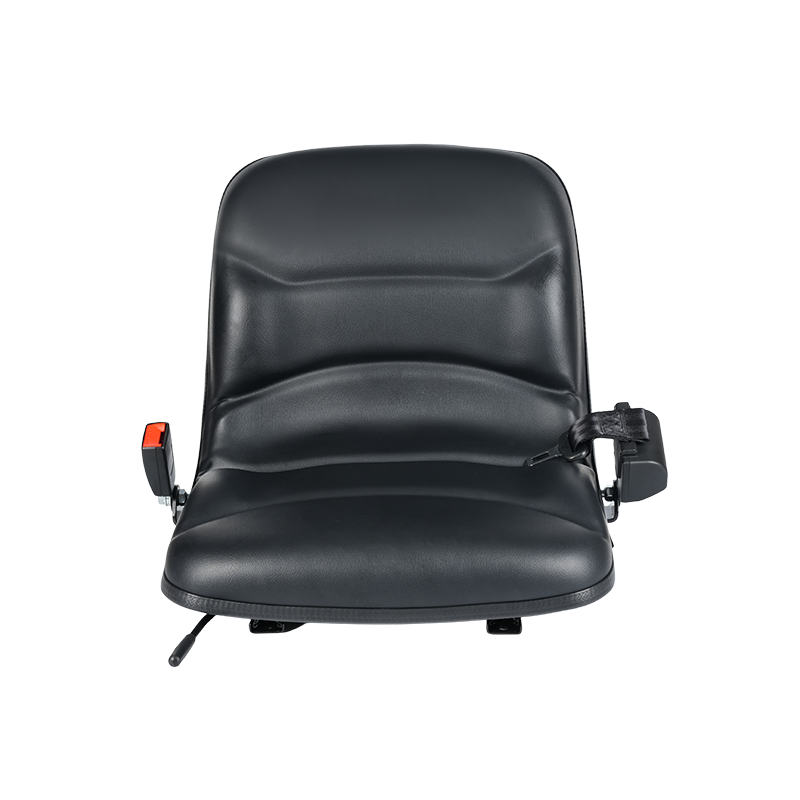
Copyright @ Hangzhou Benfeng Auto Seat Co., Ltd. All rights reserved Privacy OEM/ODM Ergonomic Industrial Seats Manufacturers
浙ICP备20022099号