
 中文简体
中文简体 English
 Français
 Español
 عربى
عربى-

(86)-0571-82550327
-

info@bfseats.com
-




Why Weight-Adjustable Suspension is Critical for Universal Forklift Seats in Long-Shift Warehouse Operations
Content
- 1 Mechanical Design Principles of Universal Forklift Seats
- 2 Vibration Mitigation and Operator Fatigue Reduction
- 3 Durability Metrics and Maintenance Considerations
- 4 Comparative Analysis: Fixed vs. Weight-Adjustable Forklift Seats
- 5 Ergonomic Standards and ISO Compliance
- 6 Integration with Warehouse Safety Systems
- 7 Material Performance under Environmental Stress
- 8 5 Technical FAQs
- 9 Technical References
Mechanical Design Principles of Universal Forklift Seats
- Universal Forklift Seats are engineered with modular suspension systems that conform to operator weight ranges between 50 kg to 150 kg, ensuring ergonomic posture and reducing musculoskeletal strain.
- The tensile strength of seat frames typically ranges from 350 MPa to 450 MPa, adhering to ISO 12100 safety requirements.
- Weight-adjustable suspension mechanisms allow operators to calibrate spring stiffness and damping coefficients, mitigating vibration transmission from uneven warehouse flooring.
- Material selection involves high-resilience polyurethane foam for seating pads with a density of 65–80 kg/m³, optimized for compressive endurance over multi-hour shifts.
Vibration Mitigation and Operator Fatigue Reduction
- Adjustable suspension enables tailoring vertical displacement absorption based on operator body mass, reducing whole-body vibration (WBV) exposure, as specified in ISO 2631.
- Comparative studies indicate that operators using non-adjustable seats experience up to 25% higher lumbar pressure during 8-hour shifts compared to weight-adjusted systems.
- Integration of hydraulic or pneumatic damping modules allows fine-tuning of oscillation frequencies between 1–5 Hz, matching the primary vibration modes of forklifts under load.
Durability Metrics and Maintenance Considerations
- Load testing per ASTM D3574 ensures foam cushions retain 90% of their original height after 50,000 compression cycles.
- Suspension springs are subjected to cyclic loading simulations exceeding 200,000 cycles to assess fatigue life and spring constant stability.
- Regular inspection intervals are recommended every 3 months for pivot points, dampers, and seat rails to maintain performance consistency.
Comparative Analysis: Fixed vs. Weight-Adjustable Forklift Seats
- Fixed seats lack operator-specific load compensation, often resulting in uneven pressure distribution on the ischial tuberosities.
- Weight-adjustable suspension allows precise alignment of the seat pan angle and lumbar support to operator weight, improving long-term comfort.
| Feature | Fixed Seat | Weight-Adjustable Seat |
| Operator Weight Range | Single standard | 50–150 kg |
| Vibration Absorption | Limited | Customizable via suspension calibration |
| Long-Shift Comfort | Moderate fatigue reduction | Significant fatigue reduction |
| Maintenance | Low complexity | Requires periodic adjustment and inspection |
Ergonomic Standards and ISO Compliance
- Seat geometry adheres to ISO 5353 for operator seating positions and ISO 11228 for manual handling ergonomic guidelines.
- Height and fore-aft adjustment ranges ensure alignment with ANSI/ASME ergonomic benchmarks for forklift operators.
- Weight-adjustable suspension contributes to meeting ISO 11228-2 standards on fatigue minimization during prolonged seated operation.
Integration with Warehouse Safety Systems
- Seats with adjustable suspension maintain contact with sensor-equipped safety belts and safety interlocks, ensuring forklift operational safety compliance.
- Shock absorption calibration reduces operator startle responses during abrupt movements, lowering the risk of inadvertent control errors.
Material Performance under Environmental Stress
- Seat covers employ abrasion-resistant fabric with a Martindale rating of 50,000 cycles to withstand repeated entry/exit in warehouse conditions.
- Foam and suspension components maintain elasticity across a temperature range of -10°C to 50°C without significant loss of damping performance.
- Corrosion-resistant coatings on steel frames adhere to ASTM B117 salt spray testing for up to 500 hours.
5 Technical FAQs
- Q1: How often should the suspension be recalibrated for different operators?
- A1: Calibration is recommended at the start of each shift or whenever operator body weight changes by more than 10 kg.
- Q2: What is the maximum operator weight for standard adjustable suspension seats?
- A2: Typically 150 kg, with spring systems rated for consistent performance within this range.
- Q3: How does weight-adjustable suspension affect vibration frequency response?
- A3: Proper calibration aligns natural seat frequency with dominant forklift vibrations (1–5 Hz), reducing WBV exposure.
- Q4: Can suspension adjustment compensate for prolonged heavy load handling?
- A4: Yes, damping coefficients can be increased to maintain comfort under continuous operational loads.
- Q5: Are there specific maintenance standards for seat frames and springs?
- A5: Regular inspection for wear, lubrication of pivot points, and verification of spring constants per ASTM and ISO recommendations is required.
Technical References
- ISO 2631: Mechanical Vibration and Shock – Evaluation of Human Exposure to Whole-Body Vibration
- ASTM D3574: Standard Test Methods for Flexible Cellular Materials—Foam
- ISO 11228: Ergonomics — Manual Handling Guidelines
-
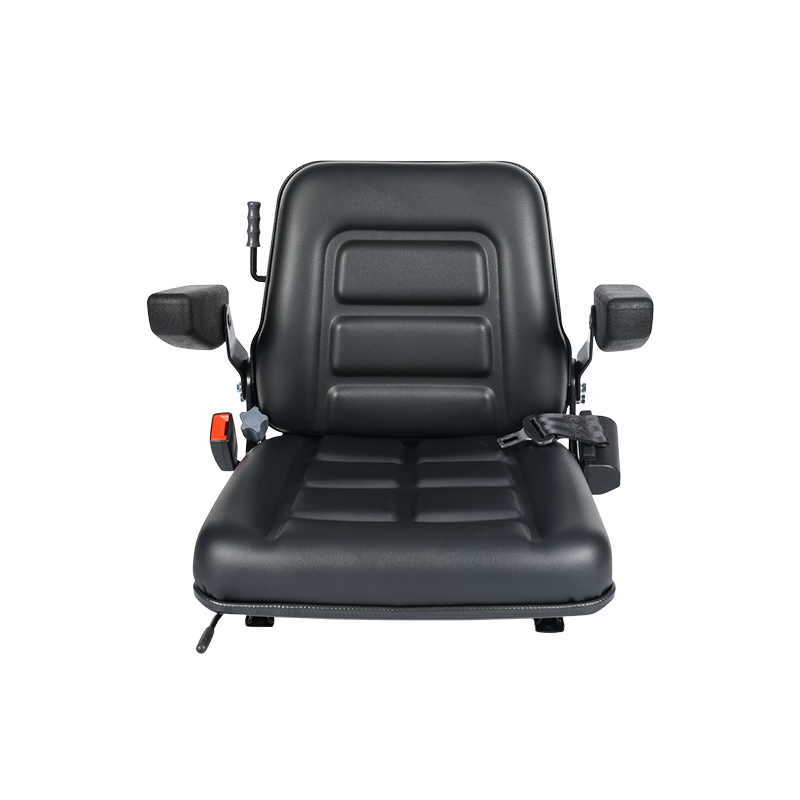
BF1-3AB CE Certified Premium Adjustable Mechanical Suspension Forklift Seat for Electric Forklifts with Weight Adjustment & Armrests
-
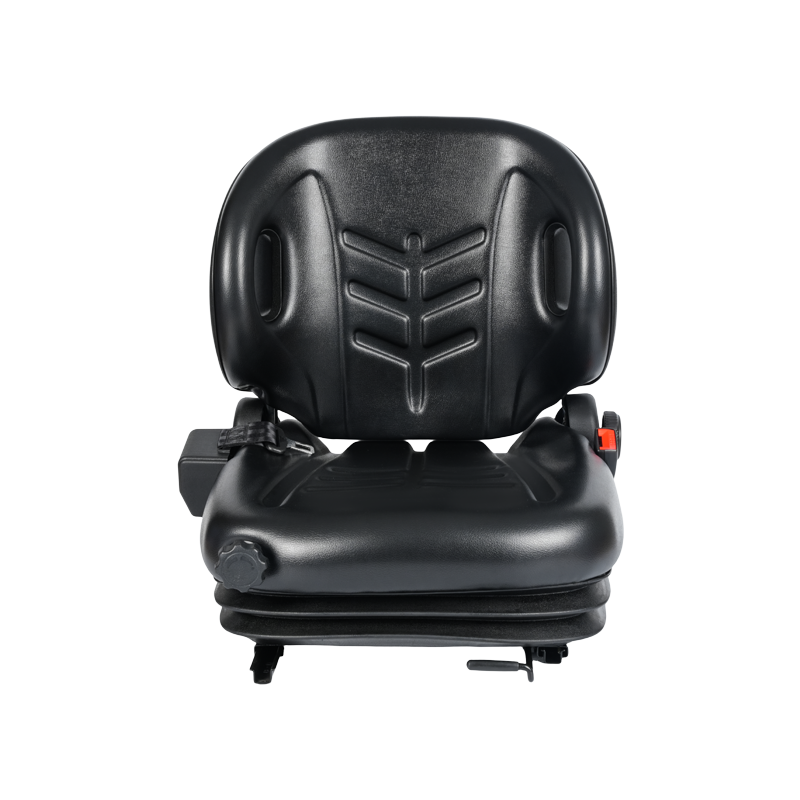
BF2-3AB EN 13490 IT1+IT2 Certified Counterbalance Forklift Seat with Mechanical Suspension OPS Switch & Universal Multi-Function Mounting System Compatible with Toyota Jungheinrich
-
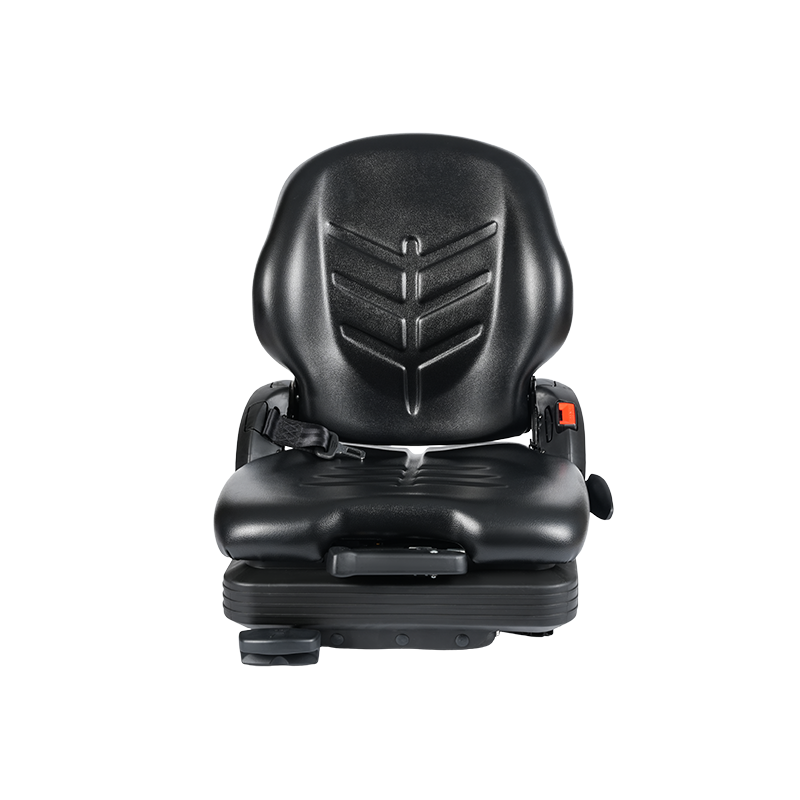
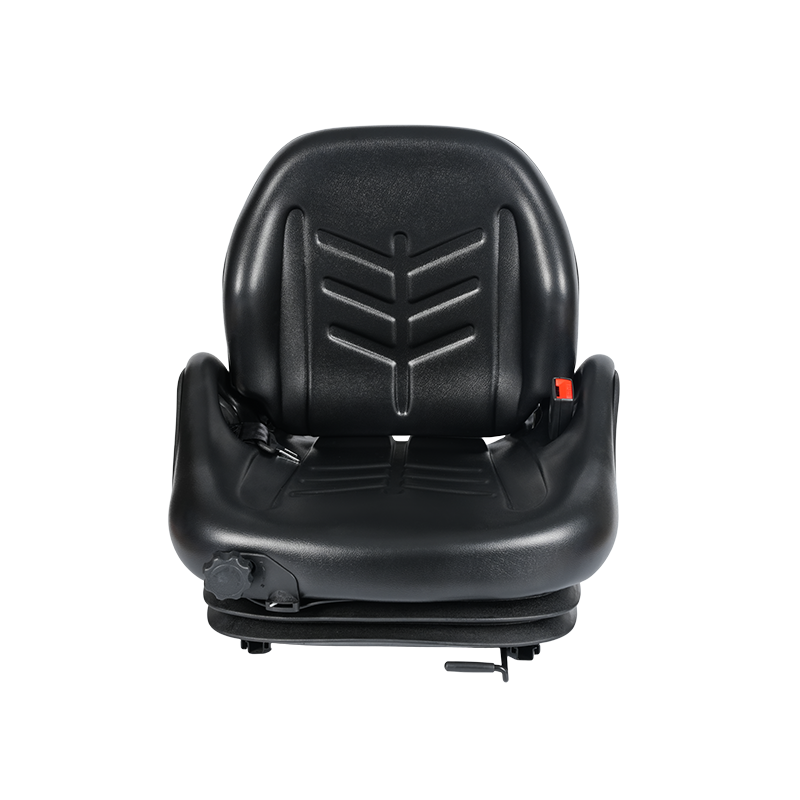
BF16 Low-Profile Vinyl Replacement Mechanical Suspension Seat for Material Handling Forklift Equipment - Black with EN 13490 IT1+IT2
-
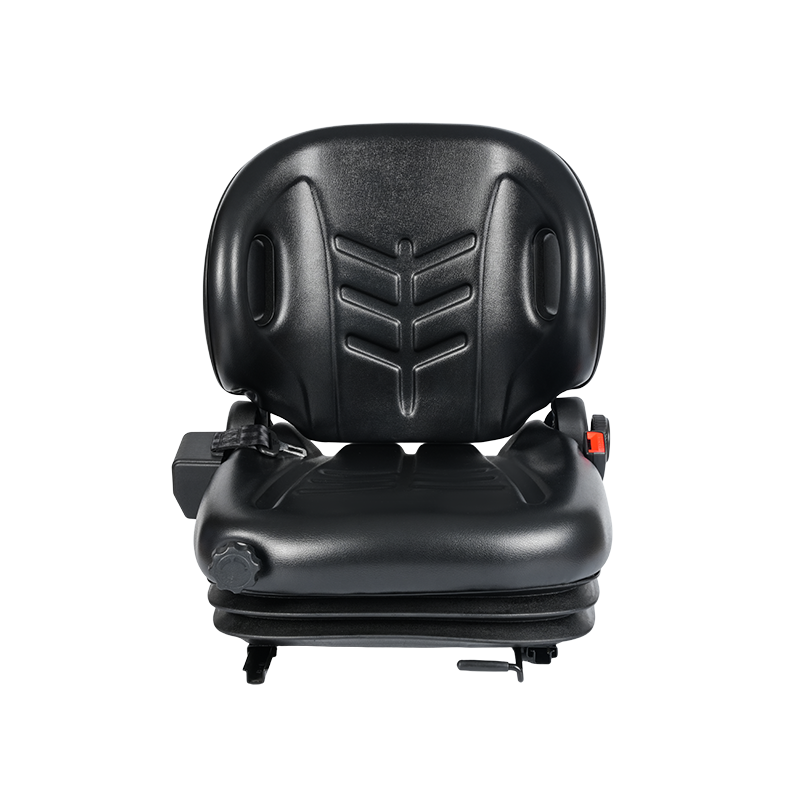
-
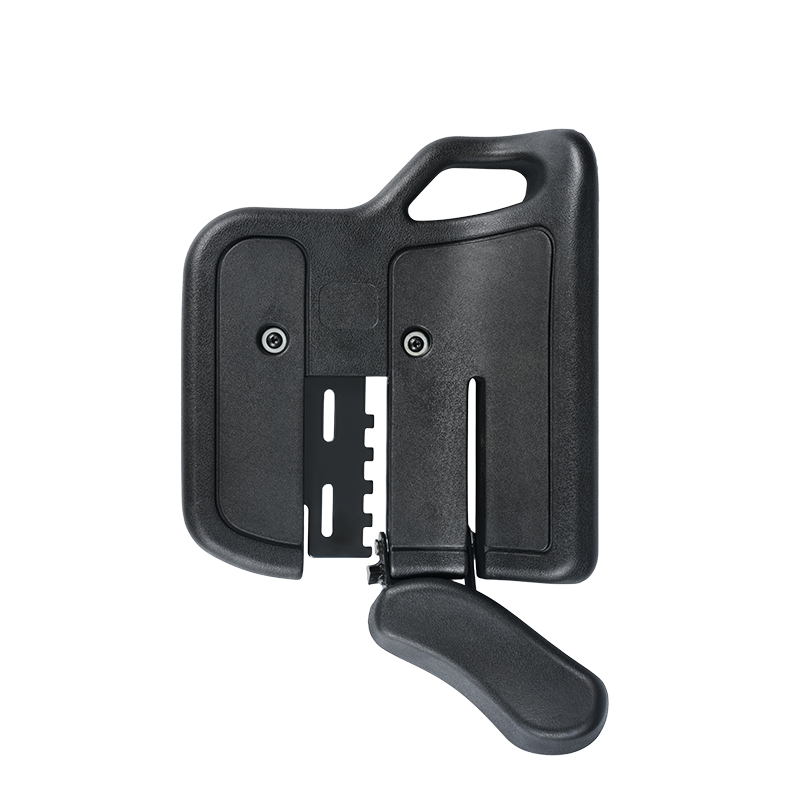
BF3 Single-Mold Polyurethane Eco-Friendly Seat with Vehicle-Contoured Design | Cost-Efficient Abrasion-Resistant Version for Stand-On Reach Forklifts
Copyright @ Hangzhou Benfeng Auto Seat Co., Ltd. All rights reserved Privacy OEM/ODM Ergonomic Industrial Seats Manufacturers
浙ICP备20022099号