
 中文简体
中文简体 English
 Français
 Español
 عربى
عربى-

(86)-0571-82550327
-

info@bfseats.com
-




Cleaning Equipment Seat Guide | Types, Materials, Features & Applications
Content
- 1 What Is a Cleaning Equipment Seat?
- 2 Why Cleaning Equipment Needs Specialized Seats
- 3 Types of Cleaning Equipment Seats
- 4 Key Materials Used in Cleaning Equipment Seats
- 5 Technical Specifications Explained
- 6 Suspension Seats vs. Standard Seats
- 7 Ergonomic Features and Operator Comfort
- 8 Real-World Applications and Scenarios
- 9 Common Misconceptions and Interesting Facts
- 10 Maintenance and Care Tips
- 11 Why Cleaning Equipment Seats Matter
- 12 Key Takeaway
- 13 Frequently Asked Questions
When you see a ride-on floor scrubber or an industrial sweeper gliding across a warehouse floor, the operator sitting atop it might seem like an afterthought. But the seat they occupy — the cleaning equipment seat — is a carefully engineered component designed for comfort, durability, and safety during long shifts. This guide explores what cleaning equipment seats are, the different types available, the materials used, and why they matter for both operator well-being and machine performance.
What Is a Cleaning Equipment Seat?
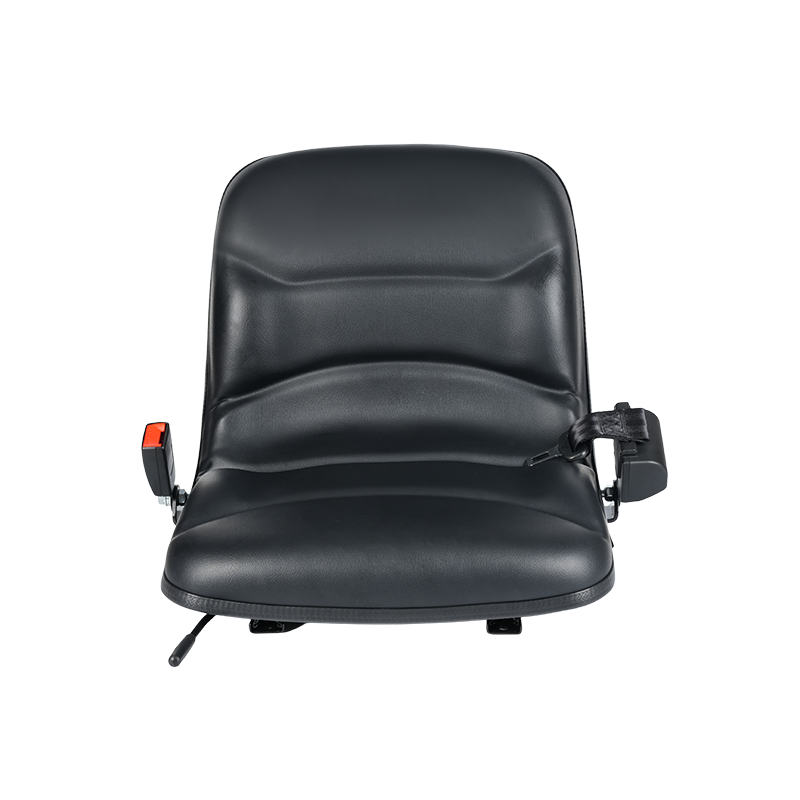
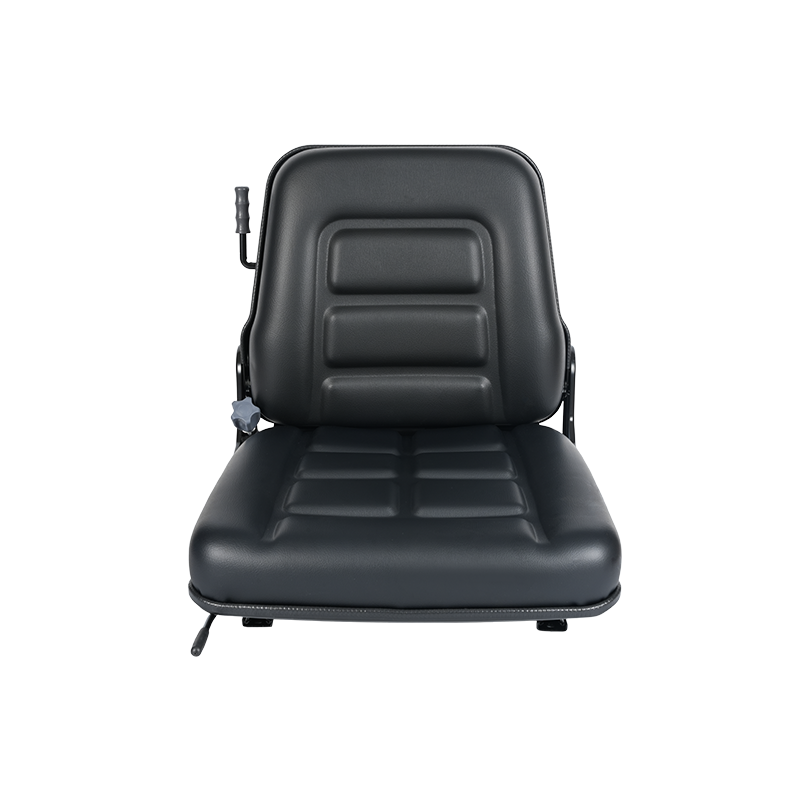
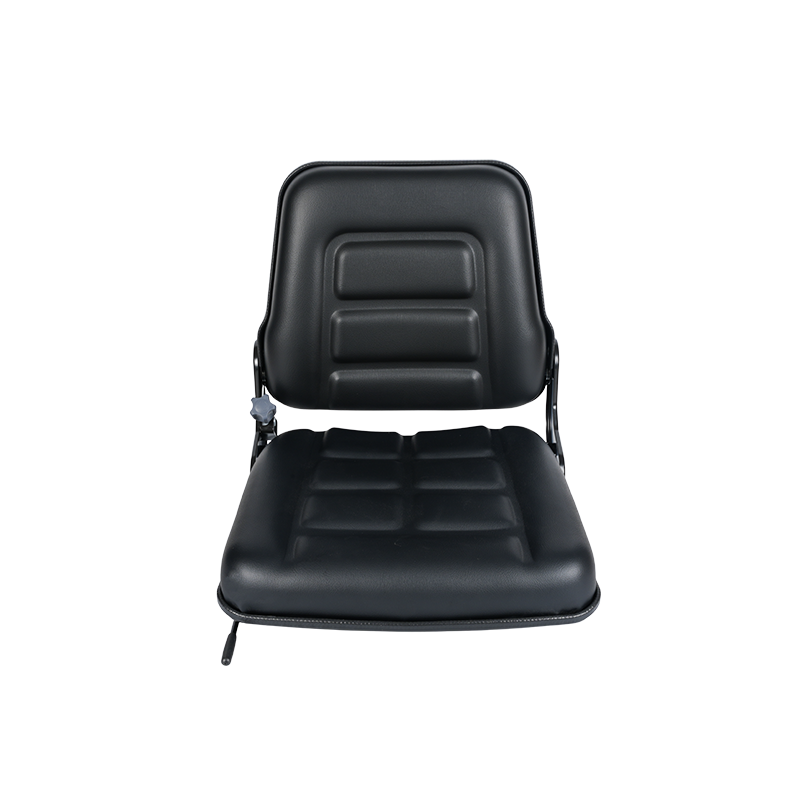
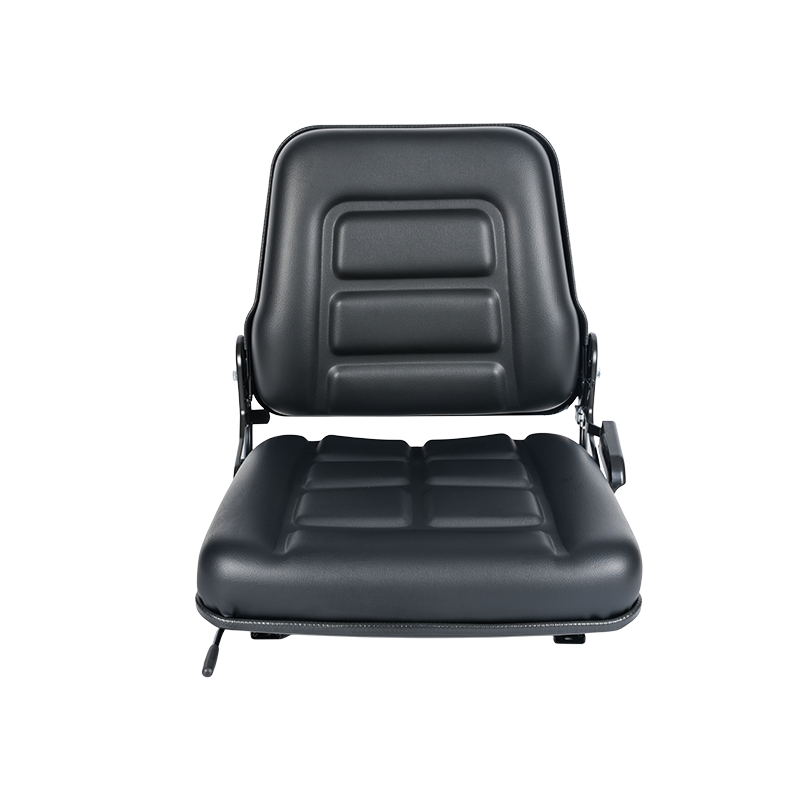
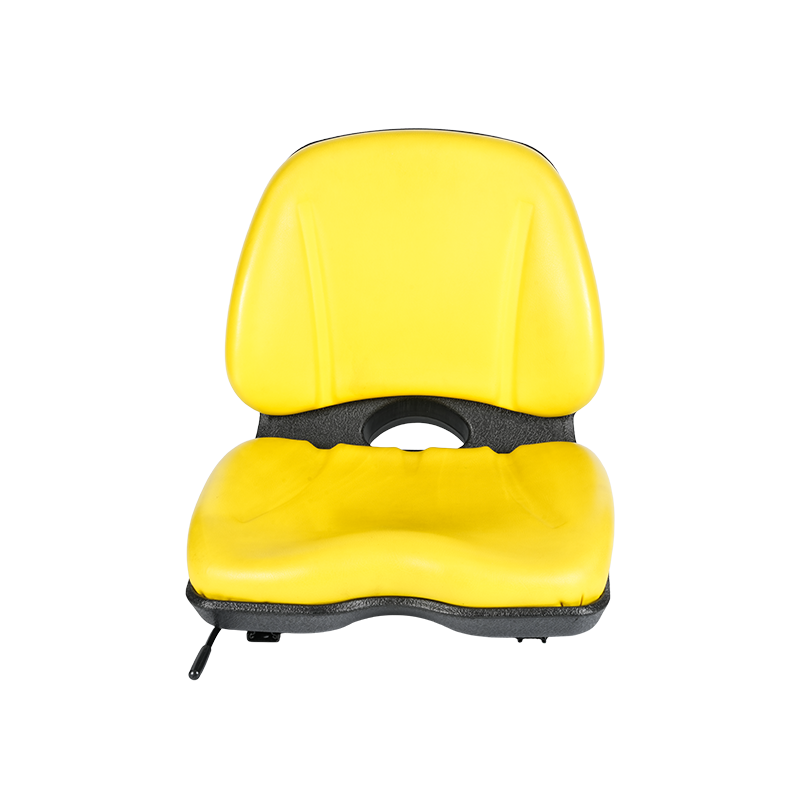
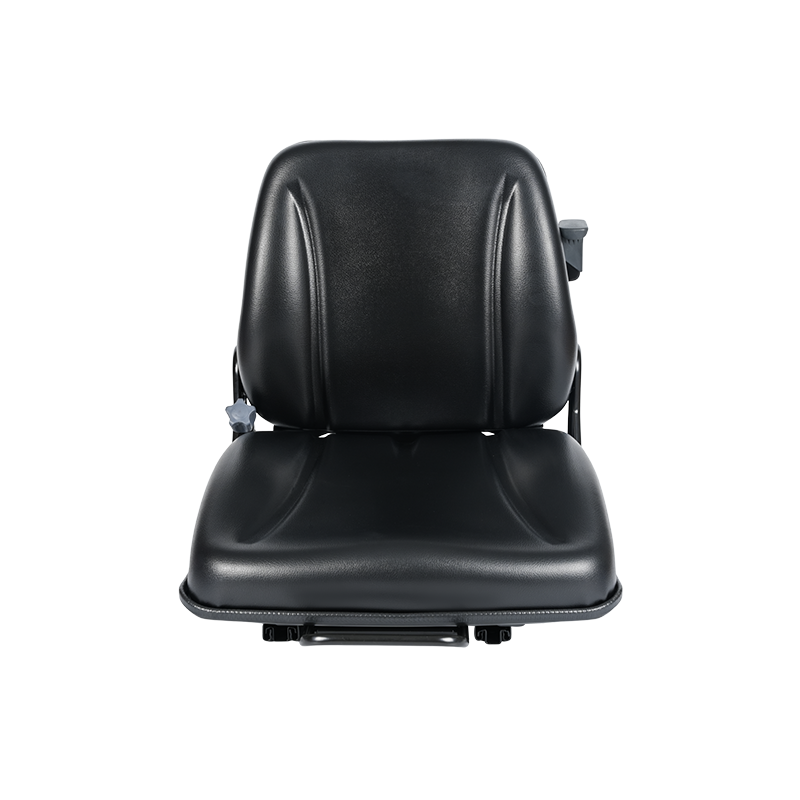
A cleaning equipment seat is a specialized seat designed for ride-on industrial and commercial cleaning machines. These include floor scrubbers, sweepers, carpet cleaners, pressure washers, and other equipment where the operator rides while performing cleaning tasks. Unlike standard vehicle seats, cleaning equipment seats are built to withstand harsh working environments — including moisture, chemicals, dirt, and constant vibration cleaning equipment seat.
These seats are mounted directly onto the cleaning machine's frame and often feature adjustable mechanisms, suspension systems, and durable upholstery. They are not just about comfort; they play a critical role in operator safety, fatigue reduction, and overall productivity.
Why Cleaning Equipment Needs Specialized Seats
Cleaning machines operate in demanding conditions that ordinary seats cannot handle. Here is why specialized seats are essential:
- Continuous Operation: Many cleaning machines run for 6 to 8 hours per shift. Operators need seats that support prolonged sitting without causing discomfort or fatigue.
- Vibration Exposure: Floor scrubbers and sweepers generate significant vibration from their brushes, motors, and travel over uneven surfaces. Good seats have vibration-damping systems to protect operators.
- Chemical and Moisture Exposure: Cleaning equipment operates with water, detergents, and sometimes harsh chemicals. Seats must resist degradation from these substances.
- Frequent Mounting and Dismounting: Operators get on and off the machine many times during a shift. Seats must be durable enough to handle this repeated use.
- Adjustability for Different Operators: The same machine may be used by different operators. Seats need to be easily adjustable to accommodate various body sizes and preferences.
Types of Cleaning Equipment Seats
Cleaning equipment seats come in several configurations to suit different machine types and applications:
| Type | Key Features | Typical Applications |
|---|---|---|
| Standard Fixed Seat | Simple, non-adjustable, basic padding, cost-effective | Small ride-on sweepers, light-duty scrubbers |
| Mechanical Suspension Seat | Spring or coil-based damping, adjustable, good vibration isolation | Medium to heavy-duty scrubbers, sweepers, and industrial machines |
| Air Suspension Seat | Pneumatic damping, excellent vibration isolation, fully adjustable, premium comfort | Large industrial sweepers, heavy-duty floor machines, long-shift applications |
| Low-Profile Seat | Thinner design, minimal padding, compact footprint | Low-clearance machines, compact scrubbers |
| Operator Presence Seat | Integrated sensor that detects operator presence; activates machine only when occupied | Safety-critical applications, automated guided cleaning systems |
Key Materials Used in Cleaning Equipment Seats
Durability and resistance to harsh environments depend heavily on the materials used. Here are the most common materials and their advantages:
| Material | Advantages | Common Uses |
|---|---|---|
| Vinyl (PVC) | Water-resistant, easy to clean, affordable, available in various colors | Most common upholstery; suitable for most cleaning applications |
| Polyurethane (PU) Leather | More durable than vinyl, better abrasion resistance, comfortable | Premium seats, high-use environments |
| Fabric (Polyester/Nylon) | Breathable, comfortable in warm conditions, often combined with vinyl side panels | Climate-controlled environments, indoor use |
| Powder-Coated Steel | Corrosion-resistant, strong base for mounting | Seat frames, mounting brackets |
| Aluminum | Lightweight, corrosion-resistant | High-end seats, weight-sensitive applications |
| High-Density Foam | Excellent support, retains shape, resists compression | Seat cushioning |
Technical Specifications Explained
When selecting a cleaning equipment seat, these specifications are important to understand:
| Specification | Plain-Language Meaning |
|---|---|
| Weight Capacity (kg/lbs) | The maximum operator weight the seat can safely support. Typically ranges from 100kg to 180kg. |
| Width and Depth (mm) | Seat dimensions; wider and deeper seats offer more comfort for larger operators. |
| Height Adjustment Range (mm) | How much the seat height can be adjusted to suit different operators. |
| Suspension Travel (mm) | The distance the seat moves to absorb shocks. More travel = better vibration isolation. |
| Mounting Bolt Pattern | The spacing and size of bolts used to attach the seat to the machine. Standard patterns ensure compatibility. |
| Upholstery Type | Surface material — vinyl, PU, or fabric — which determines water resistance, durability, and comfort. |
Suspension Seats vs. Standard Seats
The presence of a suspension system is one of the biggest differentiators in cleaning equipment seats. Here is how they compare:
| Aspect | Suspension Seat | Standard (Non-Suspension) Seat |
|---|---|---|
| Vibration Damping | Excellent — reduces whole-body vibration by up to 70% | Minimal to none |
| Operator Comfort | High — reduces fatigue during long shifts | Moderate — suitable for short shifts |
| Cost | Higher — more complex construction | Lower — simpler design |
| Maintenance | Requires periodic checks and occasional repairs | Minimal maintenance |
| Best For | Full-shift operation, rough surfaces, heavy machines | Light use, smooth surfaces, small machines |
| Types | Mechanical (spring) or air (pneumatic) | Fixed base, no moving parts |
Ergonomic Features and Operator Comfort
Modern cleaning equipment seats incorporate several ergonomic features to protect operator health and improve productivity:
- Adjustable Lumbar Support: Provides lower back support, reducing the risk of back pain during long shifts.
- Seat Angle Tilt: Allows the seat to tilt forward or backward, helping operators find their optimal sitting position.
- Weight Adjustment: On suspension seats, a knob allows the operator to calibrate the suspension to their weight, ensuring optimal damping.
- Armrests (Optional): Provide additional support and reduce shoulder strain, especially on machines with side-mounted controls.
- Fore-Aft Adjustment: Allows sliding the seat forward or backward to reach controls comfortably.
- Contoured Cushion Design: Distributes pressure evenly, reducing pressure points and improving circulation.
Real-World Applications and Scenarios
Cleaning equipment seats are used across a wide range of industries and applications:
Warehouse and Logistics Centers
Large warehouses use ride-on floor scrubbers and sweepers to maintain clean, safe floors. Operators spend hours driving these machines across vast concrete floors. Suspension seats with good vibration damping are essential here to prevent operator fatigue.
Retail and Commercial Spaces
Shopping malls, supermarkets, and convention centers use smaller ride-on scrubbers. These machines often operate during off-hours, and operators may work multiple shifts. Comfortable, adjustable seats help maintain productivity.
Industrial Manufacturing Facilities
Factories and plants with heavy machinery and rough floors require robust cleaning equipment. Seats with metal frames, durable vinyl upholstery, and heavy-duty suspension systems are common in these environments cleaning equipment seat.
Airports and Transportation Hubs
Large terminals require continuous cleaning. Ride-on sweepers and scrubbers operate around the clock. Seats must be comfortable for extended shifts and durable enough to handle high-frequency use.
Outdoor and Municipal Applications
Street sweepers and outdoor cleaning machines face harsh conditions: rain, dust, and temperature extremes. Seats used in these applications often feature weather-resistant upholstery and corrosion-resistant frames cleaning equipment seat.
Common Misconceptions and Interesting Facts
Misconception 1: Any seat can be used on a cleaning machine.
Reality: Cleaning machine seats are specifically designed for the vibration, moisture, and chemical exposure typical in these environments. A standard seat would quickly degrade and fail to provide adequate support.
Misconception 2: Suspension seats are only for large machines.
Reality: While suspension seats are common on large equipment, they are also available for compact machines. Many manufacturers offer suspension options for mid-sized scrubbers and sweepers.
Interesting Fact: Seat design impacts productivity.
Studies have shown that comfortable, well-designed seats can increase operator productivity by up to 15% by reducing fatigue and the need for breaks.
Interesting Fact: Cleaning equipment seats must meet safety standards.
Seats used on industrial cleaning equipment often need to comply with standards such as ISO 5353 (for seat index point) and EN 13059 (for vibration assessment), ensuring they meet minimum safety and ergonomic requirements.
Maintenance and Care Tips
Proper maintenance extends the life of a cleaning equipment seat. Here are practical tips:
- Regular Cleaning: Wipe down the upholstery with a mild detergent and water after each shift. Avoid harsh chemicals that can damage vinyl or PU leather.
- Check Mounting Bolts: Periodically check and tighten all mounting bolts to prevent seat movement or wobbling.
- Inspect Suspension Components: For suspension seats, check for signs of wear or leaking (in air suspension models). Replace worn components promptly.
- Lubricate Moving Parts: Apply appropriate lubricant to slides and adjustment mechanisms as recommended by the manufacturer.
- Protect from Extreme Temperatures: Avoid leaving machines in extreme heat or cold for extended periods, as this can degrade upholstery and foam.
- Replace Worn Cushions: If the foam has compressed significantly or the upholstery is torn, replace the seat or cushion to maintain comfort and support.
Why Cleaning Equipment Seats Matter
The cleaning equipment seat is far more than a simple place to sit. It is a critical component that directly affects operator health, safety, and productivity. Poorly designed or worn-out seats lead to fatigue, back pain, and reduced concentration — all of which can lead to accidents and lower cleaning quality.
Investing in quality seats with proper suspension, adjustability, and durable materials pays dividends in operator satisfaction, reduced absenteeism, and longer equipment life. As cleaning equipment becomes more sophisticated, seats are evolving too — with better ergonomics, improved materials, and even integrated sensors for safety and monitoring.
Key Takeaway
The cleaning equipment seat is an essential part of any ride-on cleaning machine. Designed to withstand harsh working environments while providing comfort and support for operators, these seats come in various types — from standard fixed seats to advanced air suspension models. Understanding the materials, features, and maintenance requirements helps ensure you choose the right seat for your application and keep operators comfortable, safe, and productive.
Frequently Asked Questions
What is a cleaning equipment seat?
A cleaning equipment seat is a specialized seat designed for ride-on industrial and commercial cleaning machines such as floor scrubbers, sweepers, and carpet cleaners. It is built to withstand moisture, chemicals, vibration, and extended use.
What types of cleaning equipment have seats?
Ride-on floor scrubbers, sweepers, carpet cleaners, pressure washers, and some industrial vacuum cleaners. These machines allow operators to ride while performing cleaning tasks.
What are cleaning equipment seats made of?
Common materials include vinyl (PVC), polyurethane (PU) leather, and fabric upholstery; high-density foam for cushioning; and powder-coated steel or aluminum for the frame. Each material is chosen for durability, resistance to chemicals and moisture, and comfort.
What is the difference between a suspension seat and a standard seat?
A suspension seat has a built-in damping system (mechanical spring or air piston) that absorbs vibration and shocks, improving operator comfort during long shifts. A standard seat lacks this feature and is suitable for short-duration or low-vibration applications.
How do you adjust a cleaning equipment seat?
Most seats offer height adjustment via a lever, fore-aft sliding via a rail mechanism, and tilt adjustment. Suspension seats also have a weight adjustment knob to calibrate the suspension to the operator's weight.
How often should cleaning equipment seats be replaced?
Seats typically last 3 to 5 years with regular use, depending on wear and maintenance. Replace the seat if the upholstery is torn, the foam is compressed, or the suspension no longer provides adequate support.
How do you clean a cleaning equipment seat?
Use a mild detergent diluted in water, apply with a soft cloth or sponge, and wipe dry. Avoid abrasive cleaners, solvents, or excessive water. For fabric seats, use a fabric cleaner suitable for automotive upholstery.
Copyright @ Hangzhou Benfeng Auto Seat Co., Ltd. All rights reserved Privacy OEM/ODM Ergonomic Industrial Seats Manufacturers
浙ICP备20022099号