
 中文简体
中文简体 English
 Français
 Español
 عربى
عربى-

(86)-0571-82550327
-

info@bfseats.com
-




Are safety belts required on forklifts?
Content
- 1 Understanding Forklift Seat Belt Requirements
- 2 Why Are Seat Belts Required on Forklifts?
- 3 Forklift Tip-Overs and Seat Belt Safety
- 4 Employee Responsibilities for Forklift Safety
- 5 Frequently Asked Questions
- 5.1 Are safety belts required on forklifts in warehouses?
- 5.2 Are forklift safety belts mandatory on construction sites?
- 5.3 Can I operate a forklift without a safety belt if it doesn’t come with one?
- 5.4 What should I do if my forklift safety belt is broken?
- 5.5 How often should forklift safety belts be inspected or replaced?
- 6 Conclusion
Forklift safety belts are one of the most important safety features every operator must use. If you’ve ever wondered “are safety belts required on forklifts?”, the short answer is yes—OSHA and ANSI standards make them mandatory. In this guide, we’ll break down forklift safety belt requirements, OSHA regulations, common forklift tip-over risks, and what both employers and operators need to know. Stay with us to learn why wearing a forklift safety belt is not optional but life-saving.
Understanding Forklift Seat Belt Requirements
Are Seat Belts Legally Required on Forklifts?
Yes, forklift safety belts are legally required. OSHA doesn’t publish a single “safety belt law,” but it enforces rules through several pathways. It expects employers to keep workers safe from known hazards. A tipping forklift is one of those hazards.
-
OSHA’s stance: Employers must ensure operators use a restraint system, such as a safety belt, to avoid crushing injuries.
-
ANSI/ASME standards: These standards go further and state directly that powered industrial trucks must be equipped with operator restraints. OSHA leans on these standards when inspecting workplaces.
A forklift is not a car. Car belts protect you from high-speed collisions. Forklift belts keep you in the cab during a tip-over, preventing you from jumping and being pinned.
| Seat Belts in Cars | Seat Belts in Forklifts |
|---|---|
| Designed for crashes at higher speeds | Designed to prevent ejection in a tip-over |
| Airbags work together with belts | Overhead guard + safety belt keep operator safe |
| Main hazard: collision impact | Main hazard: crushing from overturned forklift |
Do All Forklifts Have Seat Belts?
Not every forklift has one. Seat belts became an industry standard only in the early 1990s.
-
After 1992: All forklifts built in the U.S. came with a belt installed.
-
Before 1992: Many older trucks lack belts or proper operator restraint systems. They are still in use in some warehouses.
So what if you operate an older model? Two options exist:
-
Retrofit safety belt kits – Many manufacturers sell model-specific kits. Installing them may involve altering the seat, hood, or latch system.
-
Replace the forklift – Safer long-term choice if retrofitting is not possible.
Employers who ignore retrofit options risk citations under OSHA’s General Duty Clause, even if the forklift predates 1992.
Why Are Seat Belts Required on Forklifts?
The Importance of Forklift Seat Belts
Seat belts are not optional. They are life-saving equipment. Unlike cars, forklifts don’t drive fast, but they tip over easily. A forklift can weigh 9,000 lbs. That’s about three times heavier than a typical car. If it falls, the operator has almost no chance of escaping unharmed without a safety belt.
Key roles of forklift safety belts:
-
Prevent ejection → keeps the operator inside the protective cage.
-
Reduce crushing risk → avoids “mousetrapping” (being pinned under the machine).
-
Encourage safe driving → operators drive more carefully when belted in.
What Happens If a Forklift Operator Doesn’t Wear a Seat Belt?
The instinct to jump out during a tip-over often kills. Most operators think they can jump clear. They can’t. The forklift falls faster than a person can react.
| Scenario | Possible Outcome |
|---|---|
| Forklift tips and operator jumps | Operator crushed by falling machine |
| Operator unbelted during collision | Thrown from seat, injured by impact |
| OSHA inspection finds violations | Employer fined, operator disciplined |
How Seat Belts Protect Operators During a Tip-Over
OSHA teaches operators to stay inside the cab if a forklift tips:
-
Grip the steering wheel firmly.
-
Press feet hard into the floor.
-
Lean away from the point of impact.
-
Let the safety belt hold the body in place.
Without a safety belt, all these steps fail because the operator is ejected.
Forklift Tip-Overs and Seat Belt Safety
What Causes Forklifts to Tip Over?
Forklifts look solid, but their center of gravity is small. A heavy load or sharp turn can throw everything off balance. Even a small mistake may cause a tip-over.
Common causes include:
-
Carrying loads heavier than the rated limit.
-
Raising the mast too high while moving.
-
Driving too fast around corners.
-
Sudden braking or acceleration.
-
Operating on slopes or uneven ground.
-
Turning with a load tilted forward.
| Cause | Risk Level | Example |
|---|---|---|
| Overloading | Very High | Operator lifts 6,000 lbs. on a 5,000 lbs. forklift |
| Sharp turn | High | Forklift tips while turning with raised load |
| Ramp driving | High | Operator lowers/raises load on steep slope |
| Sudden brake | Medium | Braking fast shifts weight forward |
| Tilted mast | Medium | Load not secured, forklift destabilized |
Why Do Tip-Over Fatalities Occur?
The sad truth: most deaths happen because operators try to jump out. It’s human instinct, but the wrong move.
-
When a forklift tips, the heavy cage follows quickly.
-
The operator exits on the same side the machine is falling.
-
The result: crushing injuries, often fatal.
OSHA reports show:
-
Half of forklift deaths come from tip-overs.
-
Most victims weren’t wearing safety belts.
Staying in the seat is always safer. The overhead guard and safety belt work together to form a survival zone.
What to Do During a Forklift Tip-Over
If the forklift starts to fall, remember this 3-step rule:
-
Hold on tight → grip the steering wheel with both hands.
-
Brace your body → push both feet into the floor.
-
Lean away from impact → shift your upper body opposite the falling side.
Seat belts ensure the operator stays inside the cab long enough to use these protective actions. Without one, the chance of survival drops dramatically.
Employee Responsibilities for Forklift Safety
What Must Forklift Operators Do?
Forklift operators share responsibility for safety. Even if the employer provides the tools, it’s the worker’s job to use them correctly. OSHA expects operators to take personal responsibility every time they step into the cab.
Operator responsibilities include:
-
Wear the safety belt properly every time the forklift moves.
-
Attend required training sessions on safe forklift operation.
-
Follow company safety policies without exceptions.
-
Check the machine before use (look at the belt, check if it latches).
-
Report damage immediately if the belt is cut, frayed, or not working.
A safety belt only works if the operator buckles it.
What Happens if an Operator Refuses to Wear a Seat Belt?
Skipping the safety belt isn’t just unsafe—it can cost a worker their job. Employers are required to enforce safety. That means they can discipline or even fire an operator who refuses to comply.
Possible outcomes if a safety belt is ignored:
-
Verbal or written warnings from the supervisor.
-
Suspension for repeated violations.
-
Termination of employment if non-compliance continues.
Why Operators Must Take Seat Belts Seriously
Seat belts aren’t there for show. They protect lives. Every year, about 40 operators die in tip-overs. Many of them thought they could jump clear. Almost all were wrong.
For operators, wearing the belt means:
-
Staying inside the safety cage.
-
Reducing the chance of severe injury.
-
Showing OSHA inspectors that safety rules are being followed.
-
Protecting coworkers and pedestrians from accidents caused by loss of control.
Frequently Asked Questions
Are safety belts required on forklifts in warehouses?
Yes. OSHA applies safety belt requirements anywhere forklifts operate, including warehouses. Even at low speeds, forklifts can tip. Operators must wear belts every time.
Are forklift safety belts mandatory on construction sites?
Absolutely. Construction sites often involve uneven ground, slopes, and heavy loads. These conditions raise the risk of tip-overs. OSHA expects safety belts to be worn at all times.
Can I operate a forklift without a safety belt if it doesn’t come with one?
Not safely. Even if no belt exists, OSHA can still cite the employer under the General Duty Clause. The safest move is to add a retrofit kit or retire the forklift.
What should I do if my forklift safety belt is broken?
Stop using it. Report the issue to your supervisor immediately. Employers are required to replace damaged PPE, including safety belts, before the forklift is used again.
How often should forklift safety belts be inspected or replaced?
Belts should be checked daily as part of pre-shift inspections. If frayed, cut, or not latching, they must be replaced immediately. There’s no set “expiration date,” but regular checks keep operators safe.
Conclusion
Wearing a forklift safety belt isn’t just about adhering to OSHA regulations—it’s fundamentally about ensuring your survival in the event of an accident. Tip-overs are a leading cause of forklift-related fatalities, and wearing a safety belt is one of the simplest yet most effective measures that can keep operators securely within the safe confines of the vehicle.
When you next operate a forklift, consider the question: would you risk incurring thousands of dollars in fines and jeopardize your own safety by skipping the simple act of fastening your safety belt? At Hangzhou Benfeng Auto Seat Co., Ltd., we believe in equipping forklift operators with the highest quality safety belts that not only meet but exceed safety standards. Our commitment to safety and comfort is reflected in every safety belt we produce, designed to provide maximum protection while ensuring ease of use.
-
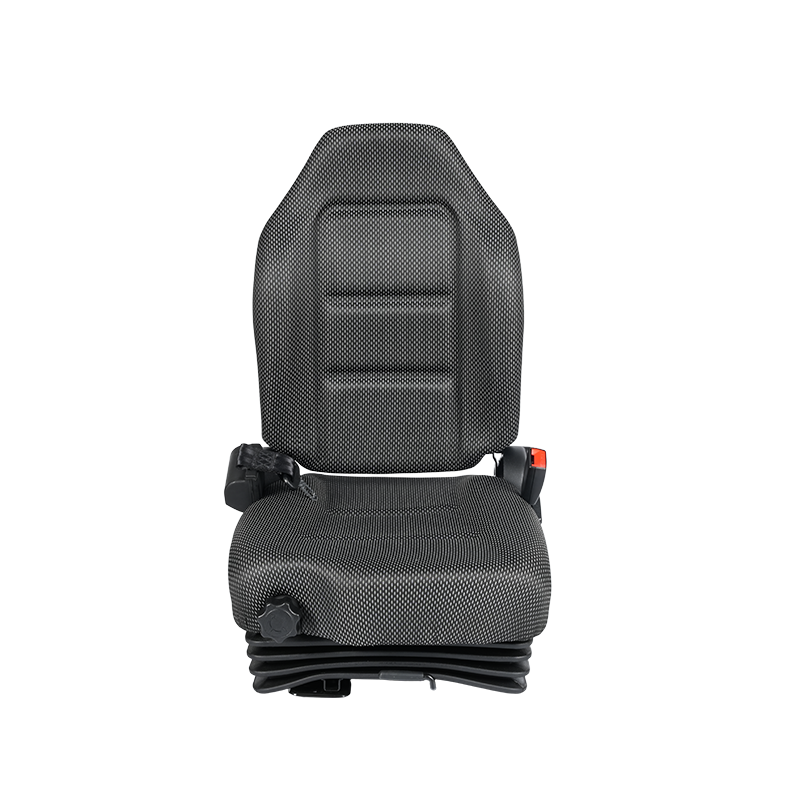
BF6-3 EN 13490 IT1 certified reach truck seat with retractable safety belt & shock absorption&OPS (Operator Presence Switch) for lithium battery forklifts Compatible with Hyster,Jungheinrich
-
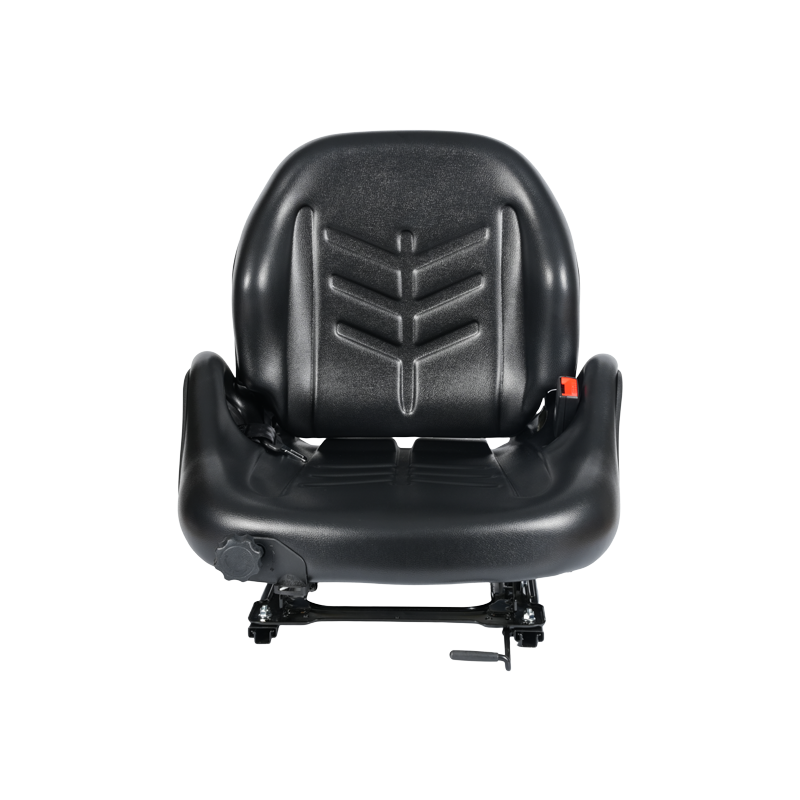
BF5-3 EN 13490 IT1+IT2 Certified Suspension Seat with safety belt & OPS (Operator Presence Switch) | Wide-Operator Design Compatible with Hangcha, Nissan, TCM, Mitsubishi Forklifts
-
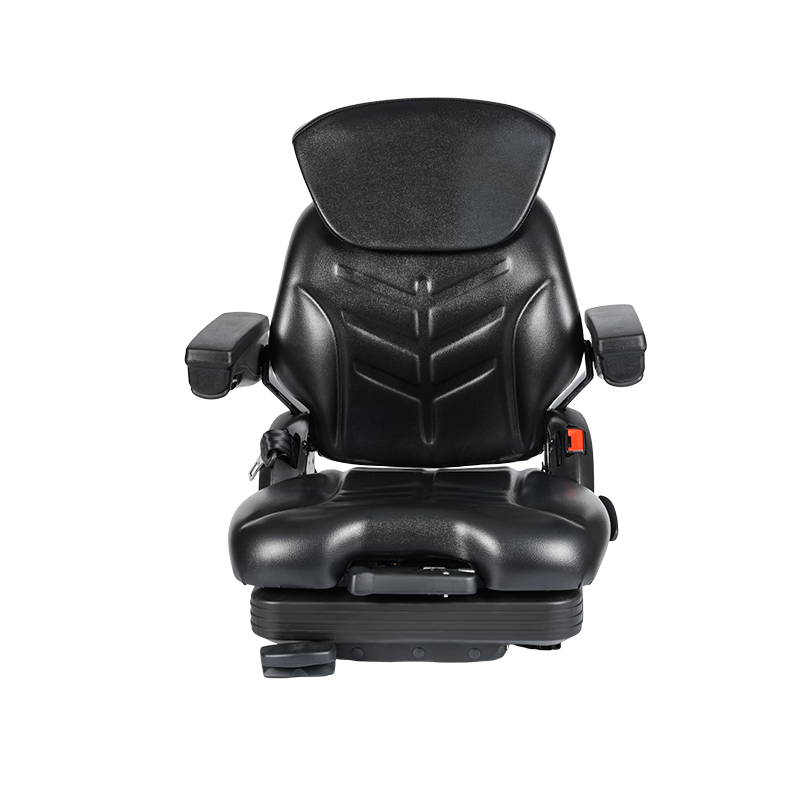
BF16MCD EN 13490 IT1+IT2 & ISO 7096 Dual-Certified Low-Profile Mechanical Suspension Seat Integrated safety belt and OPS (Operator Presence Switch)
-
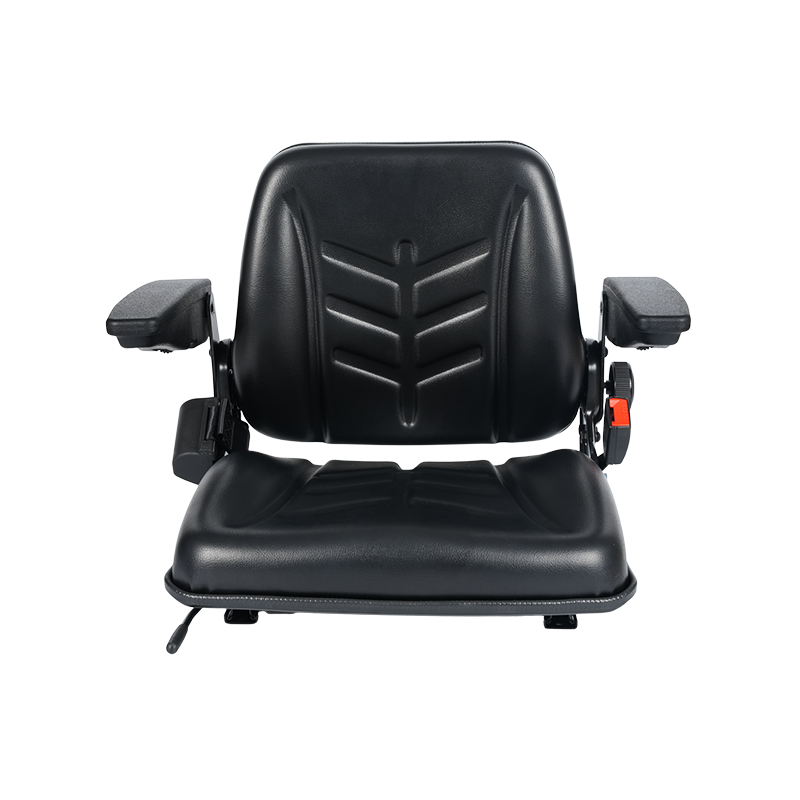
BF8-2ABCD Comfortable Safety Economical Forklift Seat for Internal combustion forklifts with Seat Belt
-
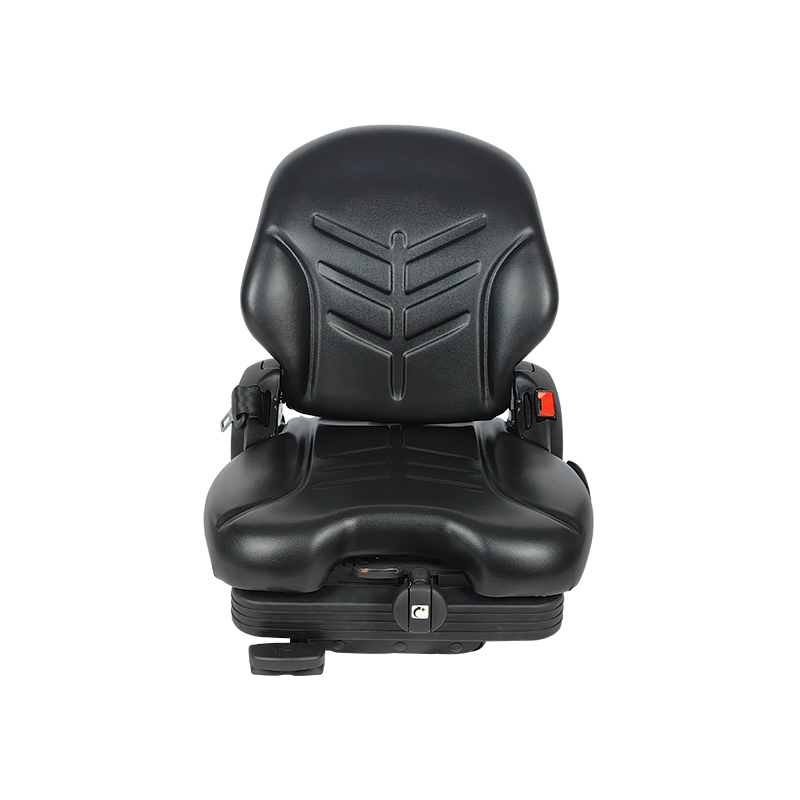
BF16M High-End Stepless Damping Forklift Seat, Full Suspension Adjustable Travel Modular Ergonomic Seat
Copyright @ Hangzhou Benfeng Auto Seat Co., Ltd. All rights reserved Privacy OEM/ODM Ergonomic Industrial Seats Manufacturers
浙ICP备20022099号